Murph Workout Guide: Full Story, Training Plan, Nutrition Strategy & Complete Beginner-to-Advanced Guide
By Artemis_strength•May 27, 2026•8 min read
Murph Workout Guide: Full Story, Training Plan, Nutrition Strategy & Complete Beginner-to-Advanced Guide
Disclaimer: This article is for informational and educational purposes only. The Murph workout is an extremely demanding physical challenge. Before beginning any new training regimen, especially one involving high-volume calisthenics and endurance running, consult your physician. The advice in this guide does not replace personalized coaching or medical clearance. Push yourself, but respect your body’s limits.
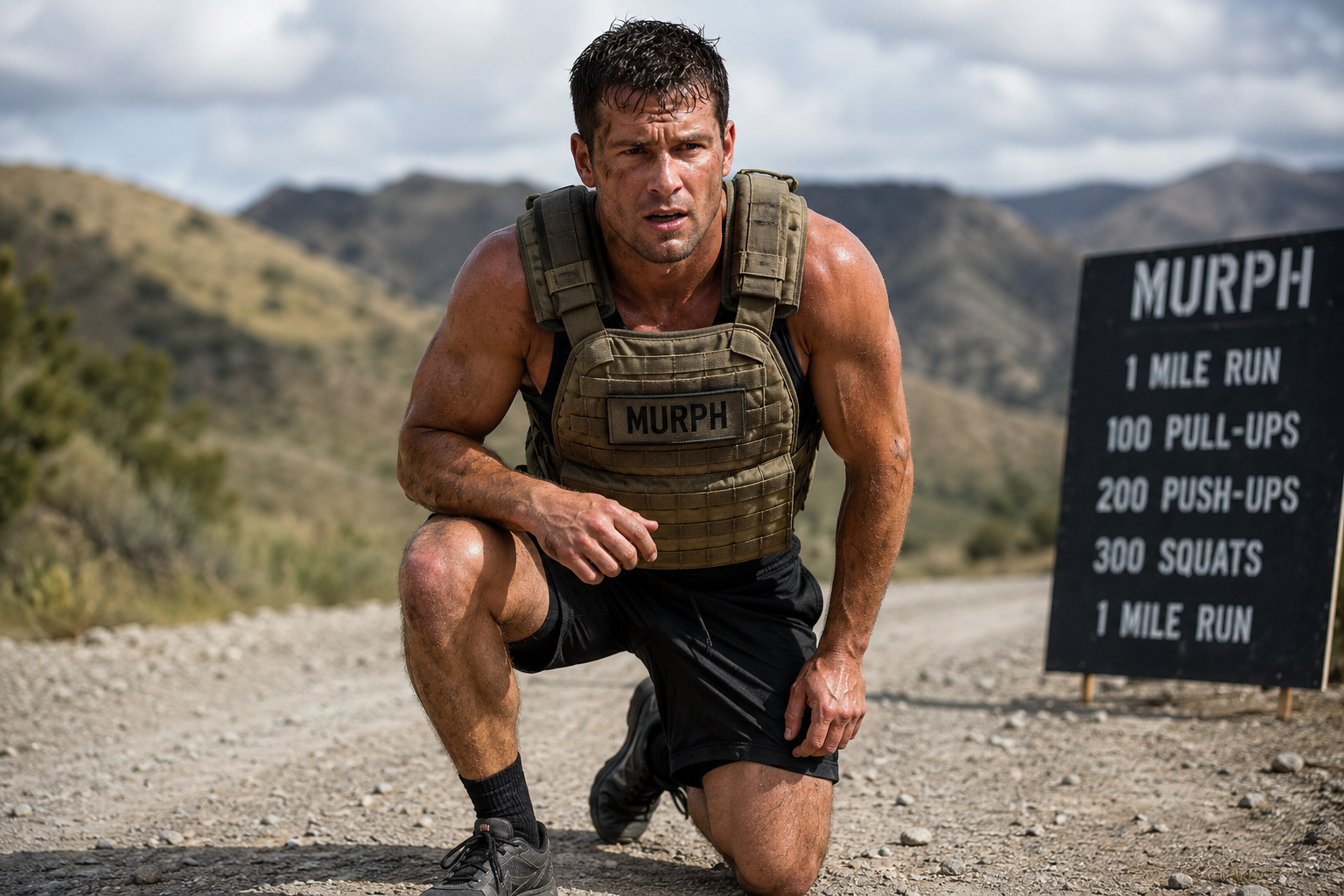
Every Memorial Day, tens of thousands of athletes around the world step onto a pull-up bar, drop to the ground for push-ups, and lace up their running shoes for a workout that transcends fitness. The Murph is not merely a grueling combination of a 1-mile run, 100 pull-ups, 200 push-ups, 300 squats, and another 1-mile run. It is a tribute. A ritual. A shared suffering that binds communities together in memory of Navy SEAL Lieutenant Michael P. Murphy, who gave his life for his team in Afghanistan in 2005. Understanding this workout requires understanding the man, the mission, and the mindset behind it—and that’s exactly where we’ll begin.
As a coach who has prepared hundreds of athletes for Hero WODs, I know that the Murph is as dangerous as it is revered when approached without respect. Rhabdomyolysis, severe muscle damage from unaccustomed high-volume eccentrics, and heat injury are real risks. But with proper preparation, scaling, nutrition, and recovery, completing the Murph can be one of the most empowering experiences of your training career. This guide is your complete roadmap—from the battlefields of Afghanistan to your garage gym, from your first scaled attempt to a fully vested personal record. We’ll cover training plans for every level, macronutrient timing to fuel and repair, and the mental tools to push when your body wants to quit.
The Story Behind the Workout: Who Was LT Michael P. Murphy?
On June 28, 2005, Lieutenant Michael P. Murphy led a four-man SEAL reconnaissance team in the mountains of Kunar Province, Afghanistan, during Operation Red Wings. They were discovered by local goat herders, and shortly after, the team was ambushed by an overwhelming Taliban force. Severely wounded, Murphy moved into an exposed position under direct fire to transmit a call for assistance, a selfless act that earned him the Medal of Honor posthumously. He was killed that day, along with two teammates, Danny Dietz and Matthew Axelson. Only Marcus Luttrell survived.
Murphy was an avid fitness enthusiast and his favorite workout—later posted to CrossFit’s main site as “Body Armor,” and then renamed “Murph” in his honor—became a global Memorial Day tradition. The workout is designed to reflect his incredible physical and mental toughness. The weighted vest, a later addition to the official Hero WOD, symbolizes the body armor worn by the SEAL team during the operation. Doing it “for time” with a 20 lb (men) or 14 lb (women) vest is considered the full expression of the challenge. But make no mistake: the workout is meant to be accessible and scalable to all. The real tribute is effort, not load.
The Murph Workout: Complete Breakdown
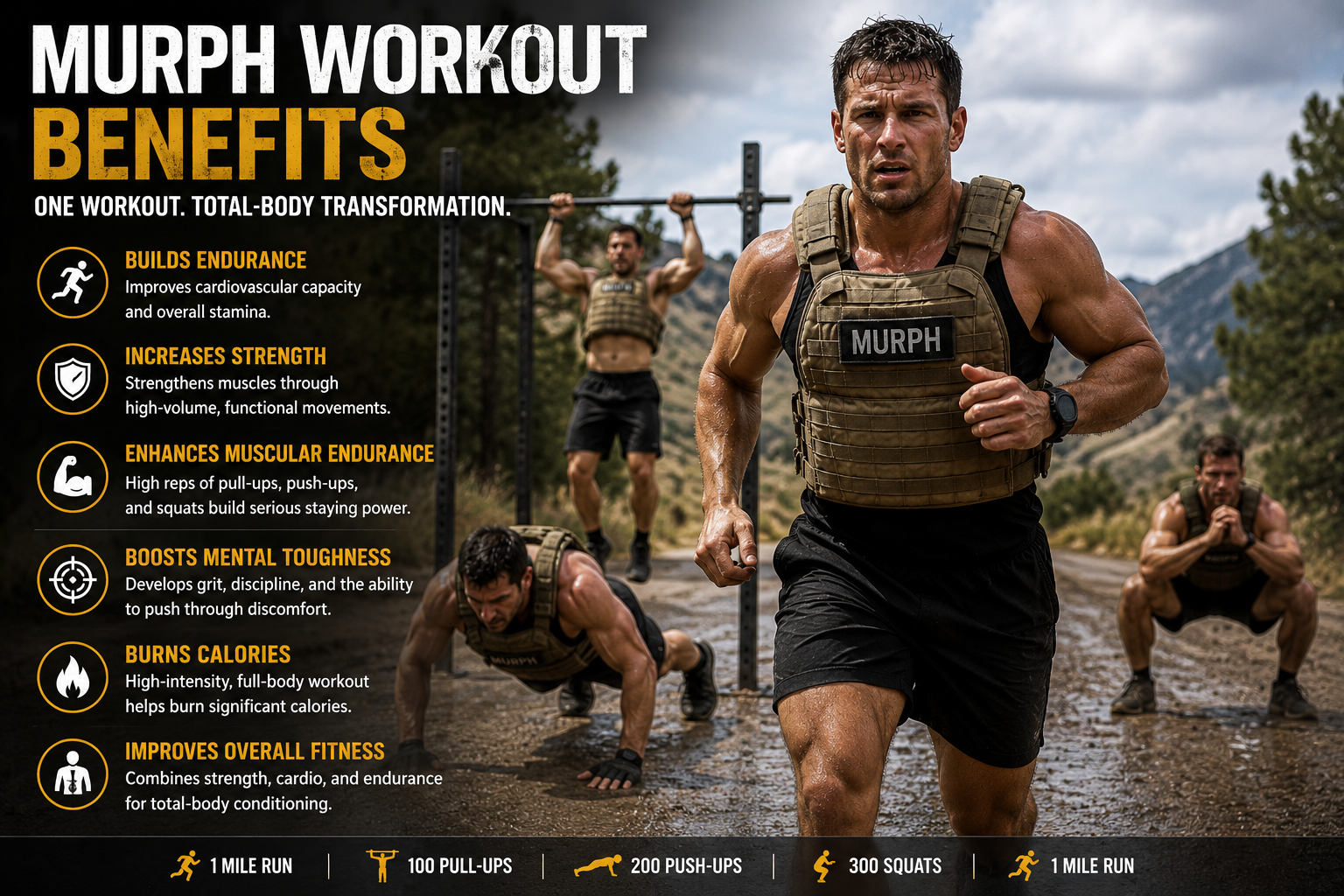
The Murph Hero WOD is performed for time. The standard version is:
- 1-mile run
- 100 pull-ups
- 200 push-ups
- 300 squats
- 1-mile run
Wear a 20 lb (14 lb for women) weighted vest if you have one. Repartitioning the pull-ups, push-ups, and squats into rounds is permitted and common—for example, 20 rounds of 5 pull-ups, 10 push-ups, 15 squats (a “Cindy” partition), or any split that maintains the total reps. Partitioning can keep you moving and reduce local muscle failure. Many athletes do the pull-ups and push-ups in small sets to manage fatigue.
Why the Murph Builds Elite Fitness: The Physiology
The Murph combines high-volume calisthenics with cardiovascular endurance, creating a massive metabolic demand. The first mile primes your aerobic engine and elevates heart rate. The pull-ups, push-ups, and squats form a massive bodyweight resistance circuit that taxes the upper back, chest, arms, core, and legs repeatedly for hundreds of reps. The final mile after the muscular fatigue is a mental crucible. Physiologically, this workout forces your body to buffer lactate, maintain blood pH, and sustain force output in the face of progressive muscular failure. It targets VO2 max, muscular endurance, and resilience. The eccentric loading of push-ups and squats (lowering phase) is what causes significant muscle damage—and why untrained athletes are at risk for rhabdomyolysis. [1]
Training Plan: 8-Week Murph Preparation for All Levels
Treat the Murph like any major athletic event: prepare specifically for it. The following plan is periodized to build volume tolerance, strength endurance, and running conditioning progressively. Adjust based on your starting point. If you cannot yet do 5 strict pull-ups or run a mile continuously, begin with the beginner scaling options and focus on building a foundation.
| Week | Focus | Pull-Up Volume (weekly total) | Push-Up/Squat Volume | Running |
|---|---|---|---|---|
| 1-2 | Volume adaptation | 50-70 reps (bands/assisted ok) | 100 push-ups, 150 squats | 2 x 1 mile at easy pace |
| 3-4 | Volume increase | 80-100 reps | 150 push-ups, 200 squats | 2 x 1 mile, one faster |
| 5-6 | Murph simulation (scaled) | Full 100 reps (partitioned, light vest) | 200 push-ups, 300 squats | 1 mile before and after mini-Murph |
| 7 | Intensity peak | Weighted pull-ups, vest runs | 2/3 volume in one session with vest | Interval runs + long run |
| 8 | Taper and recovery | 30-50 reps easy | 50/100/150 total | 1 easy mile mid-week |
During the plan, include two dedicated Murph-specific sessions per week. One day focuses on calisthenics volume (partitioned as “Cindy” rounds or other splits), and the other incorporates running with bodyweight movements. Gradually introduce the vest for portions of the workout. By week 6, you should be able to complete a half-Murph (half volume) with the vest comfortably.
Running Preparation
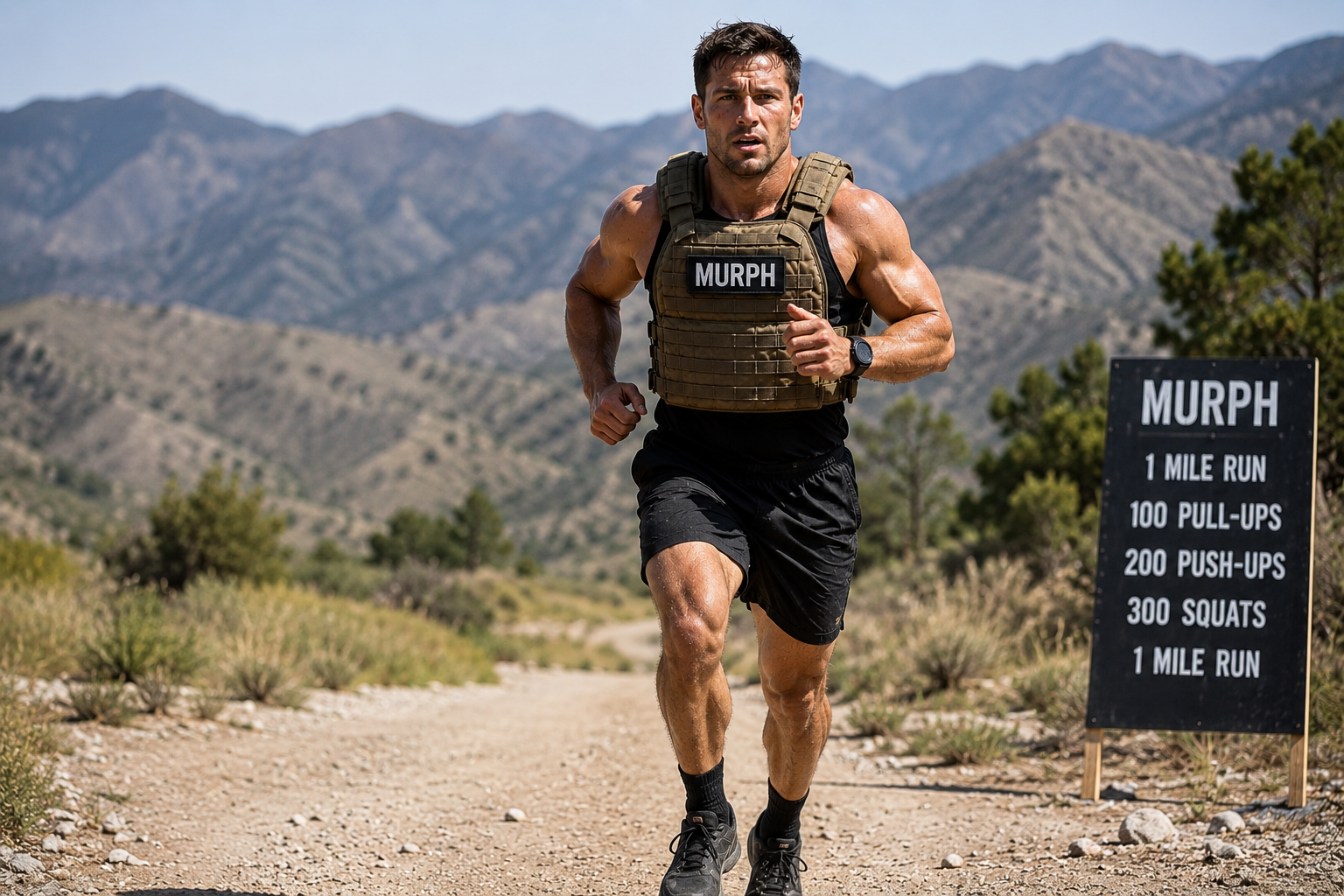
The two 1-mile runs bracket the entire workout and can make or break your time. If you are not a runner, prioritize building an aerobic base. Include two to three runs per week: one interval session (e.g., 400m repeats at faster pace), one tempo run (maintain a hard but sustainable pace), and one longer easy run (2-3 miles). The goal is to run the first mile at a pace that leaves gas in the tank for the calisthenics, and then to gut out the second mile on tired legs. Practice running on fatigued legs by doing a short bodyweight circuit immediately before a mile run once a week. [2]
Pull-Up Progression and Scaling
If you cannot perform 100 pull-ups, scale intelligently. Options: band-assisted pull-ups, ring rows, or jumping pull-ups with a slow negative. Partitioning into small sets is key. For example, 10 sets of 10 pull-ups with a band can be a huge achievement. To build pull-up strength, supplement with inverted rows, lat pulldowns, and negative pull-ups. Grip endurance will be tested; consider doing part of the pull-ups on rings to reduce wrist strain, or alternate pull-up grip (chin-up, mixed). [3]
Push-Up and Squat Scaling
Push-ups can be scaled to knee push-ups, incline push-ups on a box, or band-assisted push-ups. Focus on full range of motion and consistent pace. For squats, bodyweight squats are accessible to most, but those with knee issues can squat to a box or reduce depth. Volume tolerance is built over weeks; do not exceed a 20% increase per week. The eccentric component of squats (descending phase) is notorious for causing soreness; build the volume gradually.
Weighted Vest: Hero Challenge or Should You Go Vestless?
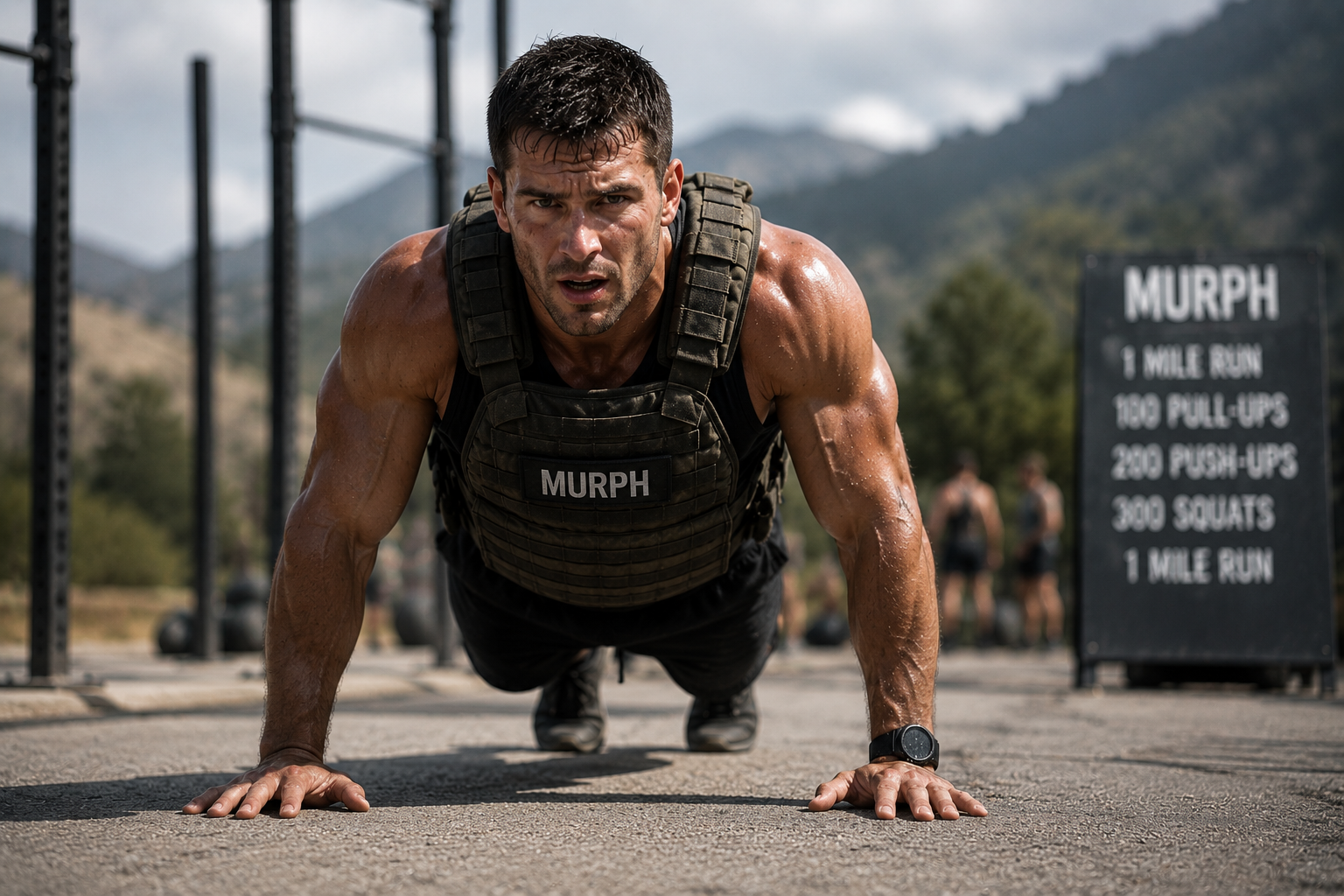
The vest represents the body armor of the SEALs and adds a profound physical and mental demand. It increases the energy cost of every movement and compresses the chest during push-ups. Before using a full 20 lb vest for the entire workout, ensure you can comfortably complete the full volume without a vest. Progress by wearing the vest for the runs only, then for the bodyweight movements but with scaled reps, and finally for the full challenge. The vest can cause chafing and overheating; wear moisture-wicking clothing and hydrate aggressively. If you have any shoulder or spine issues, consider omitting the vest or wearing a lighter load (10 lb). The spirit of the workout is not about the vest; it’s about the effort and remembrance. Many gyms encourage athletes to strip the vest if they’re struggling—it’s the smart, safe play.
Safety Alert: Never wear a weighted vest if you have uncontrolled high blood pressure, heart conditions, or cervical spine instability. The vest increases intrathoracic pressure and can exacerbate these issues. Always check with your doctor.
Nutrition Strategy: Fueling the Murph for Peak Performance
The Murph requires a massive energy output and causes significant muscle breakdown. Nutrition and hydration begin the night before. The goal is to start fully glycogen-loaded and hydrated, maintain blood glucose during the effort, and immediately initiate recovery after.
The Night Before
Consume a balanced dinner rich in complex carbohydrates (sweet potatoes, quinoa, brown rice), lean protein, and vegetables. Aim for 1.5-2 grams of carbohydrates per pound of body weight if you want to maximize glycogen stores. Include a moderate amount of healthy fat for satiety. Hydrate with water and electrolytes; avoid alcohol, which impairs sleep and dehydrates.
Morning of the Murph
Eat a familiar, easily digestible breakfast 2-3 hours before the workout. Oatmeal with berries and a scoop of protein, or a bagel with peanut butter and banana, are popular choices. If you have less time, a smaller meal like a banana and a protein shake an hour before can work. Hydrate with 16-20 oz of water with electrolytes. A small caffeine dose (coffee, pre-workout) 30-60 minutes prior can improve performance, but don’t overdo it on a nervous stomach.
| Timing | Goal | Food/Supplement |
|---|---|---|
| 2-3 hours pre | Top off glycogen, stabilize blood sugar | Oatmeal, banana, whey protein, almond butter |
| 30 min pre | Mental focus, hydration | 100-200 mg caffeine, 8-12 oz water, 500 mg electrolytes |
| During (if >45 min) | Sustain energy, prevent cramping | Sipper of Gatorade/carb drink, banana if tolerated |
| Immediately post | Jump-start muscle repair, rehydrate | Whey protein shake with dextrose/fruit, electrolyte drink |
| 1-2 hours post | Full glycogen replenishment, anti-inflammatory | Lean protein, sweet potatoes, greens, tart cherry juice, omega-3s |
During the Workout
Most athletes finish the Murph in 40-75 minutes. For efforts over 45 minutes, intra-workout carbohydrates can help. A sports drink sipped during transitions, or a banana half, can maintain blood sugar. Water alone is not enough; you’re sweating heavily and losing sodium. Aim for 300-600 mg of sodium per hour via electrolyte tabs or salt in your drink. Do not chug large amounts of water mid-workout, which can cause sloshing; sip frequently.
Post-Workout Recovery Nutrition
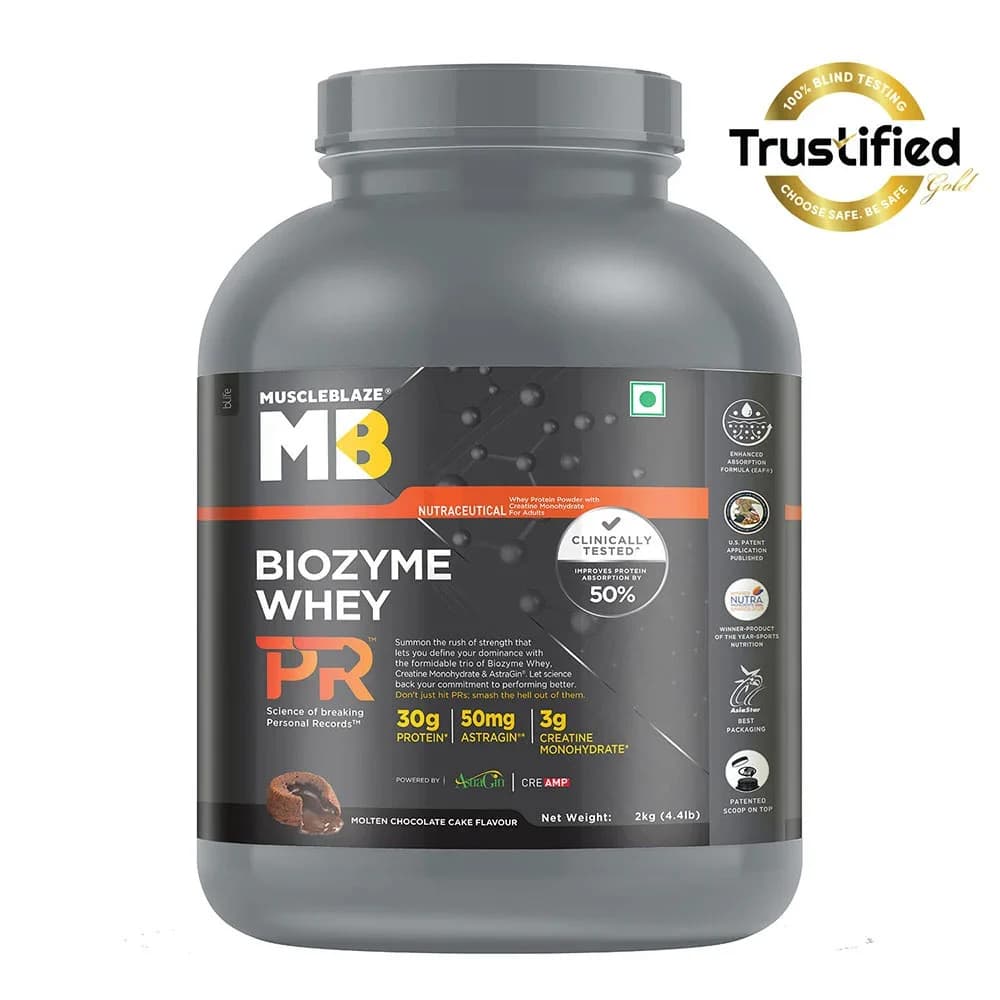
Immediately after finishing, consume fast-digesting protein (whey isolate, 25-30 g) and a high-glycemic carbohydrate (dextrose, white potato, rice cake) to spike insulin and drive amino acids into damaged muscles. The window of opportunity is wide, but early feeding reduces muscle soreness and accelerates glycogen resynthesis. [4] Within two hours, eat a full, nutrient-dense meal. Include anti-inflammatory foods like tart cherry juice, turmeric, and fatty fish. Avoid excessive alcohol post-workout; it blunts muscle protein synthesis and dehydrates further.
Supplement Stack to Support Murph Training and Recovery
While the foundation is food, several legal, evidence-based supplements can aid preparation and recovery.
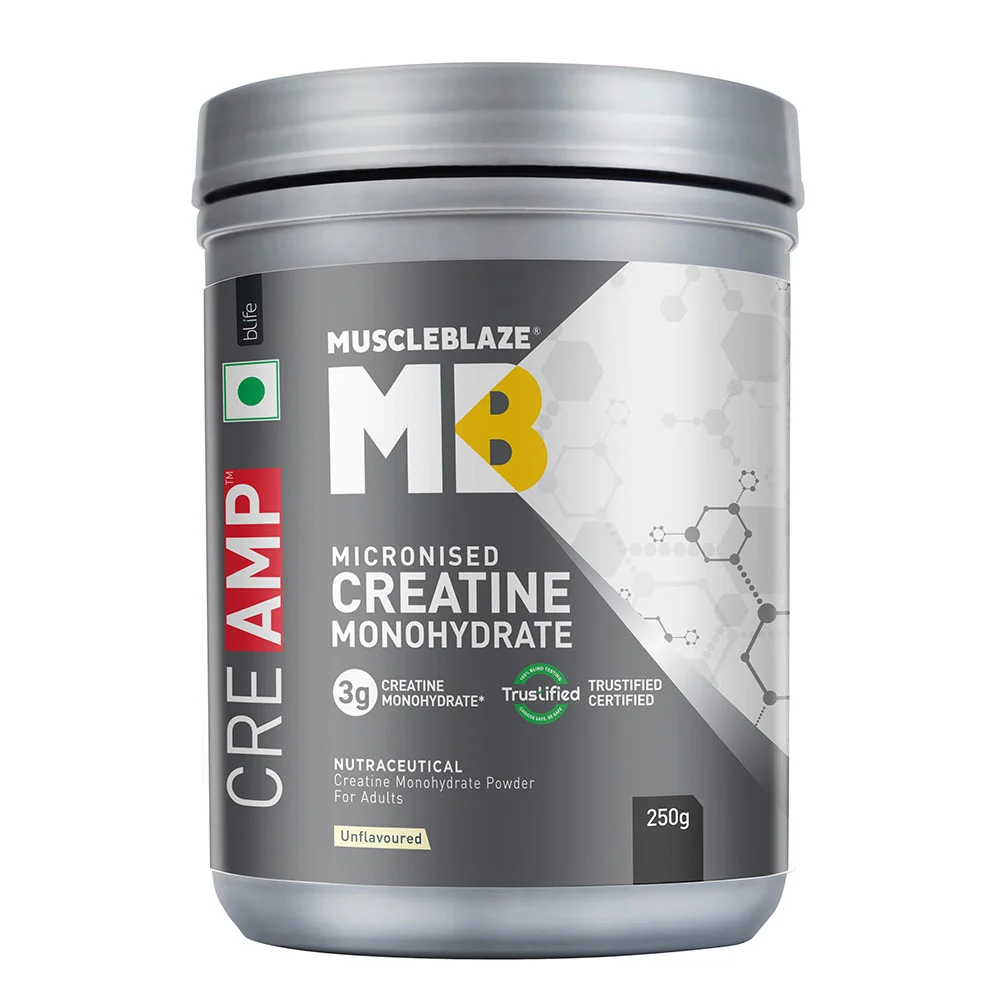
- Creatine monohydrate (5 g daily): Enhances power output during high-volume calisthenics and supports muscle cell hydration. [5]
- Beta-alanine (3-4 g daily): Buffers lactic acid, delaying fatigue during push-ups and squats in the later stages. [6]
- Electrolyte complex: Prevents cramping and hyponatremia. Use a comprehensive formula with sodium, potassium, magnesium.
- Citrulline malate (6-8 g pre-workout): Improves blood flow and may reduce muscle soreness.
- Omega-3 fatty acids (2-4 g EPA/DHA daily): Reduce post-exercise inflammation and support joint health.
- Magnesium glycinate (200-400 mg at night): Aids muscle relaxation, sleep, and recovery.
- Tart cherry juice or extract: Reduces muscle soreness and accelerates strength recovery. [7]
Pro Tip: Do not experiment with new supplements on Murph day. Test your stack during training to ensure no GI distress. Simplicity wins.
Recovery After the Murph: Preventing Rhabdomyolysis and Severe Soreness
Rhabdomyolysis (“rhabdo”) is a medical emergency where damaged muscle tissue releases myoglobin into the bloodstream, potentially causing kidney failure. Eccentric-heavy, high-volume workouts like the Murph performed by deconditioned individuals are classic triggers. Warning signs include extreme muscle pain out of proportion to soreness, dark cola-colored urine, and swelling. If you suspect rhabdo, seek emergency care immediately. Prevention is key: do not attempt the Murph without progressive preparation, stay well hydrated before, during, and after, and avoid NSAIDs (ibuprofen) pre-workout, which may worsen kidney stress. [8]
Post-workout, engage in gentle cool-down walking, stretch the hips, shoulders, and calves, and consider contrast water therapy or foam rolling the next day. Sleep is your most potent recovery tool; aim for 8+ hours the night after. Light movement the following day (walk, bike, swim) aids blood flow without additional muscle damage. Do not attempt another high-intensity workout for 3-5 days.
Common Mistakes That Sabotage Your Murph Performance
- Going out too fast on the first mile. Treat the first mile as a warm-up that earns you the right to start the calisthenics; save some gas for the final mile.
- Ignoring pacing on push-ups. Many athletes blow through the first 100 push-ups and then hit a wall. Use small sets (5-10) with brief rest from the start, even when fresh.
- Skipping hydration. Even mild dehydration significantly reduces performance. Have a water bottle and electrolyte mix ready.
- Using a vest without adaptation. The added load changes your center of gravity and increases joint stress. Ease into it over weeks.
- Poor nutrition the day before. Underfueling leads to early fatigue and poor recovery. Carb-load appropriately.
Frequently Asked Questions
Can a beginner complete the Murph?
Absolutely. The Murph is designed to be scaled. A beginner version might halve the distances to 800m runs and the reps to 50-100-150, or use ring rows for pull-ups and knee push-ups. The goal is to finish safely and honor the spirit. Build up over time.
What is a good time for the Murph?
Times vary widely. Elite athletes with a vest can finish under 30 minutes. A solid intermediate time without a vest is 40-50 minutes. Many first-timers take 60-75 minutes. Time is secondary; completion with integrity and good form is the real victory.
Should I do the run first or can I partition differently?
Standard order is run, calisthenics, run. Some gyms allow run after or split the runs, but the classic prescription is 1 mile run, then the bodyweight work, then 1 mile run. Partition the middle section as needed.
Do I have to wear the weighted vest to count?
No. The weighted vest is prescribed as “wear a 20 lb vest if you have one.” It’s optional. A bodyweight-only Murph is a legitimate and challenging accomplishment. The tribute is in the effort, not the extra weight.
What if I can’t do a pull-up at all?
Use banded pull-ups, ring rows, or even lat pulldowns. The goal is to work the same movement pattern and complete the volume. Scaling is not failing; it’s building. The community will cheer you on just as loud.
Myths About the Murph Workout Debunked
Myth 1: “You have to do it unpartitioned (straight through)”
While some elite athletes do the pull-ups, push-ups, and squats consecutively without mixing, the official standard allows partitioning. Even the CrossFit main site lists example partition schemes. Partitioning reduces the risk of rhabdo and allows most people to maintain better form.
Myth 2: “It’s only for CrossFitters”
The Murph has transcended CrossFit. It’s performed by military units, running clubs, garage gym owners, and community groups worldwide. It’s a bodyweight workout accessible to anyone willing to train.
Myth 3: “More weight is always better”
The vest load is not a bragging right. Wearing a heavier vest than recommended risks injury and can diminish the quality of the workout. The SEAL team wore standard-issue armor; the prescribed weights reflect that. Stay at 20/14 lb unless you’re a highly conditioned anomaly with medical clearance.
Conclusion: The True Spirit of Murph
The Murph is far more than a fitness challenge. It’s a ritual of remembrance and a test of character. When you stand at the pull-up bar with sweat dripping and arms shaking, you’re connected to a warrior who gave his last full measure. Training for the Murph teaches discipline, resilience, and the value of preparation. Fueling your body properly before, during, and after ensures you can give your best and stay safe. Whether you’re stepping onto the track for the first time or chasing a sub-40-minute vested PR, approach the workout with humility and gratitude.
This Memorial Day, join the global community. Scale if you need to. Cheer on your fellow athletes. Finish strong, then turn to someone and thank them for suffering beside you. The Murph is a gift—a reminder that we are capable of more than we think, and that some sacrifices can never be repaid, only honored.
For more training plans, nutrition strategies, and Hero WOD guides, explore our library. Now go train hard, recover harder, and we’ll see you on the run course.
References
- Kim, J. et al. "Exercise-induced rhabdomyolysis: a review of pathophysiology and prevention." Sports Medicine, vol. 46, no. 9, 2016, pp. 1313-1325.
- Millet, G. P. et al. "Combining hypoxic methods for peak performance." Sports Medicine, vol. 40, no. 1, 2010, pp. 1-25.
- Snarr, R. L. & Esco, M. R. "Electromyographic comparison of the traditional pull-up and assisted pull-up." Journal of Strength and Conditioning Research, vol. 27, no. 7, 2013, pp. 1960-1963.
- Ivy, J. L. "Regulation of muscle glycogen repletion, muscle protein synthesis and repair following exercise." Journal of Sports Science & Medicine, vol. 3, no. 3, 2004, pp. 131-138.
- Kreider, R. B. et al. "International Society of Sports Nutrition position stand: safety and efficacy of creatine supplementation in exercise, sport, and medicine." Journal of the International Society of Sports Nutrition, vol. 14, 2017, p. 18.
- Hoffman, J. et al. "Beta-alanine and the hormonal response to exercise." International Journal of Sports Medicine, vol. 29, no. 12, 2008, pp. 952-958.
- Bell, P. G. et al. "Tart cherry juice concentrate reduces muscle soreness and strength loss after damaging exercise." Medicine & Science in Sports & Exercise, vol. 46, no. 5, 2014, pp. 1020-1026.
- Tietze, D. C. & Borchers, J. "Exertional rhabdomyolysis in the athlete: a clinical review." Sports Health, vol. 6, no. 4, 2014, pp. 336-339.
- CrossFit. "Hero WOD Murph." CrossFit.com, 2005.
- Luttrell, M. & Robinson, P. "Lone Survivor: The Eyewitness Account of Operation Redwing and the Lost Heroes of SEAL Team 10." Little, Brown and Company, 2007.
- U.S. Navy. "Medal of Honor: Lieutenant Michael P. Murphy." Official U.S. Navy Biography, 2007.
- American College of Sports Medicine. "ACSM's Guidelines for Exercise Testing and Prescription." 11th Edition, Wolters Kluwer, 2021.
- Hawley, J. A. & Burke, L. M. "Carbohydrate availability and training adaptation: effects on cell metabolism." Exercise and Sport Sciences Reviews, vol. 38, no. 4, 2010, pp. 152-160.
- Gleeson, M. "Immune function in sport and exercise." Journal of Applied Physiology, vol. 103, no. 2, 2007, pp. 693-699.
- Mountjoy, M. et al. "IOC consensus statement on relative energy deficiency in sport (RED-S): 2018 update." British Journal of Sports Medicine, vol. 52, no. 11, 2018, pp. 687-697.
Share