Is Whey Protein Safe During Pregnancy and Breastfeeding? The Ultimate Science-Backed Safety & Nutrition Guide
By Artemis_strength•June 2, 2026•13 min read
Can Pregnant or Lactating Women Have Whey Protein? The Ultimate Science-Backed Safety & Nutrition Guide
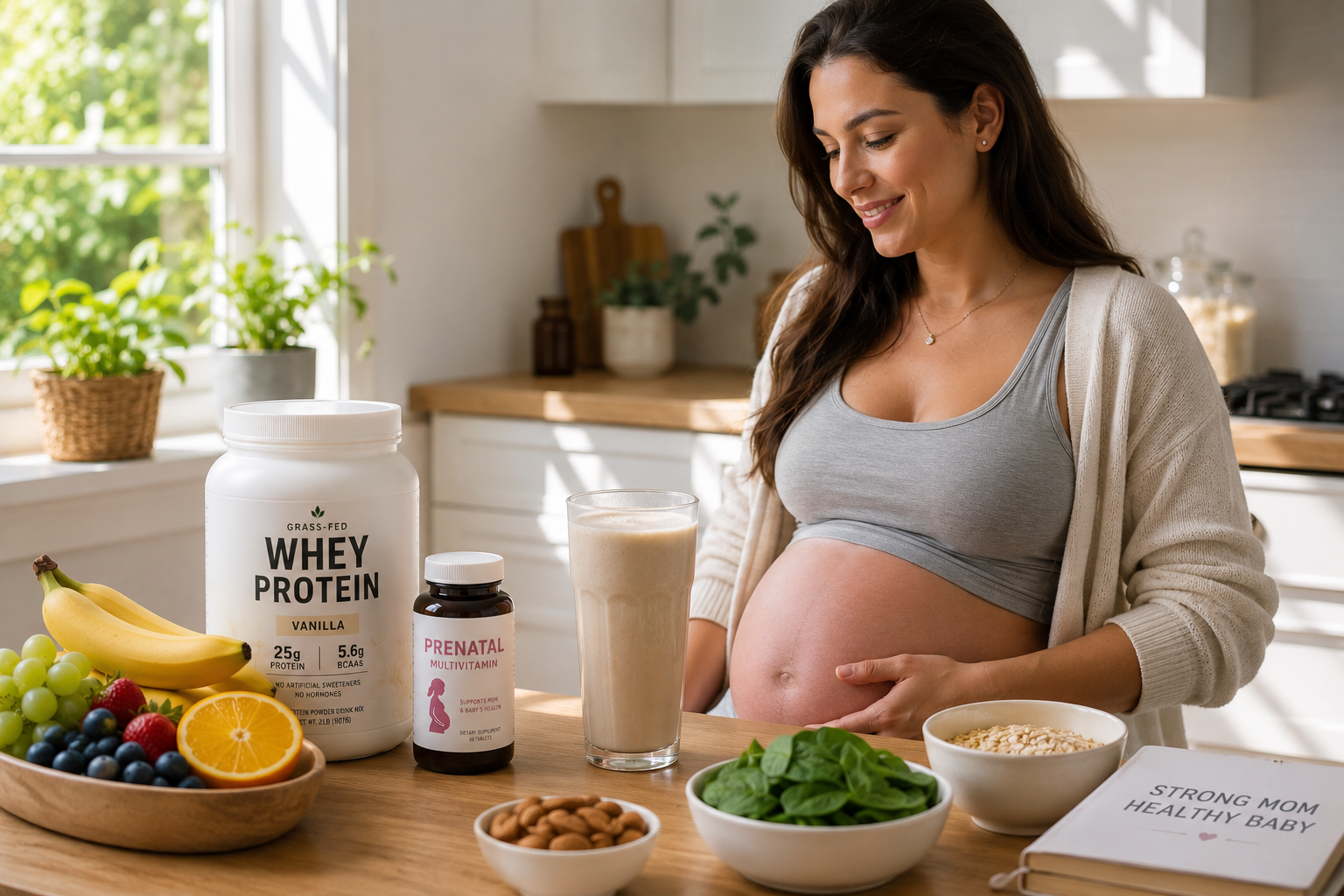
Pregnancy and breastfeeding are two of the most nutritionally demanding periods in a woman’s life. The body is building a new human, then producing the sole source of nourishment for that infant. Protein needs skyrocket, yet so do the questions and fears about what is safe to consume. In the fitness community, whey protein is a staple for muscle repair and satiety. But when you’re expecting or nursing, the conversation shifts dramatically. Can you take whey protein while pregnant? Will it harm the baby? Does it pass into breast milk? These are not fringe concerns; they are the rightful inquiries of a mother who wants to do everything right.
As a sports nutritionist, supplement researcher, and coach who has guided hundreds of women through prenatal and postnatal fitness, I’ve seen the confusion firsthand. This guide is your comprehensive, science-grounded answer. We will dissect what whey protein actually is, the physiological protein demands of pregnancy and lactation, the clinical evidence on safety, how to choose the cleanest product, and exactly how to use whey to support your energy, your baby’s growth, and your postpartum recovery—without the junk. Every recommendation is based on peer-reviewed research and clinical practice, so you can make an informed choice for you and your little one.
What Is Whey Protein? A Quick Primer for Moms
Whey is the liquid fraction of milk that separates during cheese production. It is a complete, high-quality protein containing all nine essential amino acids, with an exceptionally high concentration of branched-chain amino acids (BCAAs) like leucine—the key trigger for muscle protein synthesis. Whey comes in three main forms:
- Whey Protein Concentrate (WPC): Typically 70-80% protein by weight, with some lactose, fat, and immune-boosting peptides like lactoferrin.
- Whey Protein Isolate (WPI): Further processed to remove almost all fat and lactose, yielding a protein content of 90% or higher. Ideal for those with lactose intolerance.
- Whey Protein Hydrolysate (WPH): Pre-digested through enzymatic hydrolysis, allowing faster absorption. Often used in infant formulas and medical nutrition.
During pregnancy and breastfeeding, the type of whey matters because the gastrointestinal tract can become more sensitive, and the purity of the supplement is paramount to avoid any harmful contaminants.
The Skyrocketing Protein Demands of Pregnancy and Lactation
Understanding whether a protein supplement is appropriate requires first appreciating just how much more protein the maternal body needs.
- First trimester: Needs are similar to pre-pregnancy, about 0.8 g/kg/day, though some additional protein supports early placental development.
- Second and third trimesters: The Recommended Dietary Allowance (RDA) rises to 1.1 g/kg/day, and many experts argue that active women and those carrying multiples need even more—closer to 1.2–1.5 g/kg. [1]
- Lactation: The demand peaks. Producing breast milk requires roughly 25 g of additional protein per day above baseline. For a woman weighing 70 kg, that means a total of 1.5–1.8 g/kg. [2]
Meeting these numbers through whole foods alone—lean meats, eggs, beans—is ideal, but nausea, food aversions, and the sheer volume of food required can make it challenging. This is where a clean protein supplement can fill a critical gap.
Is Whey Protein Safe During Pregnancy? The Evidence
Whey, being a milk derivative, is generally recognized as safe for pregnant women by major health authorities when used as a food ingredient. However, not all whey products are created equal. The primary safety considerations are contamination, additives, and individual tolerance.
Heavy Metals and Toxins: The Real Danger
A landmark 2018 investigation by the Clean Label Project screened over 130 protein powders and found that many contained detectable levels of heavy metals such as lead, arsenic, cadmium, and mercury, as well as BPA from plastic packaging. [3] Plant-based and chocolate-flavored powders were often the worst offenders, but whey products also showed contamination. During pregnancy, these toxins can cross the placenta, potentially affecting fetal neurodevelopment. This makes third-party testing for purity non-negotiable. Choose brands that are certified by NSF Certified for Sport, Informed-Choice, or USP, and explicitly test for heavy metals.
Artificial Sweeteners and Additives
Many flavored whey products contain sucralose, acesulfame potassium, or sugar alcohols. While sucralose is categorized as safe by the FDA in pregnancy, some animal studies suggest high doses may alter the maternal gut microbiome, potentially influencing the infant's immune development. [4] The precautionary principle dictates choosing unsweetened or naturally sweetened (stevia, monk fruit) whey during this sensitive window.
Lactose Intolerance and GI Comfort
Pregnancy hormones, particularly progesterone, relax smooth muscle and can slow digestion, sometimes unmasking lactose intolerance. If you experience bloating or diarrhea from milk, whey concentrate may worsen it. Opting for whey isolate or hydrolysate, which have negligible lactose, can provide all the benefits without the discomfort.
Safety During Lactation: What Passes Into Breast Milk?
Dietary proteins consumed by the mother are broken down into amino acids in the gut, and these amino acids—not whole proteins—enter the bloodstream and ultimately the breast milk. Whey protein is no exception. The amino acid profile of breast milk is optimized for infant growth, and consuming high-quality protein improves the mother's nutritional status rather than harming the baby. [5]
There is no evidence that maternal consumption of whey protein causes allergy in infants. In fact, some hydrolyzed whey formulas are prescribed for allergy prevention. A concern occasionally raised is if the mother is consuming a whey product with traces of casein or lactose and the infant has a proven cow’s milk protein allergy. In such cases, a rare transfer of intact protein in trace amounts might trigger a reaction in a sensitized infant. If your baby shows signs of discomfort, bloody stools, or severe eczema, consult a pediatrician and consider eliminating dairy (including whey) from your diet temporarily. [6]

Powerful Benefits of Whey Protein for Moms
When sourced cleanly, whey offers distinct advantages during this life stage:
- Closes the Protein Gap: A single scoop provides 20-25 g of complete, rapidly absorbed protein, helping meet the elevated needs of late pregnancy and nursing without excess calories.
- Rich in Immune Factors: Whey concentrate retains lactoferrin, immunoglobulins, and glycomacropeptides, which may support maternal immune resilience. [7]
- Supports Milk Synthesis: The abundant BCAAs, especially leucine, are directly used by mammary glands to produce milk proteins. Adequate protein intake is correlated with better milk volume and composition. [8]
- Postpartum Recovery and Body Composition: The catabolic state following delivery and the sleep deprivation of breastfeeding can lead to muscle loss. Leucine-rich whey stimulates muscle protein synthesis, aiding in regaining strength and metabolic health. [9]
- Satiety and Blood Sugar Control: Protein blunts post-meal glucose spikes, which is especially beneficial for women who had gestational diabetes and are at continued risk. Whey has been shown to improve insulin sensitivity. [10]
How to Choose the Safest Whey Protein: A Mom’s Buying Checklist
Use this table to navigate the supplement aisle with confidence.
| Feature | Look For | Avoid |
|---|---|---|
| Ingredient list | Short: “Whey protein isolate” or “concentrate”, sunflower lecithin | Long lists, artificial sweeteners (sucralose, acesulfame K), fillers, vegetable oils |
| Sweetener | Unsweetened, stevia, monk fruit, or organic coconut sugar | Sucralose, aspartame, high-fructose corn syrup |
| Third-party testing | NSF Certified for Sport, Informed-Choice, USP, or Clean Label Project verification | No certification, no transparency on heavy metal testing |
| Protein source | Grass-fed, rBGH-free, non-denatured | Conventionally raised, hormones, ambiguous “whey blend” |
| Lactose content | Whey isolate or hydrolysate if sensitive; concentrate if tolerant | Whey concentrate if lactose-intolerant |
Recommended Dosage and How to Use Whey Protein
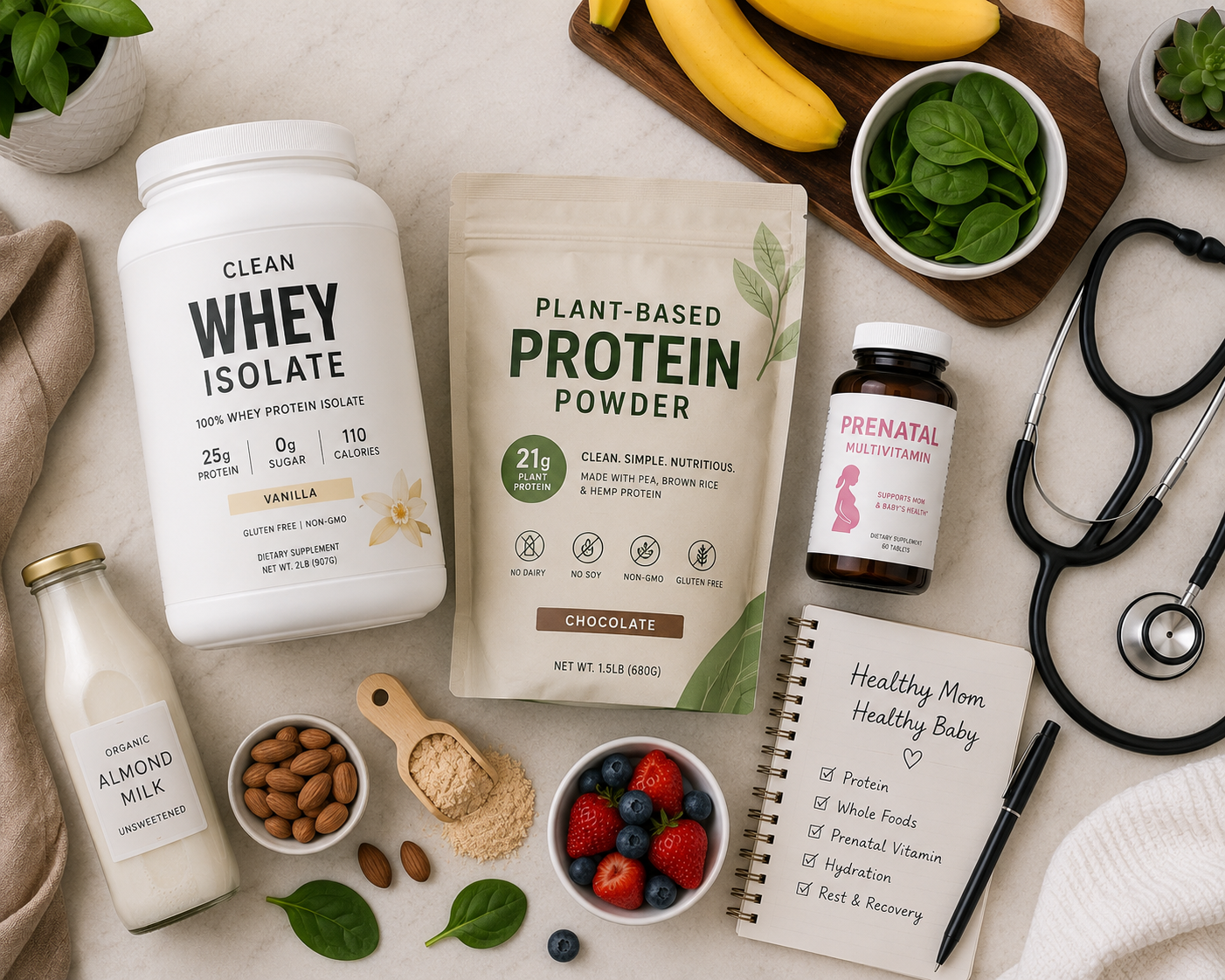
Whey is a supplement—not a meal replacement for whole-food nutrition. Aim to get the majority of your protein from sources like eggs, poultry, fish, legumes, and yogurt. Use whey strategically:
- Typical dose: 1 scoop (20-25 g protein) daily, or up to 2 scoops if protein needs are very high and food intake is low.
- Morning smoothie: Blend with spinach, banana, almond milk, and almond butter for a quick, nausea-friendly breakfast.
- Postpartum recovery shake: After a gentle walk or pelvic floor exercise, a shake with whey and a piece of fruit speeds muscle repair.
- Lactation boost: Add oats, flaxseed, and brewer’s yeast with your whey—a classic galactagogue combination.
Practical Tip: If you experience nausea in early pregnancy, try a small half-scoop with ice-cold water or almond milk first thing in the morning. The cold temperature and bland taste can help settle the stomach while providing crucial amino acids.
Supplement Synergy: What Else Do Pregnant and Lactating Women Need?
Whey protein should complement a comprehensive prenatal nutrition plan, not replace it. Key partners include:
- Prenatal multivitamin: Ensures adequate folate, iron, iodine, and other micronutrients critical for fetal development.
- Omega-3 DHA/EPA (from fish oil or algae): Supports fetal brain and eye development; may reduce preterm birth risk. [11]
- Vitamin D3: Most pregnant women are deficient; supplementation improves maternal and infant outcomes. [12]
- Probiotics: Specific strains like Lactobacillus rhamnosus may reduce the risk of gestational diabetes and infant eczema when taken prenatally. [13]
- Calcium and magnesium: If dietary dairy intake is low, these minerals are vital for bone health and preventing leg cramps.
Whey contains calcium, but not enough to replace a dedicated supplement if intake is low.
Common Myths About Whey Protein and Motherhood
Myth 1: “Whey protein will make the baby gain too much weight”
Fetal growth is primarily driven by placental nutrient transfer and maternal metabolic health, not by a modest protein supplement. Excess caloric intake—not protein—leads to large-for-gestational-age infants. In fact, inadequate protein is associated with low birth weight.
Myth 2: “Whey is unnatural; I should get all protein from whole foods”
While whole foods are the gold standard, whey is a natural milk protein, not a synthetic drug. For mothers with severe nausea or high multiples pregnancy, it can be a practical, safe tool to meet nutritional requirements. It’s no different than drinking milk, only more concentrated.
Myth 3: “Whey will dry up my milk supply”
No physiological mechanism supports this. Adequate protein and fluid intake support milk production. Dehydration and severe calorie restriction are the real threats.
Myth 4: “Only bodybuilders use whey; it’s not for women”
Protein supplementation is gender-neutral. Women during pregnancy and lactation are in a highly anabolic state, building and repairing tissue. Whey supports that metabolic demand just as it does for athletes.
Frequently Asked Questions
Can I take whey protein in my first trimester when I'm feeling sick?
Yes, if you can tolerate it. A mild, unflavored whey isolate mixed into a small smoothie with ginger and lemon can sometimes be better tolerated than solid food. Start with half a scoop and see how you feel. Always stay hydrated.
Will whey protein cause allergies in my baby if I take it while breastfeeding?
Current evidence does not support that maternal consumption of common allergens like cow’s milk protein (including whey) prevents or causes allergies. Unless your infant has a diagnosed allergy, there is no need to avoid it. [14]
What if the protein powder has artificial sweeteners?
We recommend avoiding artificial sweeteners during pregnancy and breastfeeding out of an abundance of caution. Choose unsweetened or naturally sweetened options. If you accidentally used a product with sucralose, a single exposure is unlikely to cause harm, but switch to a cleaner option.
Can I mix whey protein with my prenatal vitamin?
It’s safe to consume them together, but the iron in prenatal vitamins can compete with calcium in whey for absorption. For best results, take your prenatal with a vitamin C source (like orange juice) separately from high-calcium meals or supplements.
Is plant-based protein better than whey during pregnancy?
Both can be safe. Pea protein, for example, is also well-digested and hypoallergenic. However, whey has a superior amino acid profile for stimulating muscle and milk protein synthesis. The best choice is the cleanest, tested product you tolerate well.
Conclusion: Empowerment Through Informed Nutrition
The answer to “Can pregnant or lactating women have whey protein?” is a carefully qualified yes. A high-quality, third-party-tested whey protein can safely bridge the protein gap, support your baby’s growth, protect your lean mass, and aid postpartum healing. The key lies not in fear, but in discernment. Read labels fiercely. Demand transparency. Reject products with artificial additives and unverified purity claims.
Always run any supplement by your OB-GYN, midwife, or registered dietitian, especially if you have a high-risk pregnancy, pre-existing kidney issues, or a history of eating disorders. When you’ve been cleared, integrate whey as a convenient, nourishing tool—never a substitute for the colorful, whole-food diet that builds a brilliant little brain. Motherhood is the ultimate endurance event. Fuel it with the same precision you would any championship race. Your body, your baby, and your future self will thank you.
If you found this guide valuable, share it with an expecting or new mom who deserves evidence-based clarity. Explore our library for more on prenatal fitness, postpartum nutrition, and safe supplementation. Have a question? Reach out—we’re here to support you every step of the way.
References
- Institute of Medicine. "Dietary Reference Intakes for Energy, Carbohydrate, Fiber, Fat, Fatty Acids, Cholesterol, Protein, and Amino Acids." The National Academies Press, 2005, pp. 589-768.
- Butte, N. F. & King, J. C. "Energy requirements during pregnancy and lactation." Public Health Nutrition, vol. 8, no. 7A, 2005, pp. 1010-1027.
- Clean Label Project. "Protein Powder: Heavy Metals and Toxins Report." 2018.
- Suez, J. et al. "Artificial sweeteners induce glucose intolerance by altering the gut microbiota." Nature, vol. 514, 2014, pp. 181-186.
- Lönnerdal, B. "Nutritional and physiologic significance of human milk proteins." American Journal of Clinical Nutrition, vol. 77, no. 6, 2003, pp. 1537S-1543S.
- Venter, C. et al. "Dietary prevention of allergic diseases in infants and small children." Pediatric Allergy and Immunology, vol. 19, no. 1, 2008, pp. 1-4.
- Walzem, R. L. et al. "Whey components: millennia of evolution create functionalities beyond nutrition." Critical Reviews in Food Science and Nutrition, vol. 42, no. 4, 2002, pp. 353-375.
- Michaelsen, K. F. et al. "Protein intake during pregnancy and lactation and body composition in the offspring." Journal of Nutritional Biochemistry, vol. 28, 2016, pp. 62-70.
- Phillips, S. M. "The impact of protein quality on the promotion of resistance exercise-induced changes in muscle mass." Nutrition & Metabolism, vol. 13, 2016, p. 64.
- Pal, S. & Ellis, V. "The acute effects of four protein meals on insulin, glucose, appetite and energy intake in lean men." British Journal of Nutrition, vol. 104, no. 8, 2010, pp. 1241-1248.
- Coletta, J. M. et al. "Omega-3 fatty acids and pregnancy." Reviews in Obstetrics & Gynecology, vol. 3, no. 4, 2010, pp. 163-171.
- Hollis, B. W. et al. "Vitamin D supplementation during pregnancy: double-blind, randomized clinical trial of safety and effectiveness." Journal of Bone and Mineral Research, vol. 26, no. 10, 2011, pp. 2341-2357.
- Luoto, R. et al. "Impact of maternal probiotic-supplemented dietary counselling on pregnancy outcome and prenatal and postnatal growth: a double-blind, placebo-controlled study." British Journal of Nutrition, vol. 103, no. 12, 2010, pp. 1792-1799.
- Greer, F. R. et al. "Effects of early nutritional interventions on the development of atopic disease in infants and children." Pediatrics, vol. 143, no. 4, 2019, e20190281.
Share