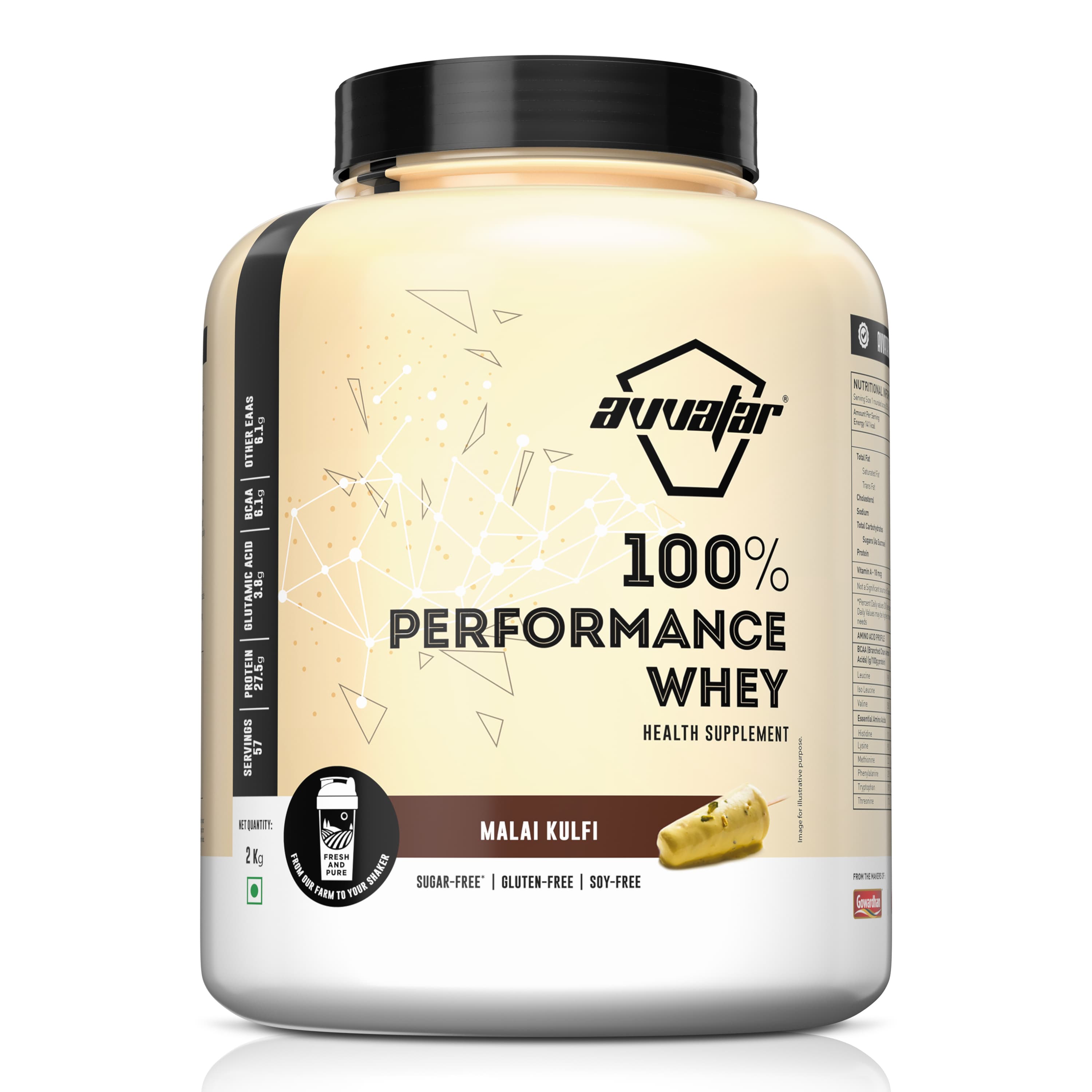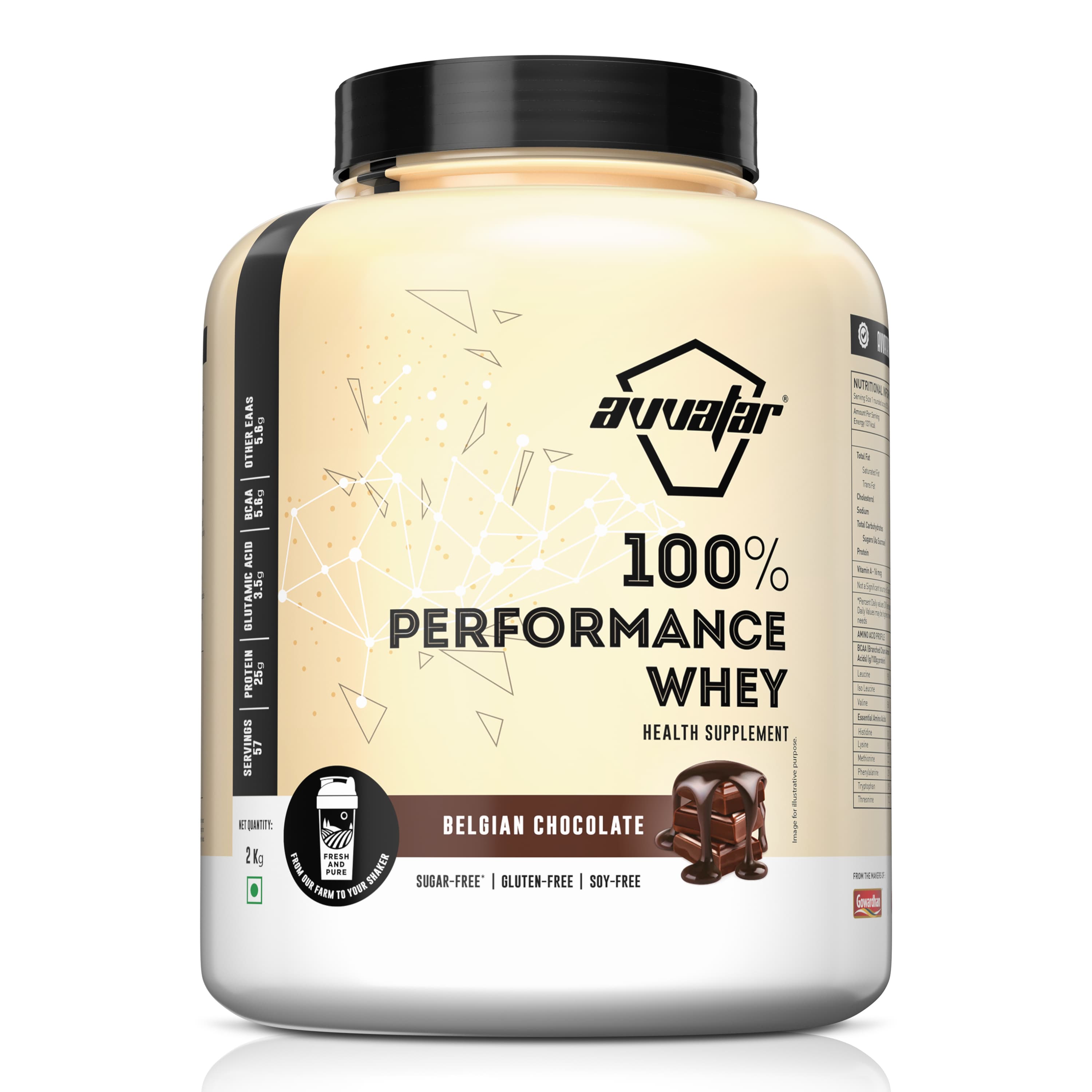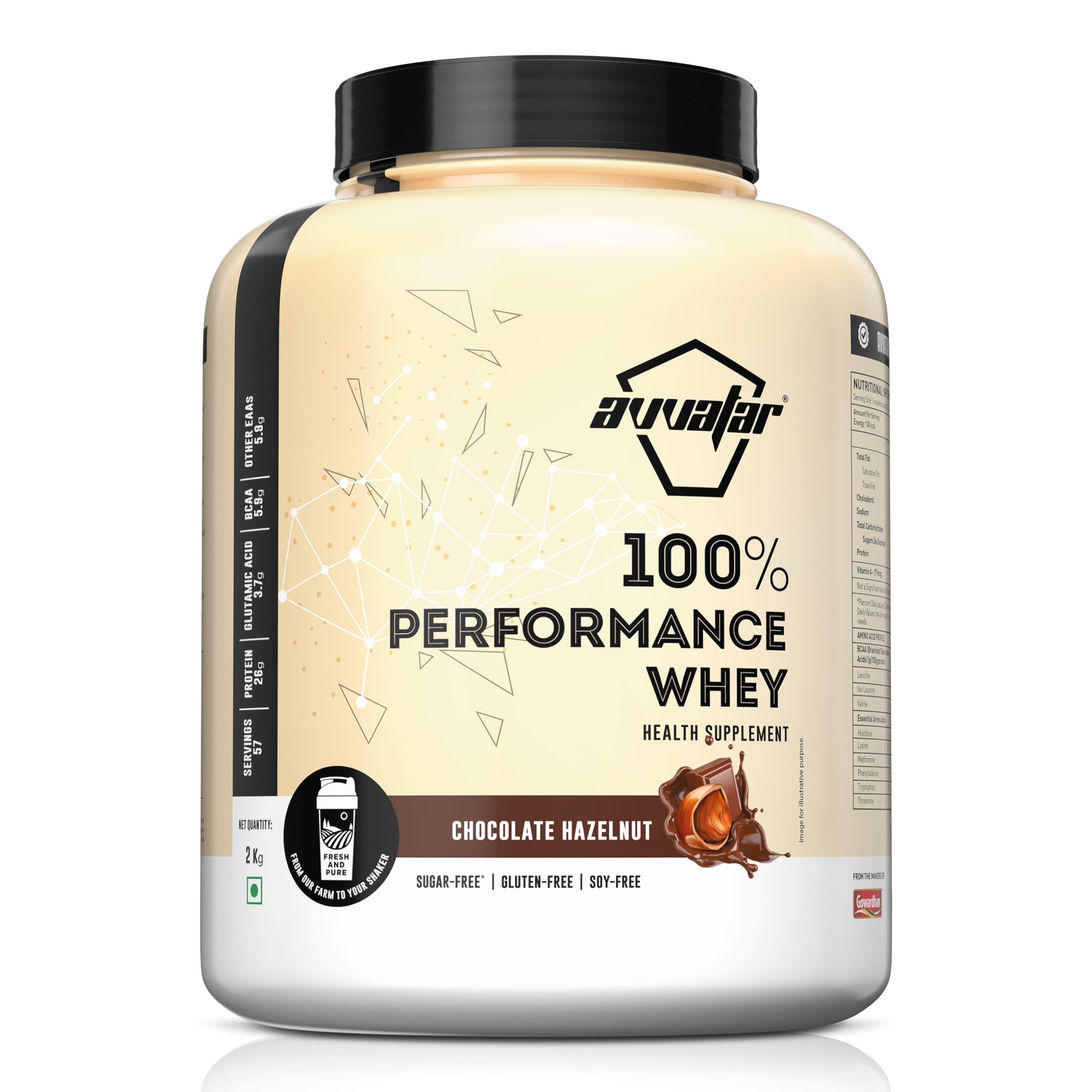
Is Whey Protein Safe for Beginners in India? Complete Science-Based Guide for First-Time Users
By artemis_strength•May 31, 2026•9 min read
Is Whey Protein Safe for Beginners in India? Complete Science-Based Guide for First-Time Users
Walk into any gym in India and you will hear the same question repeatedly: “Is whey protein safe?” For beginners starting their fitness journey, protein powders often appear mysterious, expensive, and sometimes even dangerous because of misinformation spread through social media, WhatsApp forwards, and unverified online sources.
The truth is much simpler. Whey protein is one of the most researched sports nutrition supplements in the world. Scientific evidence consistently shows that whey protein is safe for healthy individuals when consumed appropriately and purchased from reputable manufacturers.
This comprehensive guide explains everything Indian beginners need to know about whey protein, including safety, benefits, side effects, dosage recommendations, myths, and how to choose a high-quality product.
Quick Answer: Yes, whey protein is generally safe for beginners in India. It is simply a concentrated source of protein derived from milk and can help meet daily protein requirements when combined with a balanced diet and exercise program.
What Exactly Is Whey Protein?
Whey protein is a high-quality protein naturally obtained during the cheese-making process. When milk is separated into curds and liquid whey, the liquid portion contains proteins that are filtered, purified, and dried into powder form.
Contrary to popular belief, whey protein is not a steroid, hormone, or synthetic muscle-building drug. It is a food-derived protein source similar to consuming milk, paneer, curd, eggs, fish, or chicken.
Whey protein contains all nine essential amino acids required by the human body and is especially rich in leucine, the amino acid most responsible for stimulating muscle protein synthesis.
Types of Whey Protein
| Type | Protein Content | Lactose | Best For |
|---|---|---|---|
| Whey Concentrate | 70-80% | Moderate | Most beginners |
| Whey Isolate | 85-95% | Very Low | Lactose-sensitive individuals |
| Hydrolyzed Whey | 90%+ | Very Low | Advanced athletes |
Why Do Beginners Consider Whey Protein?
Many Indian beginners struggle to consume adequate protein through food alone. Traditional diets often emphasize carbohydrates such as rice, chapati, potatoes, and sweets while protein intake remains relatively low.
For example, a beginner weighing 70 kg who wants to build muscle may require approximately 112–154 grams of protein daily. Reaching this target consistently through regular meals can be challenging.
Whey protein provides a convenient solution by delivering 20–30 grams of high-quality protein in a single serving.
Is Whey Protein Safe According to Science?
Yes. Extensive scientific research supports the safety of whey protein consumption in healthy individuals.
Organizations including the International Society of Sports Nutrition (ISSN), American College of Sports Medicine (ACSM), and numerous nutrition researchers recognize protein supplementation as a safe and effective method to increase dietary protein intake.
"Protein supplementation within recommended intake ranges has consistently demonstrated safety in healthy adults and athletes."
Numerous long-term studies have found no harmful effects on healthy kidneys, liver function, or overall health when protein intake remains within recommended ranges.
Important: Whey protein is a supplement, not a replacement for whole foods. It should complement a balanced diet rather than replace nutritious meals.
Common Myths About Whey Protein in India
Myth #1: Whey Protein Damages Kidneys
This is one of the most widespread myths in India.
Scientific evidence shows that higher protein intakes do not harm kidney function in healthy individuals. Concerns primarily apply to people with pre-existing kidney disease, who should consult a physician before using supplements.
Myth #2: Whey Protein Is a Steroid
Completely false.
Whey protein is derived from milk and contains amino acids. Steroids are synthetic hormones that influence muscle growth through entirely different mechanisms.
Myth #3: Whey Protein Causes Hair Loss
No direct scientific evidence shows that whey protein causes hair loss.
Hair loss is usually linked to genetics, stress, nutritional deficiencies, hormonal changes, or medical conditions.
Myth #4: Protein Powder Is Only for Bodybuilders
Protein is essential for everyone, including office workers, women, elderly adults, athletes, and beginners trying to improve their health.
Myth #5: Whey Protein Causes Infertility
No credible scientific evidence supports this claim. Quality whey protein supplements do not affect fertility in healthy individuals.
Benefits of Whey Protein for Beginners
1. Supports Muscle Growth
Resistance training creates microscopic muscle damage. Protein provides the amino acids necessary for repair and growth.
Whey protein is particularly effective because of its high leucine content and rapid digestion.
2. Improves Recovery
Consuming protein after workouts can help reduce muscle soreness and accelerate recovery between training sessions.
3. Helps Meet Daily Protein Requirements
Many Indian beginners consume less protein than recommended. Whey protein makes it easier to close this nutritional gap.
4. Supports Fat Loss
Higher protein intake can increase satiety, reduce hunger, and help preserve lean muscle mass during calorie deficits.
5. Convenient and Time Efficient
Preparing a protein shake takes less than a minute, making it ideal for students, professionals, and busy individuals.
How Much Whey Protein Should Beginners Take?
The ideal dosage depends on total daily protein needs rather than a fixed supplement amount.
| Goal | Protein Requirement |
|---|---|
| General Health | 0.8–1.0 g/kg body weight |
| Muscle Gain | 1.6–2.2 g/kg body weight |
| Fat Loss | 1.8–2.4 g/kg body weight |
A 70 kg beginner aiming for muscle growth may require approximately 112–154 grams of protein daily.
If food provides 100 grams, one whey protein shake supplying 25 grams may help bridge the gap.
Beginner Recommendation: Start with one scoop (20–30 grams protein) daily and adjust based on your overall dietary intake.
Best Time to Take Whey Protein
One of the most common questions beginners ask is whether timing matters.
The reality is that total daily protein intake is more important than exact timing.
Popular Timing Options
- Post-workout for recovery
- Morning protein boost
- Between meals
- Before bed alongside other protein sources
For convenience, many beginners prefer taking whey protein within one hour after training.
Possible Side Effects of Whey Protein
Most healthy individuals experience no significant side effects.
However, some users may encounter:
- Bloating
- Gas
- Digestive discomfort
- Mild stomach upset
- Lactose sensitivity reactions
These symptoms are usually related to lactose intolerance or excessive intake rather than whey protein itself.
How to Reduce Side Effects
- Choose whey isolate if lactose-sensitive
- Drink adequate water
- Avoid excessive servings
- Purchase quality products from reputable brands
- Introduce supplementation gradually
Consult a healthcare professional before supplementation if you have diagnosed kidney disease, liver disease, metabolic disorders, or significant digestive conditions.
How to Choose a Safe Whey Protein in India
The biggest safety concern is often not whey protein itself but counterfeit supplements.
Checklist Before Buying
- Purchase from authorized sellers
- Verify batch numbers and seals
- Look for third-party testing
- Check protein content per serving
- Avoid suspiciously cheap products
- Review ingredient labels carefully
Red Flags
- Unrealistically low prices
- Missing authenticity codes
- Poor packaging quality
- No manufacturer details
- Exaggerated marketing claims
Whey Protein vs Natural Foods
| Source | Approximate Protein |
|---|---|
| 1 Scoop Whey Protein | 24-30 g |
| 100 g Chicken Breast | 30-31 g |
| 4 Whole Eggs | 24-28 g |
| 200 g Paneer | 35-40 g |
| 250 g Greek Yogurt | 20-25 g |
Whey protein is not superior to whole foods. It is simply more convenient and efficient for increasing protein intake.
Who Should Consider Whey Protein?
- Gym beginners
- Vegetarians struggling to meet protein targets
- Students with busy schedules
- Working professionals
- Athletes and sports enthusiasts
- Individuals pursuing fat loss while preserving muscle
Who May Not Need Whey Protein?
- Individuals already meeting protein requirements through food
- People with milk protein allergies
- Those advised against supplementation by healthcare providers
Practical Beginner Plan
- Calculate daily protein needs.
- Track food intake for one week.
- Identify protein gaps.
- Add one whey protein serving daily if required.
- Focus on consistent resistance training.
- Prioritize sleep and recovery.
- Monitor digestion and overall comfort.
Frequently Asked Questions
Can beginners take whey protein without going to the gym?
Yes. Whey protein is simply a protein source. However, muscle-building benefits are greatest when combined with resistance training.
Can teenagers use whey protein?
Healthy teenagers who participate in sports or exercise may use whey protein under parental guidance and preferably after consulting a healthcare professional.
Can women take whey protein?
Absolutely. Protein requirements apply to both men and women. Whey protein does not cause excessive muscle growth in women.
Can whey protein increase weight?
Only if overall calorie intake exceeds energy expenditure. Whey protein itself does not automatically cause weight gain.
Can diabetics use whey protein?
Many whey products can fit into diabetic meal plans, but individuals should consult their physician regarding specific dietary needs.
Do I need whey protein every day?
Not necessarily. The goal is meeting daily protein requirements through any combination of food and supplementation.
Expert Verdict
After reviewing decades of sports nutrition research, the answer remains clear: whey protein is one of the safest and most extensively studied dietary supplements available today.
For healthy beginners in India, whey protein offers a convenient, effective, and evidence-based way to increase protein intake, support muscle growth, improve recovery, and enhance overall fitness progress.
The key is purchasing authentic products, using appropriate serving sizes, and treating whey protein as a supplement to a balanced diet rather than a miracle solution.
Bottom Line: Whey protein is safe for most healthy beginners in India and can be an effective tool for meeting protein goals, supporting recovery, and maximizing training results when used responsibly.
References
- Jäger R, Kerksick CM, Campbell BI, et al. International Society of Sports Nutrition Position Stand: Protein and Exercise.
- Morton RW, Murphy KT, McKellar SR, et al. A Systematic Review, Meta-analysis and Meta-regression of Protein Supplementation on Resistance Training-Induced Gains in Muscle Mass and Strength.
- Phillips SM, Van Loon LJC. Dietary Protein for Athletes: From Requirements to Metabolic Advantage.
- Antonio J, Ellerbroek A, Silver T, et al. A High Protein Diet Has No Harmful Effects: A One-Year Crossover Study in Resistance-Trained Men.
- Campbell B, Kreider RB, Ziegenfuss T, et al. International Society of Sports Nutrition Position Stand: Protein and Exercise Performance.
- World Health Organization (WHO) Protein and Amino Acid Requirements in Human Nutrition.
- National Institutes of Health. Dietary Protein Intake and Human Health.
Ready to build muscle, recover faster, and optimize your nutrition? Start by evaluating your daily protein intake, prioritizing whole foods, and using high-quality whey protein strategically to support your fitness goals.
Share