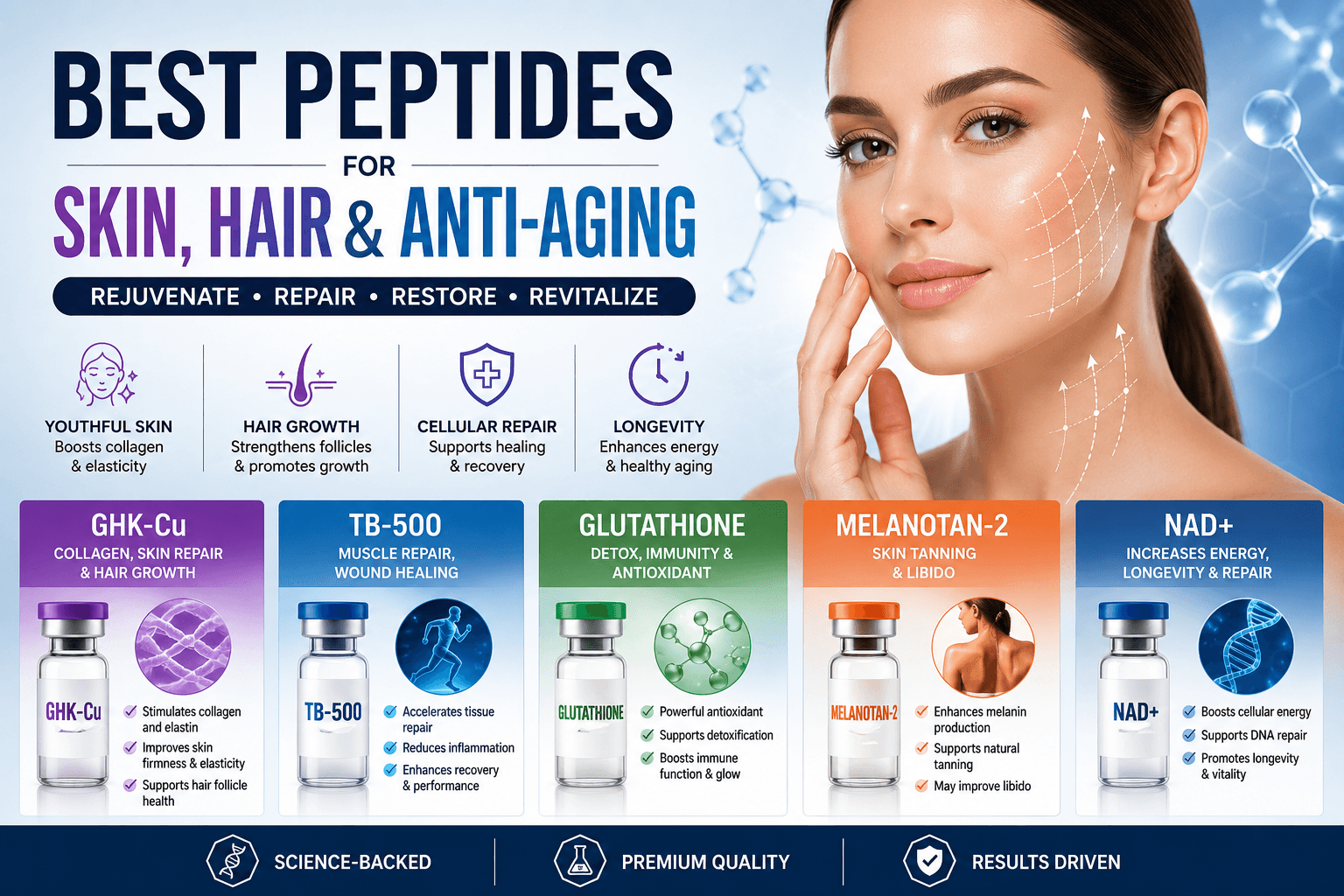
Best Peptides for Skin, Hair & Anti-Aging: Complete Guide to GHK-Cu, TB-500, Glutathione, Melanotan-2 and NAD+
By Artemis_strength•May 31, 2026•6 min read
Best Peptides for Skin, Hair & Anti-Aging: Complete Guide to GHK-Cu, TB-500, Glutathione, Melanotan-2 and NAD+
Medical Disclaimer: This article is for educational and informational purposes only and does not constitute medical advice. The peptides discussed are research chemicals or prescription substances, many not approved by the FDA for cosmetic or anti-aging purposes. Use of these compounds without physician supervision can result in serious health risks including allergic reactions, hormonal disruption, and unknown long-term effects. Always consult a qualified healthcare professional before considering any peptide therapy. The information presented is based on current research as of 2026 and may evolve.
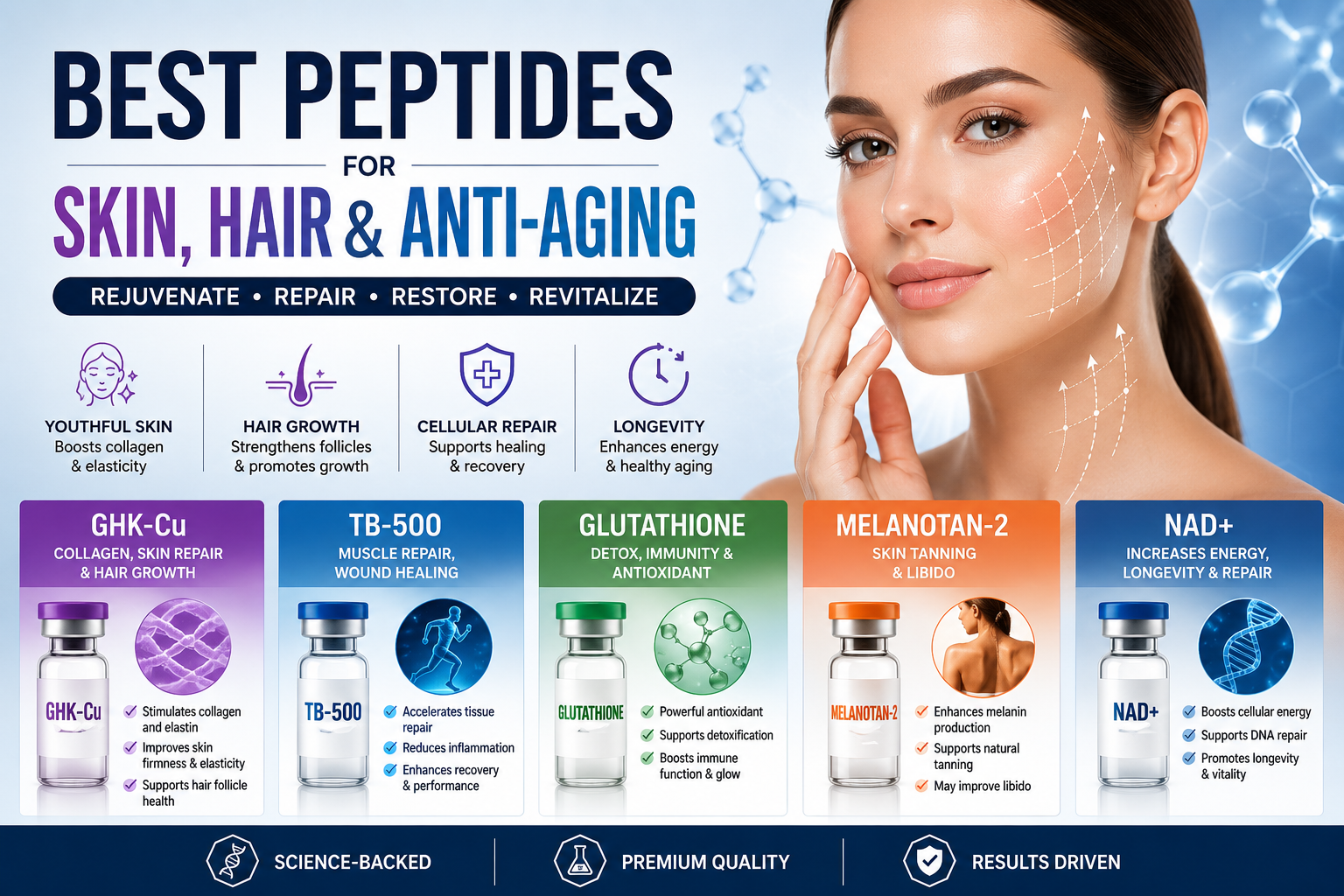
In the world of aesthetics and longevity, the needle has replaced the scalpel—not just for injecting fillers, but for delivering precise biochemical signals that coax the body to heal, rebuild, and rejuvenate itself. Peptides, short chains of amino acids that act as molecular messengers, sit at the center of this revolution. Unlike surface-level creams, they work systemically to stimulate collagen synthesis, repair damaged tissues, neutralize oxidative stress, and enhance cellular energy. For those seeking not just to cover up aging but to reverse its root mechanisms, the following five peptides—GHK-Cu, TB-500, Glutathione, Melanotan-2, and NAD+—represent the cutting edge of regenerative wellness.
As a sports nutritionist and longevity researcher, I have spent years studying how these molecules can be applied safely and effectively. This is not a superficial trend piece; it is a rigorous clinical guide. You will learn the molecular biology of each peptide, how they impact skin architecture, hair follicle cycling, and systemic aging, their dosing protocols, side effect profiles, and how to integrate them into a comprehensive anti-aging lifestyle. By the end, you will understand why these compounds are generating such intense interest from dermatologists, biohackers, and elite performers—and how to think critically about using them yourself.
The Biochemistry of Beauty: How Peptides Combat Aging
Aging skin is the visible manifestation of cumulative damage: fragmented collagen, senescent fibroblasts, oxidative stress, mitochondrial dysfunction, and declining stem cell activity. Topical agents sit on the surface; peptides, when administered appropriately, can reach the dermis and beyond, activating the body’s own repair machinery. The core mechanisms include upregulation of collagen and elastin genes, scavenging of reactive oxygen species, modulation of melanogenesis, and enhancement of cellular energy (ATP) production. Each peptide we will discuss targets a distinct node in this complex network, and when combined strategically, their effects can be synergistic.
Comprehensive Comparison of Skin, Hair & Anti-Aging Peptides
| Peptide | Primary Mechanism | Skin & Hair Benefit | Systemic Anti-Aging Effect | Typical Administration |
|---|---|---|---|---|
| GHK-Cu | Copper-dependent gene expression, collagen synthesis, wound healing | Firms skin, reduces wrinkles, stimulates hair growth, accelerates wound closure | Epigenetic remodeling, anti-inflammatory, neuroprotective | Topical serum, subcutaneous injection, or microneedling |
| TB-500 (Thymosin Beta-4) | Actin polymerization, angiogenesis, stem cell migration | Dramatically improves wound healing, reduces scar formation, supports hair follicle regeneration | Systemic tissue repair, anti-inflammatory | Subcutaneous or intramuscular injection |
| Glutathione | Master antioxidant, detoxification, immune modulation | Skin lightening, reduction of hyperpigmentation, improves skin elasticity and clarity | Mitochondrial protection, liver detox, immune support | Oral (liposomal), intravenous, subcutaneous, topical |
| Melanotan-2 | Melanocortin receptor agonist (MC1R, MC4R) | Deep, long-lasting tan; potential protection against UV damage; reduced risk of sunburn | Appetite suppression, libido enhancement (off-target MC4R) | Subcutaneous injection |
| NAD+ (Nicotinamide Adenine Dinucleotide) | Cellular energy coenzyme, sirtuin activation, DNA repair | Improves skin barrier function, reduces photoaging, supports keratinocyte health | Mitochondrial biogenesis, metabolic health, cognitive longevity | Oral precursors (NMN, NR), subcutaneous/IV NAD+, intranasal |
GHK-Cu: The Copper Peptide That Redefines Skin Rejuvenation
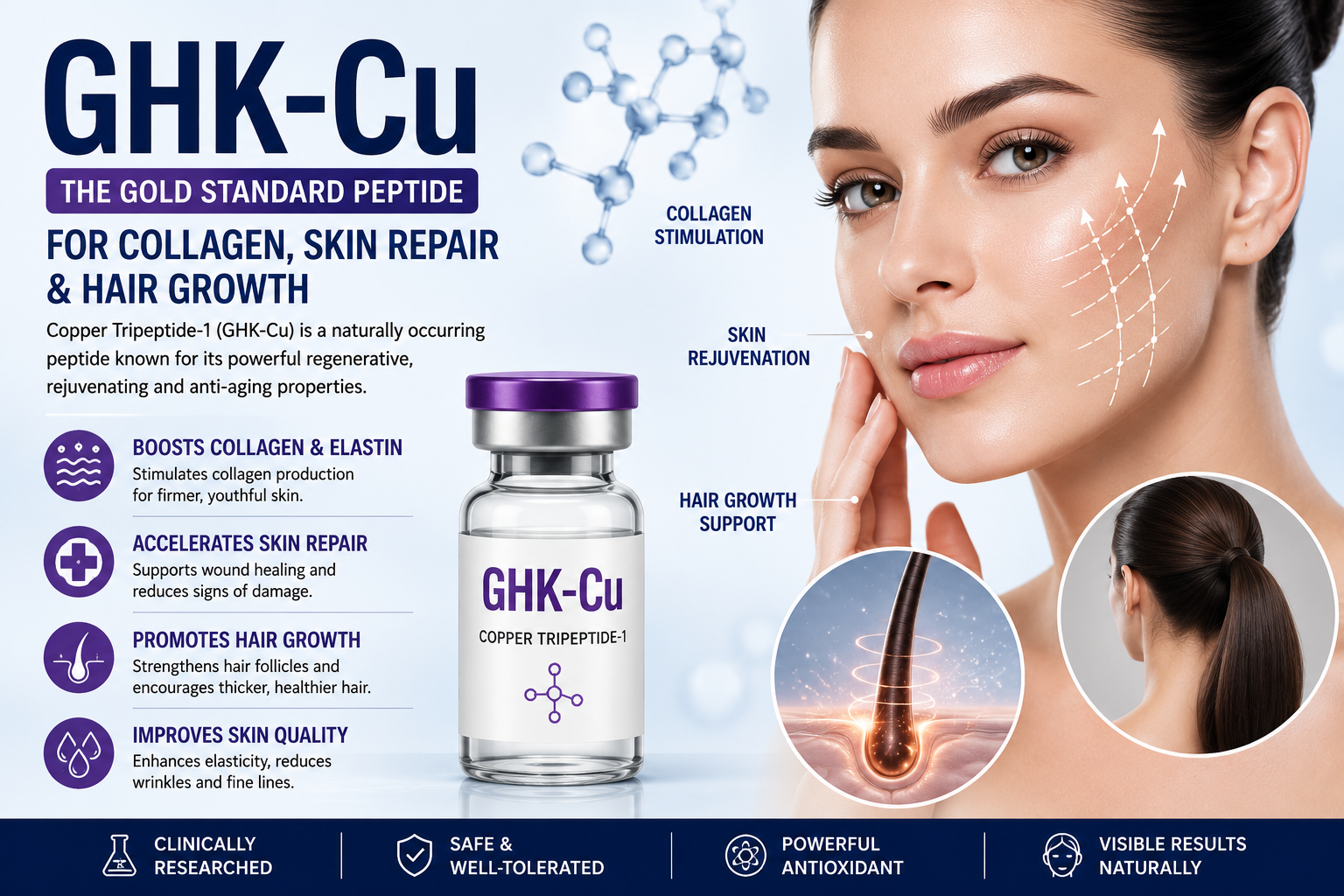
GHK-Cu is a naturally occurring copper complex of the tripeptide glycyl-L-histidyl-L-lysine. It was first isolated from human plasma and has since emerged as one of the most powerful regenerative peptides known. Its affinity for copper ions is critical: copper acts as a cofactor for lysyl oxidase, an enzyme that cross-links collagen and elastin, and for superoxide dismutase, an antioxidant enzyme. GHK-Cu's biological resume is staggering—it upregulates over 4,000 genes involved in tissue repair, including those for collagen types I, III, and IV, vascular endothelial growth factor (VEGF), and nerve growth factor (NGF). [1]
Clinically, GHK-Cu is used both topically and injectably to reverse skin aging. It promotes the synthesis of glycosaminoglycans like hyaluronic acid, restoring the dermal extracellular matrix. A 2016 randomized controlled trial demonstrated that topical GHK-Cu applied daily over 12 weeks significantly reduced wrinkle depth, improved skin elasticity, and increased collagen density compared to placebo. [2] It also has a remarkable ability to stimulate hair growth: by increasing blood flow to the follicle and prolonging the anagen (growth) phase, it can reverse thinning. Many users combine microneedling with GHK-Cu serums to enhance transdermal delivery, but subcutaneous injection near the scalp or face yields systemic benefits as well. Typical dosing for injectable GHK-Cu is 1-2 mg once or twice daily in cycles of 4-6 weeks. Side effects are rare but can include a transient copper taste and mild injection-site discomfort.
TB-500: From Wound Repair to Youthful Skin & Hair
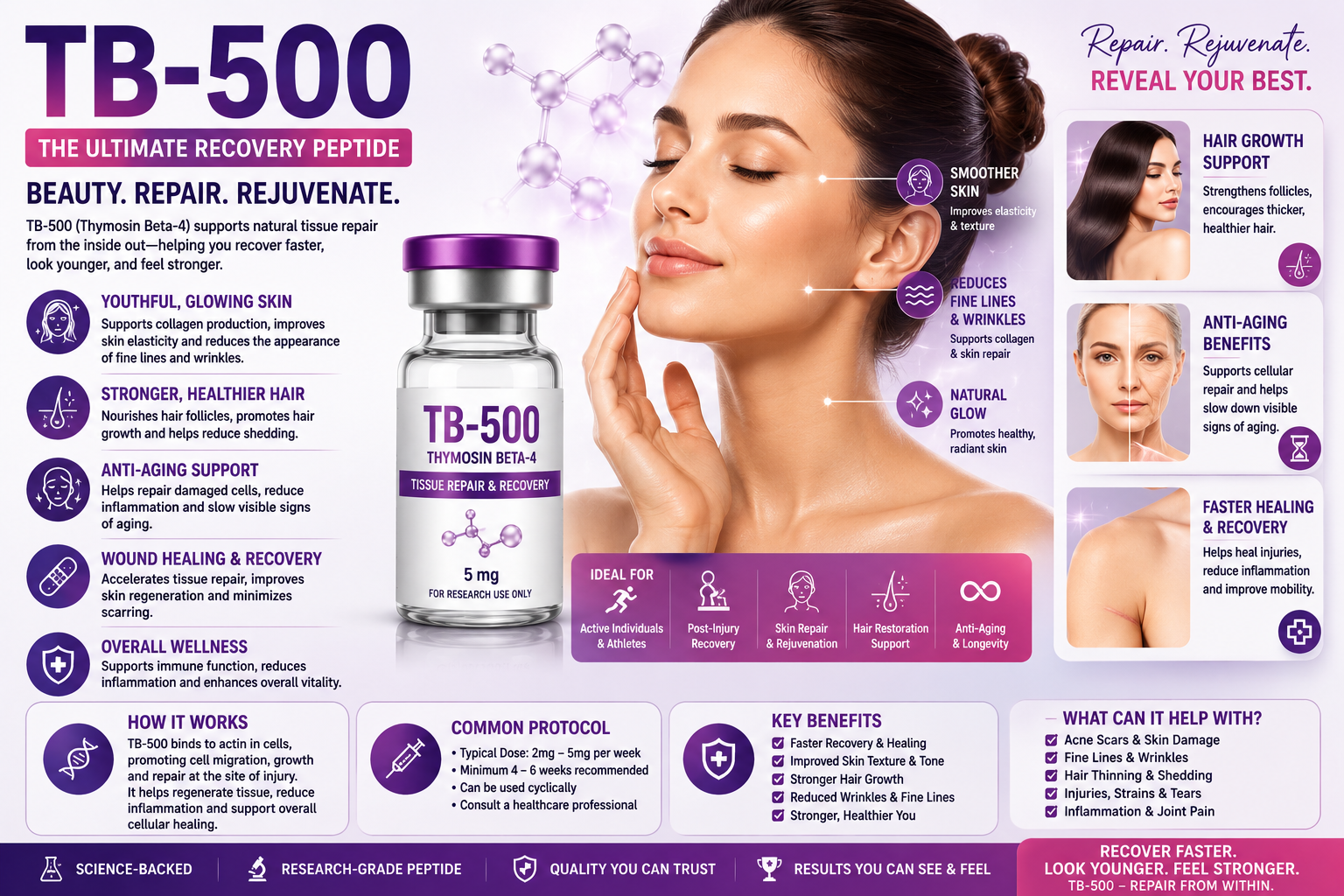
TB-500 is a synthetic fragment of Thymosin Beta-4, a 43-amino acid peptide produced in the thymus and present in all tissues except red blood cells. Its primary role is the regulation of actin, the cellular protein that forms the cytoskeleton. By binding and sequestering G-actin, TB-500 promotes cell migration, proliferation, and differentiation—all critical processes in wound healing and tissue regeneration. [3] Beyond its well-known use in muscle and tendon repair, TB-500 has profound effects on skin: it accelerates re-epithelialization, reduces inflammation, and minimizes scar formation through collagen realignment.
For hair, TB-500 stimulates stem cell activity in the hair follicle bulge, leading to the growth of new follicles and strengthening of existing ones. Animal studies have shown that TB-500 injection accelerates hair regrowth and increases follicle density. [4] Many clinicians in the regenerative space use it off-label to treat alopecia areata and pattern hair loss. Typical systemic dosing for anti-aging is 2-5 mg twice weekly, often combined with BPC-157 for synergistic gut and tissue repair. Because TB-500 improves angiogenesis, it can also enhance skin microcirculation, contributing to a more radiant complexion.
Glutathione: The Master Antioxidant for Skin Brightness and Detoxification
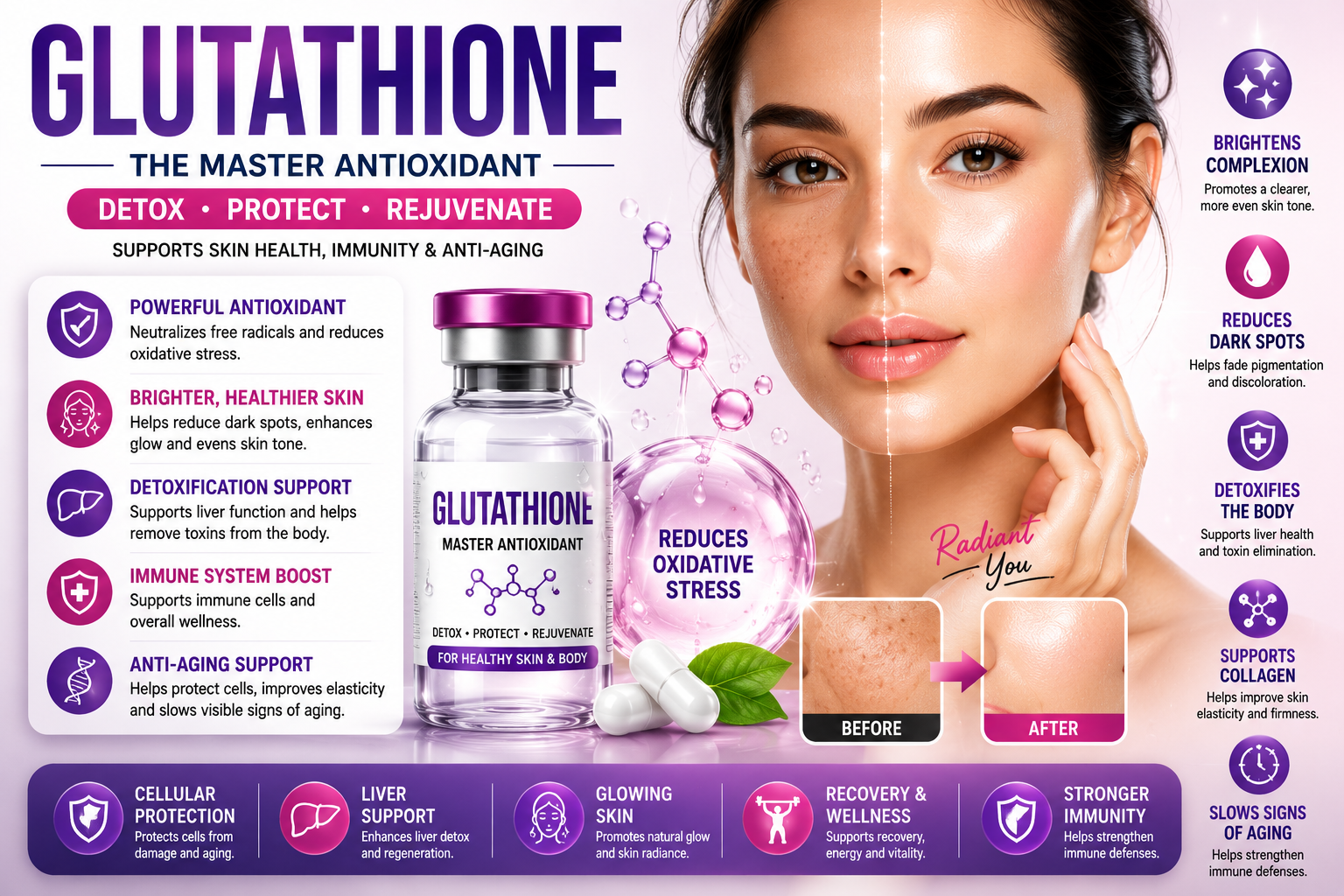
Glutathione is not a peptide in the classical signaling sense but a tripeptide (gamma-glutamyl-cysteinyl-glycine) that acts as the body's primary intracellular antioxidant. Its levels decline with age, stress, and environmental toxin exposure. Replenishing glutathione has become a cornerstone of aesthetic medicine due to its remarkable ability to lighten skin. It interferes with melanin synthesis by inhibiting tyrosinase, the key enzyme in melanogenesis, and shifts the production of melanin from the darker eumelanin to the lighter pheomelanin. [5] This results in a gradual, even skin lightening that is popular in many parts of the world.
Beyond pigmentation, glutathione reduces oxidative damage that accelerates collagen breakdown. It recycles other antioxidants like vitamins C and E, protects mitochondrial DNA, and supports liver detoxification pathways. For anti-aging, it is a systemic protector, preserving organ function and reducing glycation—the cross-linking of sugars to proteins that stiffens skin and arteries. Administration routes vary: liposomal oral glutathione has improved bioavailability, but intravenous push or subcutaneous injection yields far higher serum levels. Typical doses for IV glutathione are 600-1200 mg once or twice weekly, often combined with vitamin C. Topical glutathione creams are available but penetrate poorly; microneedling can enhance absorption. Side effects are rare but include occasional allergic reactions or temporary skin rashes.
Clinical Insight: For skin brightening, combine glutathione with adequate vitamin C and a high-quality sunscreen. UV exposure counteracts the anti-melanogenic effect, and without sun protection, results will be blunted.
Melanotan-2: The Tanning Peptide With Surprising Anti-Aging Nuances
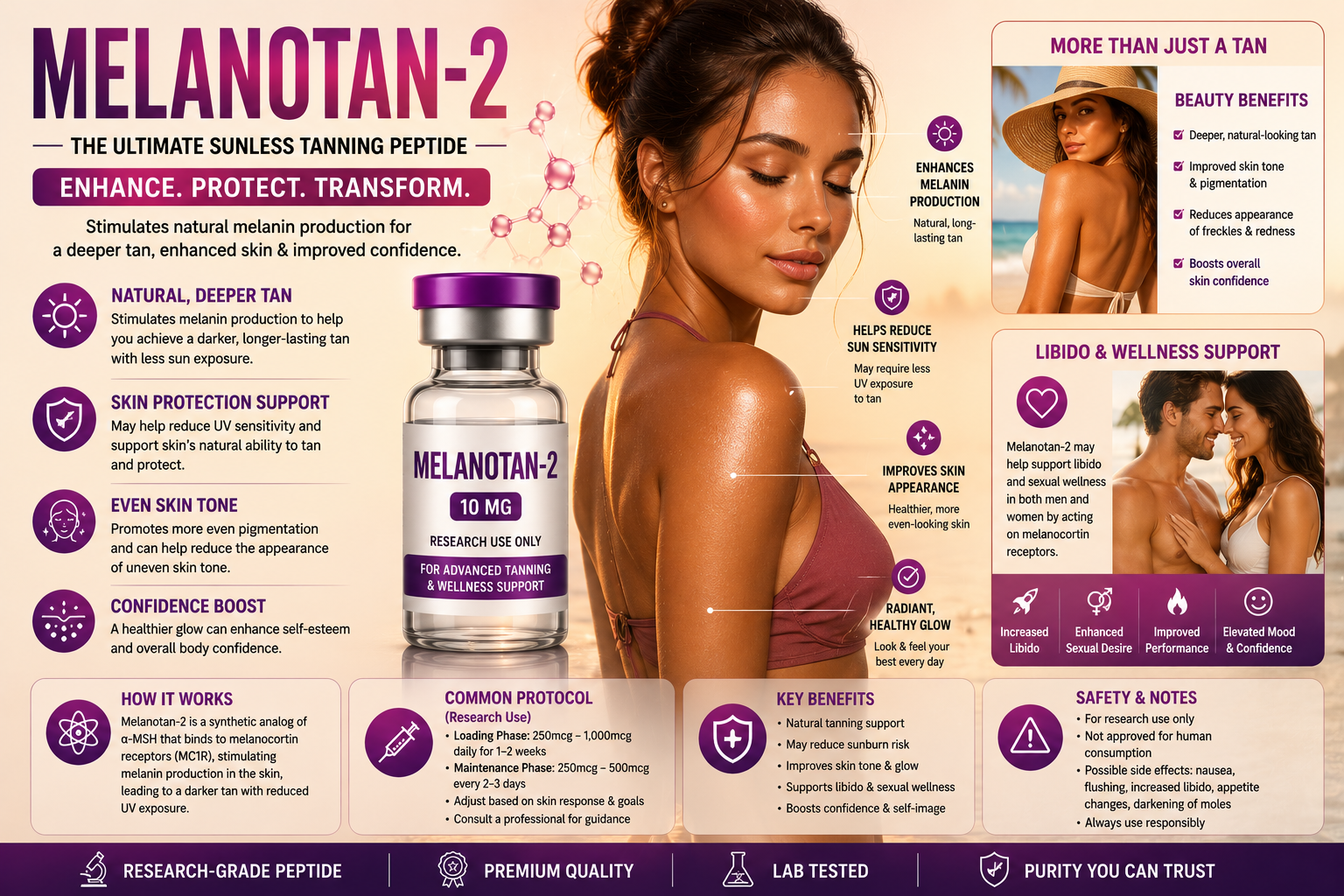
Melanotan-2 is a synthetic analog of alpha-melanocyte-stimulating hormone (α-MSH). It binds to melanocortin receptors, primarily MC1R on melanocytes, stimulating the production of melanin, the pigment responsible for tanning. A deeper tan is the body’s innate protection against UV radiation; Melanotan-2 thus offers a way to achieve photoprotection without extensive sun exposure. This is particularly attractive for individuals with fair skin at high risk of skin cancer. However, Melanotan-2 also activates MC4R in the brain, leading to off-target effects: significant appetite suppression and a potent, sometimes distressing, increase in libido and spontaneous erections. [6]
From an anti-aging perspective, Melanotan-2 is a double-edged sword. On one hand, the increased melanin reduces UV-induced DNA damage, potentially lowering the risk of photoaging and skin cancer. On the other, the peptide’s unregulated use has been associated with new mole formation, darkening of existing nevi, and in rare cases, atypical melanocytic proliferation. The FDA has not approved Melanotan-2 for human use, citing safety concerns. Dosing protocols found online typically involve microgram amounts injected daily until desired tan is achieved, followed by maintenance doses. Due to the risk of nausea and unpredictable effects, this is a peptide that requires extreme caution and medical oversight. Never source it from unverified vendors.
Safety Warning: Melanotan-2 is not legal for cosmetic use in many countries. It can cause severe nausea, facial flushing, and darkening of moles. Long-term cancer risk is unknown. It should never be used without thorough dermatological screening and informed consent.
NAD+: The Cellular Energy Molecule That Rewinds Biological Age
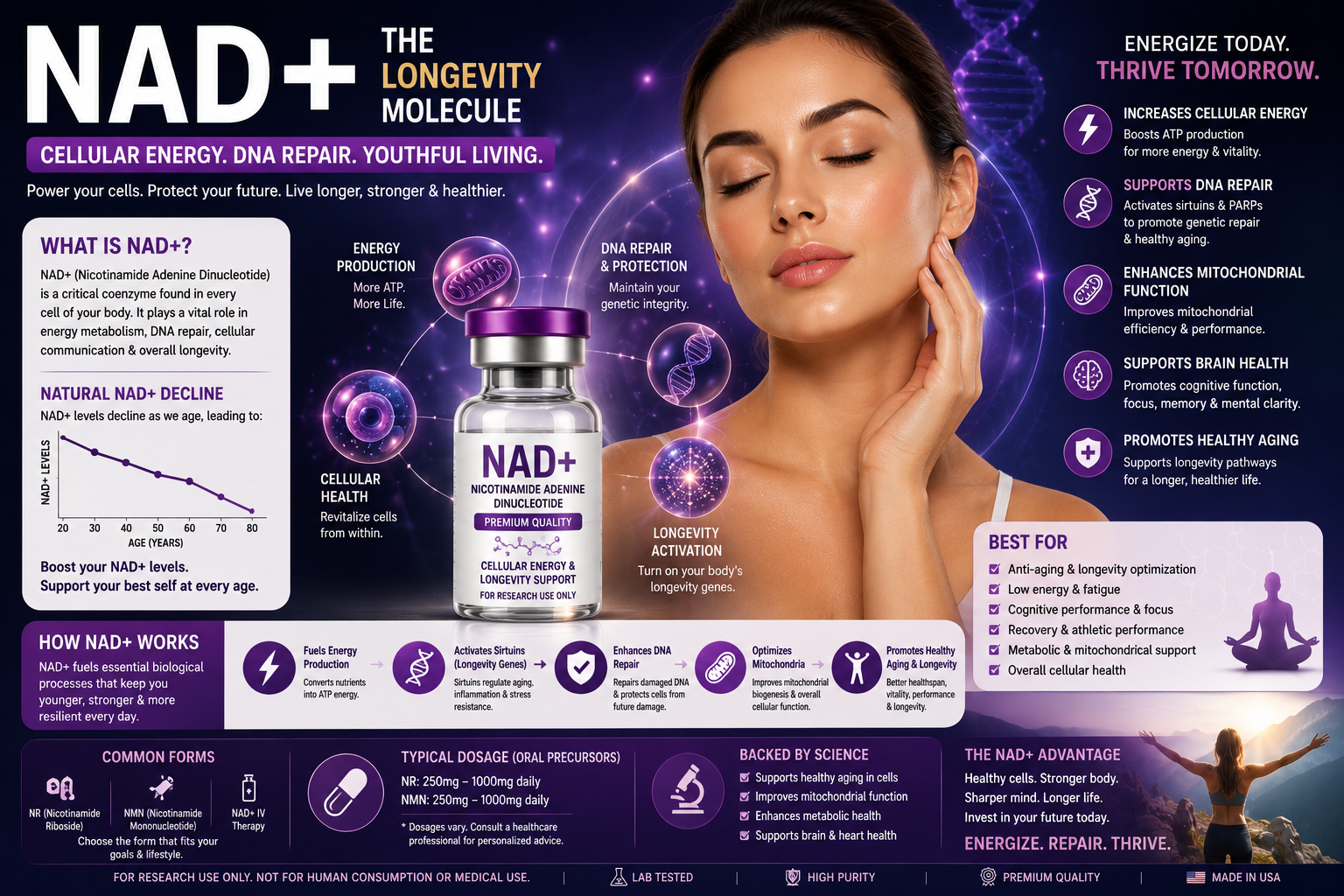
Nicotinamide adenine dinucleotide (NAD+) is not a peptide but a critical coenzyme present in every living cell. It functions as an electron carrier in mitochondrial respiration and as a substrate for sirtuins and poly(ADP-ribose) polymerases (PARPs), which regulate DNA repair, gene expression, and cellular stress resistance. NAD+ levels decline by up to 50% between youth and old age, a collapse linked to nearly every hallmark of aging. Restoring NAD+ has been shown to improve mitochondrial function, reduce inflammatory senescence, and extend healthspan in animal models. [7]
In skin, NAD+ supports the function of keratinocytes and fibroblasts, maintaining the epidermal barrier and dermal thickness. It protects against UV-induced DNA damage by fueling PARP enzymes, and activated sirtuins like SIRT1 suppress matrix metalloproteinases that degrade collagen. Clinically, NAD+ precursors like nicotinamide mononucleotide (NMN) and nicotinamide riboside (NR) are taken orally, while direct intravenous NAD+ is used for intensive anti-aging and addiction recovery protocols. For aesthetic purposes, subcutaneous NAD+ injections, often in combination with glutathione and vitamin B complex, are gaining traction. Doses range from 100-250 mg subcutaneously 2-3 times per week. Side effects include transient flushing, nausea, and in IV administration, vein irritation. The evidence for skin-specific benefits, while mechanistically strong, is still emerging, but its systemic anti-aging credentials are formidable.
Integrating Peptides Into a Comprehensive Anti-Aging Protocol
Using these compounds responsibly requires a holistic strategy. Peptides are not stand-alone solutions; they work best layered on a foundation of sun protection, nutrient-dense diet, stress management, and sleep. A sample integrative protocol might look like this:
| Component | Agent | Goal | Frequency |
|---|---|---|---|
| Skin remodeling & collagen | GHK-Cu 1-2 mg subQ + microneedling with topical GHK-Cu | Reduce wrinkles, firm skin, stimulate hair | Daily subQ for 6-week cycles; microneedling weekly |
| Wound healing & scar reduction | TB-500 2.5 mg subQ | Heal old injuries, improve skin quality | Twice weekly for 4-6 weeks, then maintenance |
| Antioxidant & brightening | Glutathione 600 mg IV or subQ + vitamin C | Lighten hyperpigmentation, detoxify | Weekly |
| Photoprotection (controversial) | Melanotan-2 microdose (if legal and supervised) | Build protective tan, reduce sunburn risk | As per physician protocol; often loading then maintenance |
| Cellular longevity | NAD+ 100 mg subQ or NMN 500 mg oral | Enhance energy, DNA repair, sirtuin activation | 3x weekly subQ; daily oral |
Important: This protocol is illustrative only. Combining multiple peptides increases the risk of adverse interactions. Any regimen must be designed and monitored by a qualified physician experienced in peptide therapeutics. Baseline labs, including liver and kidney function, hormonal panels, and skin cancer screening, are mandatory.
Nutrition and Lifestyle: The True Fountain of Youth
Peptides amplify the results of a healthy lifestyle but cannot compensate for a toxic one. To maximize collagen synthesis, support glutathione production, and maintain NAD+ levels, prioritize:
- Protein-rich diet: Collagen peptides, bone broth, and adequate complete protein provide the amino acids for skin and hair structure.
- Vitamin C: Essential cofactor for collagen hydroxylation; found in citrus, bell peppers, and supplements.
- Zinc and copper: Trace minerals critical for enzymatic reactions in skin and hair. Oysters, grass-fed beef, and pumpkin seeds.
- Polyphenols: Berries, green tea, and dark chocolate support NAD+ and reduce oxidative stress.
- Intermittent fasting or caloric restriction: Shown to increase NAD+ levels and activate autophagy.
- Hydration: Adequate water intake maintains skin turgor.
- Sun protection: Daily broad-spectrum sunscreen prevents the UV damage that overwhelms repair mechanisms.
Myths and Misconceptions in Peptide Anti-Aging
Myth 1: “Topical peptides are enough to replace injectables.”
While topical GHK-Cu and matrixyl serums can improve skin texture, systemic aging requires deeper intervention. Peptides like NAD+ and TB-500 require systemic delivery to reach internal organs and deeper tissues.
Myth 2: “Glutathione injections will make me pale immediately.”
Glutathione lightening is a gradual process over weeks to months. Results depend on baseline skin tone, dose, and concurrent sun exposure. It is not a rapid bleaching agent.
Myth 3: “Melanotan-2 is a safe alternative to sun exposure.”
While it stimulates melanin, it does not provide the same broad-spectrum protection as sunscreen. Unregulated use can lead to atypical nevi and potential melanoma risk. The safety data is insufficient.
Myth 4: “NAD+ supplements will make me look 20 again overnight.”
NAD+ restoration is a long game. Benefits accrue over months through improved metabolism, DNA repair, and epigenetic regulation. It is not a quick fix for wrinkles.
Frequently Asked Questions
Can I combine GHK-Cu and TB-500 in one injection?
They are compatible in solution and often combined in a single syringe for convenience. However, ensure sterility and proper dosing. Some clinics mix them as a “repair blend.”
How long before I see results on hair from GHK-Cu?
Hair growth is slow. Initial reduction in shedding may be noted in 4-6 weeks; new growth typically becomes visible after 3-4 months of consistent use.
Is glutathione safe for long-term use?
When administered at appropriate doses, glutathione has a strong safety record. Extremely high doses or prolonged IV use may cause zinc depletion or exacerbation of asthma in sensitive individuals. Periodic monitoring of liver and kidney function is advised.
What is the best NAD+ precursor for skin health?
Direct subcutaneous NAD+ or its precursor NMN have the most theoretical support for systemic rejuvenation. Oral NR is well-studied but less bioavailable to skin. A combination approach with diet is likely best.
Can Melanotan-2 be used safely under medical supervision?
Some dermatologists in jurisdictions where it is not explicitly illegal prescribe it for specific conditions like erythropoietic protoporphyria. For cosmetic tanning, the risk-benefit profile remains controversial, and many medical bodies advise against it.
Conclusion: Precision Rejuvenation, Not Gimmicks
The best peptides for skin, hair, and anti-aging offer a paradigm shift from masking decline to actively rebuilding. GHK-Cu turns on the genetic programs of youth, TB-500 repairs the scaffolding, Glutathione shields against environmental assault, Melanotan-2 provides an internal photoprotective tan, and NAD+ powers the entire cellular engine. Used thoughtfully under medical guidance, they represent a potent arsenal for regenerative health. But these are not cosmetic shortcuts. They demand respect for their complexity, a commitment to foundational wellness, and a clear-eyed understanding of the risks.
Before considering any peptide, ask yourself: are my diet, sleep, stress management, and exercise already optimized? If not, start there—no molecule can compensate for a neglected foundation. If you proceed, do so in partnership with a skilled clinician, demand pharmaceutical-grade sourcing, and track your biomarkers and results objectively. The pursuit of longevity and beauty is ultimately a pursuit of health, and health must be approached with intelligence, not impulse.
For more science-driven guides on performance, longevity, and regenerative medicine, explore our extensive library. Your future self—vibrant, strong, and radiant—is built on the decisions you make today.
References
- Pickart, L. et al. "GHK and DNA: resetting the human genome to health." BioMed Research International, vol. 2014, 2014, Article ID 151479.
- Finkley, M. B. et al. "Topical copper tripeptide complex in the treatment of aging skin." Dermatologic Surgery, vol. 31, no. 7 Pt 2, 2005, pp. 851-855.
- Goldstein, A. L. et al. "Thymosin β4: a multi-functional regenerative peptide." Expert Opinion on Biological Therapy, vol. 12, no. 1, 2012, pp. 37-51.
- Philip, D. et al. "Thymosin β4 promotes hair growth via stem cell migration and differentiation." Journal of Investigative Dermatology, vol. 124, no. 4, 2005, pp. 788-795.
- Sonthalia, S. et al. "Glutathione as a skin lightening agent: facts, myths, evidence and controversies." Indian Journal of Dermatology, Venereology and Leprology, vol. 82, no. 3, 2016, pp. 262-272.
- Langan, E. A. et al. "Melanocortin peptides and their receptors: potential for novel therapies in dermatology." Dermatology, vol. 230, no. 1, 2015, pp. 5-13.
- Yoshino, J. et al. "NAD+ intermediates: the biology and therapeutic potential of NMN and NR." Cell Metabolism, vol. 27, no. 3, 2018, pp. 513-528.
- Maquart, F. X. et al. "Stimulation of collagen synthesis in fibroblast cultures by the tripeptide-copper complex glycyl-L-histidyl-L-lysine-Cu2+." FEBS Letters, vol. 238, no. 2, 1988, pp. 343-346.
- Goldstein, A. L. & Hannappel, E. "Thymosin β4: actin-sequestering protein moonlights to repair injured tissues." Trends in Molecular Medicine, vol. 11, no. 9, 2005, pp. 421-429.
- Pizzorno, J. "Glutathione!" Integrative Medicine: A Clinician's Journal, vol. 13, no. 1, 2014, pp. 8-12.
- Hadley, M. E. & Dorr, R. T. "Melanocortin peptides: biology and therapeutic potential." Peptides, vol. 27, no. 2, 2006, pp. 325-336.
- Cantó, C. et al. "NAD+ metabolism and the control of energy homeostasis: a balancing act between mitochondria and the nucleus." Cell Metabolism, vol. 22, no. 1, 2015, pp. 31-53.
- Pickart, L. "The human tri-peptide GHK and tissue remodeling." Journal of Biomaterials Science, Polymer Edition, vol. 19, no. 8, 2008, pp. 969-988.
- Malinda, K. M. et al. "Thymosin β4 accelerates wound healing." Journal of Investigative Dermatology, vol. 113, no. 3, 1999, pp. 364-368.
- Exner, R. et al. "The role of glutathione in skin lightening." Journal of Cosmetic Dermatology, vol. 16, no. 2, 2017, pp. 185-190.
- Evans, B. A. et al. "The use of Melanotan II in the treatment of sexual dysfunction." Expert Opinion on Pharmacotherapy, vol. 7, no. 11, 2006, pp. 1477-1485.
- Imai, S. & Guarente, L. "NAD+ and sirtuins in aging and disease." Trends in Cell Biology, vol. 24, no. 8, 2014, pp. 464-471.
- Schagen, S. K. et al. "Discovering the link between nutrition and skin aging." Dermato-Endocrinology, vol. 4, no. 3, 2012, pp. 298-307.
Share