How to Read Nutrition Labels: The Ultimate Guide to Smarter Food Choices, Fitness Goals & Supplement Awareness
By Artemis_strength•May 25, 2026•8 min read
How to Read Nutrition Labels: The Ultimate Guide to Smarter Food Choices, Fitness Goals & Supplement Awareness
Walk down any grocery aisle and you’re bombarded with labels screaming “high protein,” “low fat,” “keto-friendly,” or “all-natural.” For the fitness-minded individual, these claims can either accelerate your progress or sabotage months of hard work. Yet the true power lies not in the front-of-pack marketing, but in the black-and-white panel on the back. Learning how to read nutrition labels is the single most underrated skill for anyone serious about fat loss, muscle gain, athletic performance, or overall health. In my 16 years as a sports nutritionist and strength coach, I’ve watched clients transform their physiques simply by mastering this one habit—turning the package around.
This guide goes far beyond counting calories. You’ll discover how to dissect a nutrition facts panel like a clinical researcher, spot the dirty tricks in ingredient lists, align numbers with specific fitness goals, and even decode the often-confusing Supplement Facts label. We’ll bust persistent myths, provide actionable 5-step systems, and hand you a reference table to keep on your phone. By the end, you will possess the label literacy of a premium fitness editor and the sharp eye of a supplement quality auditor. Your grocery cart—and your body—will never be the same.
The Anatomy of a Nutrition Label: What Every Fitness Enthusiast Must Know
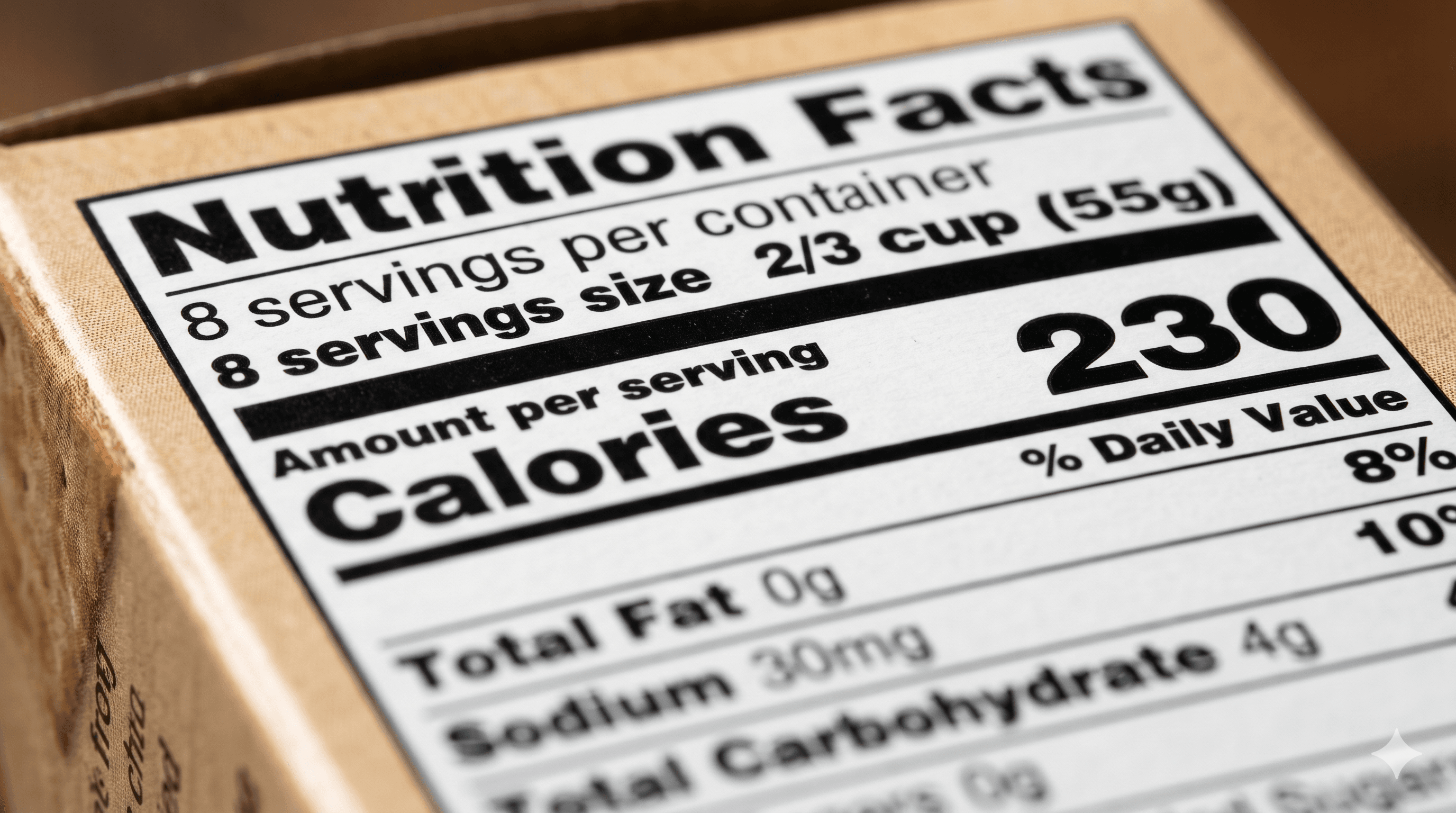
Before we interpret values for muscle growth or fat loss, you need a rock-solid understanding of each line on the updated Nutrition Facts panel. The FDA’s 2016 revision, fully implemented in 2020, made significant changes to reflect modern eating habits—larger portion sizes and a new “Added Sugars” line, for instance. [1] Let’s break down the anatomy, because missing a single element can derail your macro calculations.
Serving Size: The Foundation of Label Literacy
At the very top sits the serving size, and it’s the number one cause of accidental overeating. A “small” bag of trail mix might list 150 calories per 30-gram serving, but if the bag contains three servings and you eat it all post-workout, you’ve just consumed 450 calories—without even realizing it. The updated labels now reflect amounts people actually consume, rather than what they “should” eat. Still, always check the servings per container. In a fitness context, if you’re weighing food (and you should be for precise macro tracking), the gram weight listed next to the serving size—like “1 cup (55 g)”—becomes your anchor. Use a digital scale to match that 55 g, not the volumetric cup measure, which can be wildly inaccurate due to settling and air pockets.
Pro Tip: When calculating macros for a recipe, always work from the gram weight, not the cup measurement. A cup of finely ground almond flour weighs significantly more than a cup of coarsely ground, altering your carb and fat intake.
Calories: Energy Currency for Your Goals
Calories are the raw energy number, but they don’t tell the whole story. A 200-calorie protein bar and a 200-calorie candy bar have profoundly different effects on satiety, muscle protein synthesis, and blood sugar. Use calories as a budget framework: to lose fat, most active individuals need a deficit of 300–500 kcal from maintenance; to build muscle, a surplus of 200–400 kcal. [2] However, the quality of those calories determines whether the weight you gain is lean mass or fat. I teach clients to view the calorie line as a gatekeeper—stay within your daily budget, but then immediately scrutinize the macronutrient and ingredient quality to decide if the food earns its place.
Macronutrient Breakdown: Protein, Carbs, Fats
The macronutrient section is where fitness goals come alive. Here’s how to interpret each for your specific objective:
- Total Fat: Look beyond the total. The breakdown into saturated, polyunsaturated, and monounsaturated fats matters for hormone health and inflammation control. Avoid trans fats entirely. For fat loss, moderate fat intake (0.5–0.8 g per pound of body weight) supports testosterone and vitamin absorption.
- Cholesterol: Dietary cholesterol no longer carries a strict warning for most people, as the 2015–2020 Dietary Guidelines removed the 300 mg daily limit. However, individuals with familial hypercholesterolemia or specific cardiovascular risks should monitor intake. [3]
- Sodium: Crucial for athletes and those who sweat heavily. High sodium can cause water retention, but too little can impair muscle contraction and lead to cramps. The label’s % Daily Value assumes a 2,300 mg limit; adjust upward if you’re losing significant sodium through training.
- Total Carbohydrate: This number lumps together fiber, sugar, and added sugar. For physique-oriented goals, net carbs matter most—calculated as total carbs minus fiber (and sugar alcohols, with caveats). Fiber is your ally for satiety and gut health; added sugar is your enemy for body composition and inflammation.
- Protein: Perhaps the single most important line for muscle building and recovery. Look for the gram amount, and then check the protein-per-calorie ratio. A good rule of thumb for a high-protein food: at least 10 grams of protein per 100 calories. For example, a 150-calorie Greek yogurt cup with 18 g of protein passes the test brilliantly.
| Nutrient | Granola (per 55 g serving) | Rolled Oats + Nuts (55 g) | Coach’s Verdict |
|---|---|---|---|
| Calories | 260 | 190 | Granola often carries added oils and sugars |
| Total Fat | 12 g (saturated 2 g) | 7 g (mostly unsaturated) | Better fat profile from whole nuts |
| Carbohydrates | 35 g (fiber 3 g, added sugars 11 g) | 30 g (fiber 5 g, added sugars 0 g) | Added sugar is the hidden calorie bomb |
| Protein | 5 g | 7 g | Whole food version wins on protein density |
Decoding Micronutrients: Vitamins & Minerals That Power Performance
The lower section of the Nutrition Facts panel lists vitamin D, calcium, iron, and potassium—four nutrients the FDA considers public health priorities. For athletes and fitness enthusiasts, these are non-negotiable. Vitamin D acts more like a hormone, influencing testosterone levels, immune function, and bone density. A 2021 meta-analysis found that athletes with sufficient vitamin D levels had lower injury rates and improved muscle function. [4] Calcium and potassium work together in nerve signaling and muscle contraction; a deficiency can cause cramping and impaired strength output. Iron, particularly for female athletes and those doing high-impact training, is essential for oxygen transport—chronic low iron manifests as fatigue and poor endurance.
While the % Daily Value can guide you, remember it’s based on a 2,000-calorie diet. A 180-pound male bodybuilder consuming 3,200 calories will need far more micronutrient support. Use the label as a baseline, but don’t rely on it alone. Prioritize whole foods rich in these nutrients, and consider blood testing twice a year to identify specific gaps that might warrant supplementation.
The Ingredients List: The Real Story Behind the Food
If the Nutrition Facts are the car’s dashboard, the ingredients list is the engine. Ingredients are listed in descending order by weight. The first three ingredients usually define the product. Here’s what to scan for immediately:
- Sugar aliases: Dextrose, maltodextrin, brown rice syrup, agave nectar, evaporated cane juice—manufacturers use over 50 different names to disguise added sugars. If any of these appear in the top five, treat the item as a dessert, not a staple.
- Refined grains: “Enriched wheat flour” means the fiber and germ have been stripped away, leaving quick-digesting starch. Look for “100% whole grain” or specific grains like “stone-ground oats.”
- Hydrogenated or partially hydrogenated oils: Trans fats in disguise. Even if the label says “0 g trans fat,” the FDA allows rounding down if it’s less than 0.5 g per serving, so the ingredient list is your only truthful source.
- Artificial sweeteners and sugar alcohols: Sucralose, aspartame, erythritol, maltitol. Their effects on insulin and gut health vary widely among individuals. For fitness, they can help satisfy sweet cravings without calories, but some people experience bloating that hinders performance.
Watch Out: “Natural Flavors” is a catch-all term that can include dozens of chemical compounds derived from natural sources but heavily processed. While generally safe, they give no nutritional benefit and may mask the absence of real fruit or spices.
Nutrition Labels for Specific Fitness Goals
Now that you can read every line, let’s apply the numbers to common fitness objectives. The same bag of rice cakes can be a perfect pre-workout carb for one person and a fat-loss sabotage for another, depending on context.
Muscle Building & Protein Optimization
When hypertrophy is the priority, your label focus narrows sharply: protein content per serving, leucine availability, and the carbohydrate-to-protein ratio for post-workout recovery. Aim for a protein source that provides at least 2.5 grams of leucine per serving—this triggers mTOR, the muscle-building pathway. [5] While leucine isn’t listed on standard food labels, animal proteins like whey, casein, chicken, and eggs naturally contain sufficient amounts. For plant-based builders, you’ll need to check the ingredient list for complementary sources (pea and rice protein blend, for instance) to ensure a complete amino acid profile.
Also scan the carbohydrates. Post-training, a 2:1 or 3:1 carb-to-protein ratio can speed glycogen replenishment without spilling over into fat gain. Look for whole food sources with that ratio, like a smoothie bowl with banana, oat milk, and whey. Use the label to calculate exactly how many grams of each macronutrient you’re consuming in that critical anabolic window.
Fat Loss & Calorie Deficit Mastery
For fat loss, your label-reading strategy becomes one of volumetric efficiency. You want foods that deliver high volume, fiber, and protein per calorie. The “fiber” line is paramount—every 10 grams of fiber adds roughly 30–40 calories’ worth of satiety that your body cannot fully absorb. [6] Scan for products where fiber exceeds 5 g per serving and added sugars stay under 2 g. This combination slows gastric emptying and keeps hunger hormones like ghrelin in check.
Beware of “low-fat” items. When fat is removed, manufacturers often add sugar and thickeners to mimic mouthfeel. A classic low-fat yogurt may list 0 g fat but 18 g of added sugar—directly undermining fat loss. Instead, choose full-fat or 2% versions with no added sugar; the fat increases satiety and steadies blood glucose, making the slightly higher calorie count a smarter investment.
Endurance & Carb Loading
Endurance athletes need a different lens. Here, total carbohydrate and sodium content take center stage. Before a long run or ride, look for easily digestible carb sources—rice cakes, white breads, sports gels. The label’s fiber count should be low to prevent gastrointestinal distress. During exercise, the sodium line guides electrolyte replacement; a typical sports drink should provide at least 100 mg sodium per 8 oz. Post-event, the protein-to-carb ratio is less critical than total calories and fluid, but a label revealing 15–25 g of protein alongside 60–90 g of carbohydrates will accelerate recovery.
Supplement Facts Panel vs. Nutrition Facts: Key Differences
Supplements are regulated differently than conventional foods, and their panels reflect that. Instead of “Nutrition Facts,” you’ll see “Supplement Facts.” The differences are subtle but crucial for the informed consumer:
- Serving size: Often listed in scoops, capsules, or tablets, not household measures.
- Dietary ingredients: Instead of macronutrients, you’ll see a list of active compounds—like creatine monohydrate 5 g, caffeine 200 mg—and their % Daily Values are often absent because there’s no established DV for many botanicals or ergogenic aids.
- Proprietary blends: This is the landmine. A manufacturer can lump multiple ingredients into one “proprietary blend” and only list the total weight, not the individual amounts. You might see “Pump Matrix 3,000 mg (L-citrulline, beta-alanine, agmatine sulfate)” but have no clue how much of each you’re getting. Avoid blends where the active dose needs precision—like citrulline malate, which requires 6–8 g for efficacy. If you can’t verify the effective dose, choose a transparent competitor.
Coach’s Buying Rule: Only purchase supplements whose labels disclose the exact milligram amount of each active ingredient, third-party tested by NSF, Informed-Sport, or USP. A transparent label is a proxy for a trustworthy brand.
Additionally, supplements can carry structure-function claims (“supports healthy testosterone levels”) that are not FDA-approved. Use the label to verify the science: cross-reference the listed ingredients with PubMed or Examine.com to confirm they do what the bottle promises at the given dose. No label claim substitutes for independent research.
Common Label Myths That Sabotage Your Progress
Marketing departments thrive on half-truths. These myths persist even among experienced gym-goers, and they can stall your progress or harm your health.
Myth 1: “Sugar-Free” Means Healthy
Sugar-free products often contain sugar alcohols or artificial sweeteners. Maltitol, for instance, has a glycemic index nearly as high as sugar in some individuals and can cause severe digestive upset. [7] Always check the ingredient list for the specific sweetener and research its impact on your blood glucose. A “sugar-free” protein bar might still deliver 20 g of carbs from maltitol, sabotaging ketogenic goals.
Myth 2: “Natural” Equals Better
The term “natural” is not clearly defined by the FDA regarding food production or nutritional quality. A product labeled “all-natural” can still contain high-fructose corn syrup (HFCS is made from corn, a natural ingredient). Don’t be seduced by the word; let the ingredient list be your final authority.
Myth 3: All Fats Are Bad for Performance
The fear of dietary fat, leftover from the 90s, still leads some athletes to choose fat-free dressings and avoid egg yolks. However, monounsaturated and omega-3 fats are critical for reducing inflammation, supporting joint health, and producing anabolic hormones. When reading the label, ignore the total fat number in isolation and dissect the types. A food with 15 g of fat, but 12 g from almonds and omega-3s, is a superfood—not a diet killer.
Practical 5-Step System to Read Labels Like a Pro in 30 Seconds
Put this plan into practice every time you pick up a package. You’ll quickly filter out junk and identify muscle-building, fat-burning gold.
- Check the serving size and servings per container. Mentally multiply if you plan to eat the whole package. This prevents the “healthy soup” scenario where you consume 1,800 mg of sodium from a can labeled “low sodium per serving.”
- Scan calories per serving, then protein, fiber, and added sugar. Form your initial judgment: does the protein content justify the calories? Is the fiber high enough to moderate blood sugar? Is added sugar low or zero?
- Look at the ingredient list’s first five items. If you see sugar aliases, refined flours, or oils you can’t pronounce, put it back. If you see whole foods, a protein source, and fiber-rich grains, it’s a contender.
- Evaluate sodium against your activity level. Heavy sweater? Higher sodium may be needed. Desk-bound rest day? Keep sodium moderate to avoid water retention and blood pressure spikes.
- Flip for any “proprietary” nonsense. If it’s a supplement and hides behind a blend, choose an alternative that discloses the full formula.
FAQ: Your Nutrition Label Questions Answered
Should I count net carbs or total carbs?
For most fitness goals, net carbs (total carbs minus fiber and most sugar alcohols) is more accurate, because fiber does not raise blood sugar and feeds gut bacteria. However, some sugar alcohols like maltitol still spike glucose; subtract only half of maltitol grams if you’re strictly monitoring ketosis or insulin. [8] When in doubt, use total carbs to be safe, especially during a cutting phase.
How important is the % Daily Value on a fitness-focused diet?
It’s a rough compass, not a GPS. The %DV is calculated for a 2,000-calorie diet, which is likely much lower than what an active 200-pound man needs. Use it as a general guide for micronutrients (vitamin D, iron, calcium) but ignore it for macronutrients. A 15% DV for sodium might be half your actual target if you’re sweating buckets during two-a-days.
Can I trust “0 g trans fat” claims?
No. The FDA allows a product to claim 0 g if it contains less than 0.5 g per serving. If “partially hydrogenated oil” appears in the ingredients, the product contains trans fat, however small. Over multiple servings, this accumulates and contributes to inflammation and cardiovascular risk. [9]
How do I read labels for pre-workout supplements?
Scrutinize the stimulant content (caffeine anhydrous, theacrine) and vasodilators (citrulline, arginine). Ensure the doses align with research: 3–6 mg of caffeine per kilogram of body weight, 6–8 g citrulline malate. If proprietary blends hide individual amounts, skip it. Also, check for excessive B vitamins that only produce expensive urine. Stick to brands with clear, research-backed dosing.
What does “may contain traces of” mean for an athlete subject to drug testing?
This allergen warning indicates possible cross-contamination during manufacturing. For competitive athletes, it can be a red flag. Supplements produced in facilities that also process banned substances could lead to inadvertent doping positives. Look for products with third-party certifications like Informed-Sport, which test every batch for WADA-banned substances. [10]
Conclusion: Master the Label, Master Your Health
Reading a nutrition label is no longer a passive glance at calories. It is a sophisticated skill that, when honed, allows you to build your ideal body with surgical precision. You can now dissect added sugars masked by marketing, spot the protein-to-energy ratio that supports muscle retention, and avoid the supplement traps that drain your wallet without delivering results. Every time you invert a package and scan the numbers, you reclaim control over your nutrition destiny.
Action cements learning. Today, pull five items from your pantry and practice the 5-step system on each. Notice how your perception shifts when you see a “protein” granola that’s really a sugar bomb or a “sports” drink that lacks sodium. Bookmark this guide, screenshot the comparison table, and make it a non-negotiable habit before any purchase. The label is your daily cheat sheet to superior body composition, sustained energy, and a lifetime of informed eating. Now, take this knowledge into the supermarket and train your label-reading muscle until it becomes second nature.
References
- U.S. Food and Drug Administration. Changes to the Nutrition Facts Label. (2016).
- Slater, G. et al. "Nutrition guidelines for strength sports: Sprinting, weightlifting, throwing events, and bodybuilding." Journal of Sports Sciences (2019).
- U.S. Department of Health and Human Services and U.S. Department of Agriculture. 2015–2020 Dietary Guidelines for Americans. 8th Edition.
- Owens, D. J. et al. "Vitamin D and the athlete: Current perspectives and new challenges." Sports Medicine (2018).
- Jäger, R. et al. "International Society of Sports Nutrition Position Stand: protein and exercise." Journal of the International Society of Sports Nutrition (2017).
- Howarth, N. C. et al. "Dietary fiber and weight regulation." Nutrition Reviews (2001).
- Mäkinen, K. K. "Gastrointestinal disturbances associated with the consumption of sugar alcohols with special consideration of xylitol: Scientific review and instructions for dentists and other health-care professionals." International Journal of Dentistry (2016).
- Livesey, G. "Health potential of polyols as sugar replacers, with emphasis on low glycaemic properties." Nutrition Research Reviews (2003).
- Mozaffarian, D. et al. "Trans fatty acids and cardiovascular disease." New England Journal of Medicine (2006).
- The World Anti-Doping Agency (WADA). 2024 Prohibited List. www.wada-ama.org.
Share