
Is Whey Protein Safe for Older Adults with Weak Digestion? Science-Backed Guide to Tolerance, Types & Benefits
By Artemis_strength•13 min read
Is Whey Protein Safe for Older Adults with Weak Digestion? Science-Backed Guide to Tolerance, Types & Benefits

If you’re over 60 and your stomach feels more sensitive than it used to, you may have wondered whether a protein supplement like whey could do more harm than good. Bloating, gas, or past issues with dairy can make the idea of downing a shake intimidating. The good news, backed by sports nutrition science and geriatric research, is that whey protein can be not only safe but exceptionally beneficial for older adults—provided you choose the right type and introduce it intelligently. In this guide, we’ll walk through exactly how aging alters digestion, which whey variants settle easiest, and how to make every gram work for your muscles without upsetting your gut.
Why Protein Intake Matters After 50
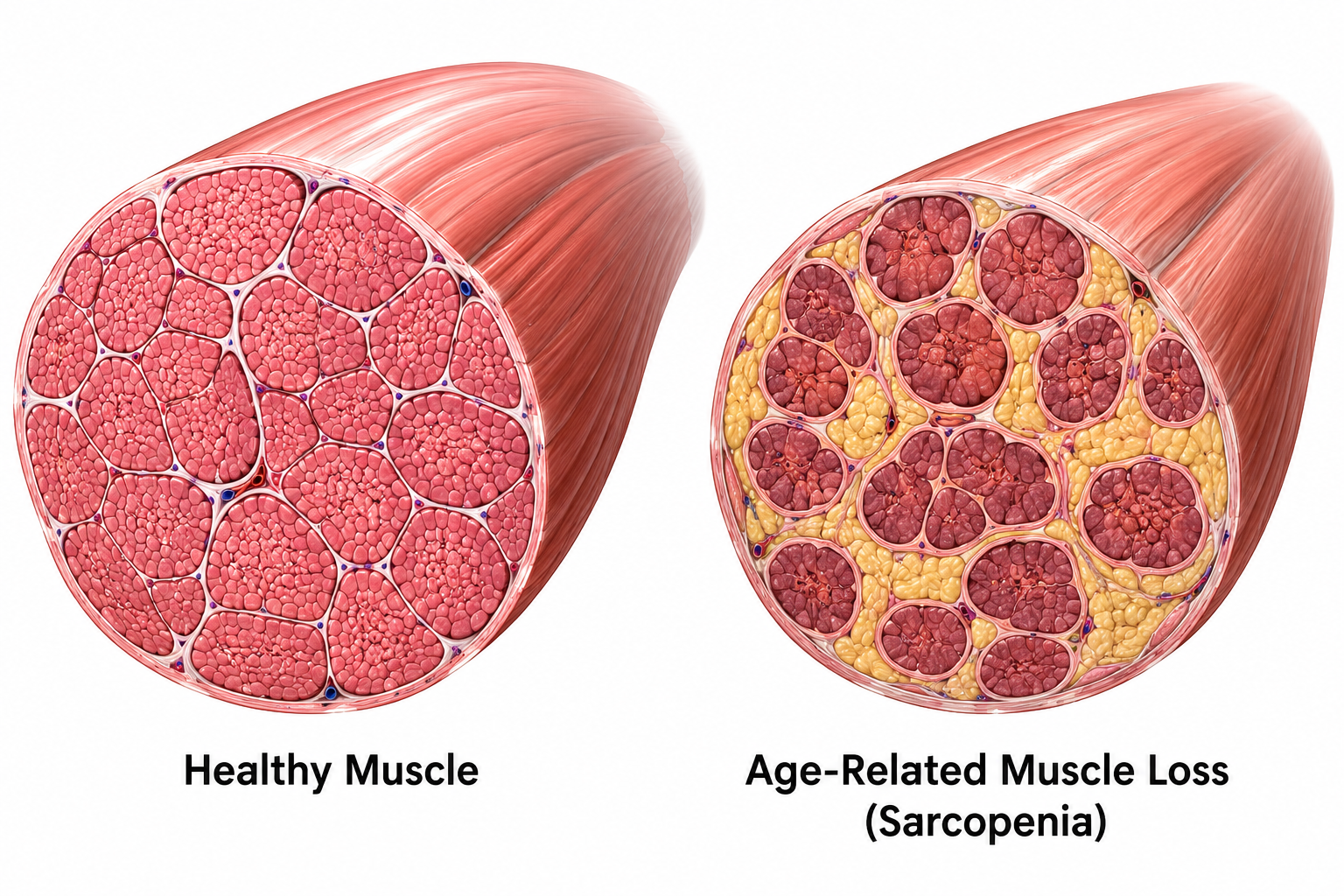
Age-related muscle loss—sarcopenia—begins as early as the fourth decade and accelerates after 60. Research suggests that adults over 65 can lose up to 1–2% of their muscle mass per year, directly affecting strength, mobility, and metabolic health. The older paradigm of the RDA (0.8 g/kg/day) simply isn’t enough to counteract this decline. A 2014 clinical study by Deutz et al. in Clinical Nutrition concluded that older adults need at least 1.2–1.5 g of protein per kilogram of body weight daily to support muscle retention and functional recovery. Whey, with its rapid absorption and high leucine content, provides the precise anabolic trigger that aging muscles require to synthesize new protein—something many whole-food meals alone may fail to achieve efficiently in seniors with reduced appetite.
Key Insight: The amino acid leucine acts as a master switch for muscle protein synthesis. Older muscles exhibit “anabolic resistance,” meaning they need a higher per-meal leucine dose (around 2.5–3 g) to stimulate growth. Whey protein naturally delivers ~2.6 g of leucine per 25 g scoop, making it a powerful tool against sarcopenia.
The Aging Digestive System: Why Tolerance Drops
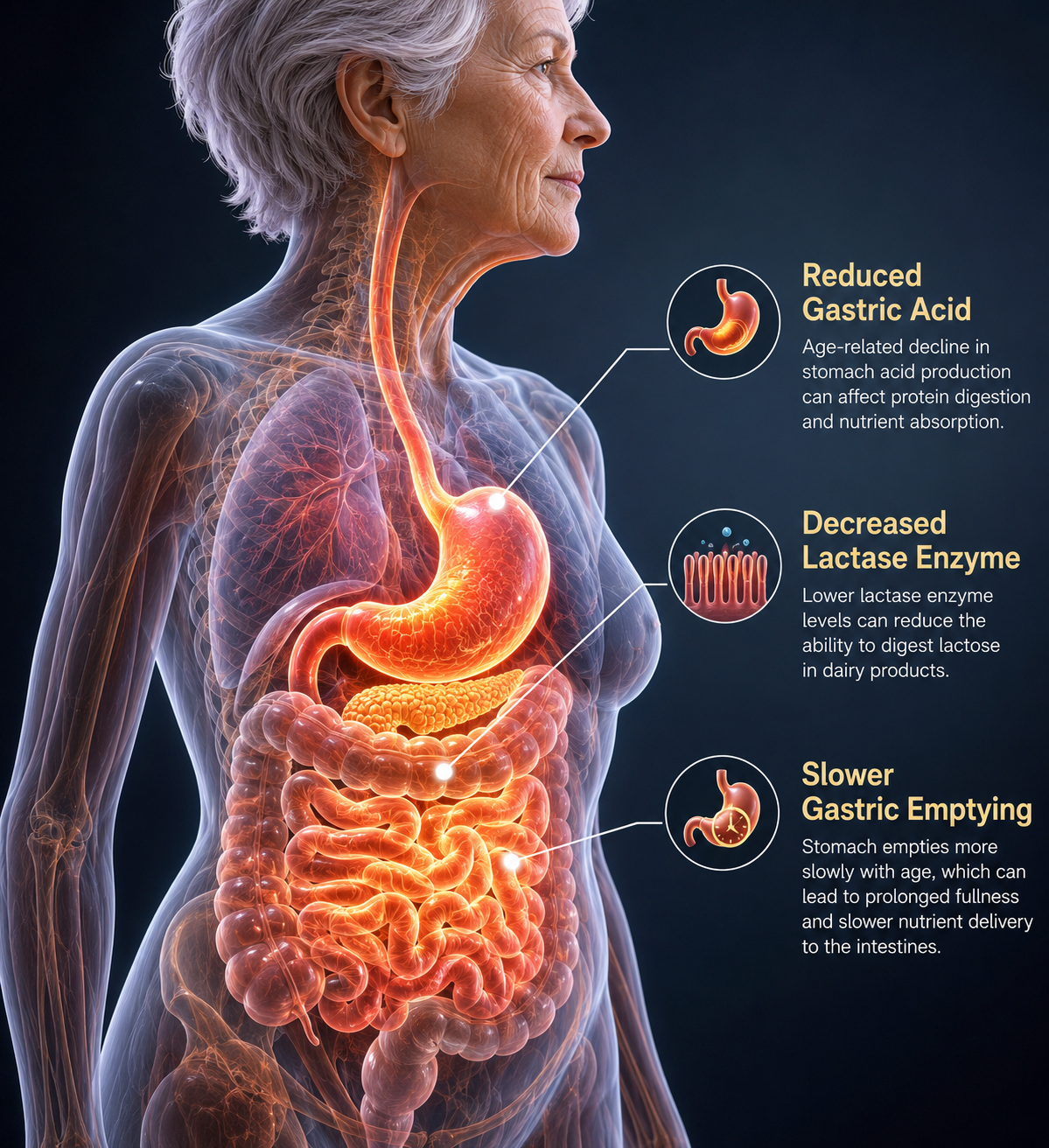
Gastrointestinal function naturally shifts with age. Key changes include:
- Hypochlorhydria: Stomach acid production often declines, impairing protein digestion and increasing the risk of gas or bloating from undigested food.
- Lactase decline: Lactase enzyme activity can drop, leading to lactose intolerance symptoms even if you tolerated dairy in your youth.
- Slower gastric emptying: Food and liquids sit longer in the stomach, sometimes causing reflux or a heavy sensation.
- Altered gut microbiota: The balance of beneficial bacteria can shift, influencing how you ferment dietary substrates.
Because standard whey concentrates contain about 4–5% lactose, these changes can make a seemingly innocent shake a source of significant discomfort. However, this doesn’t mean you must avoid whey entirely—it simply underscores the importance of selecting a more advanced, lower-lactose form.
Whey Protein Types and Digestibility: A Science-Backed Breakdown
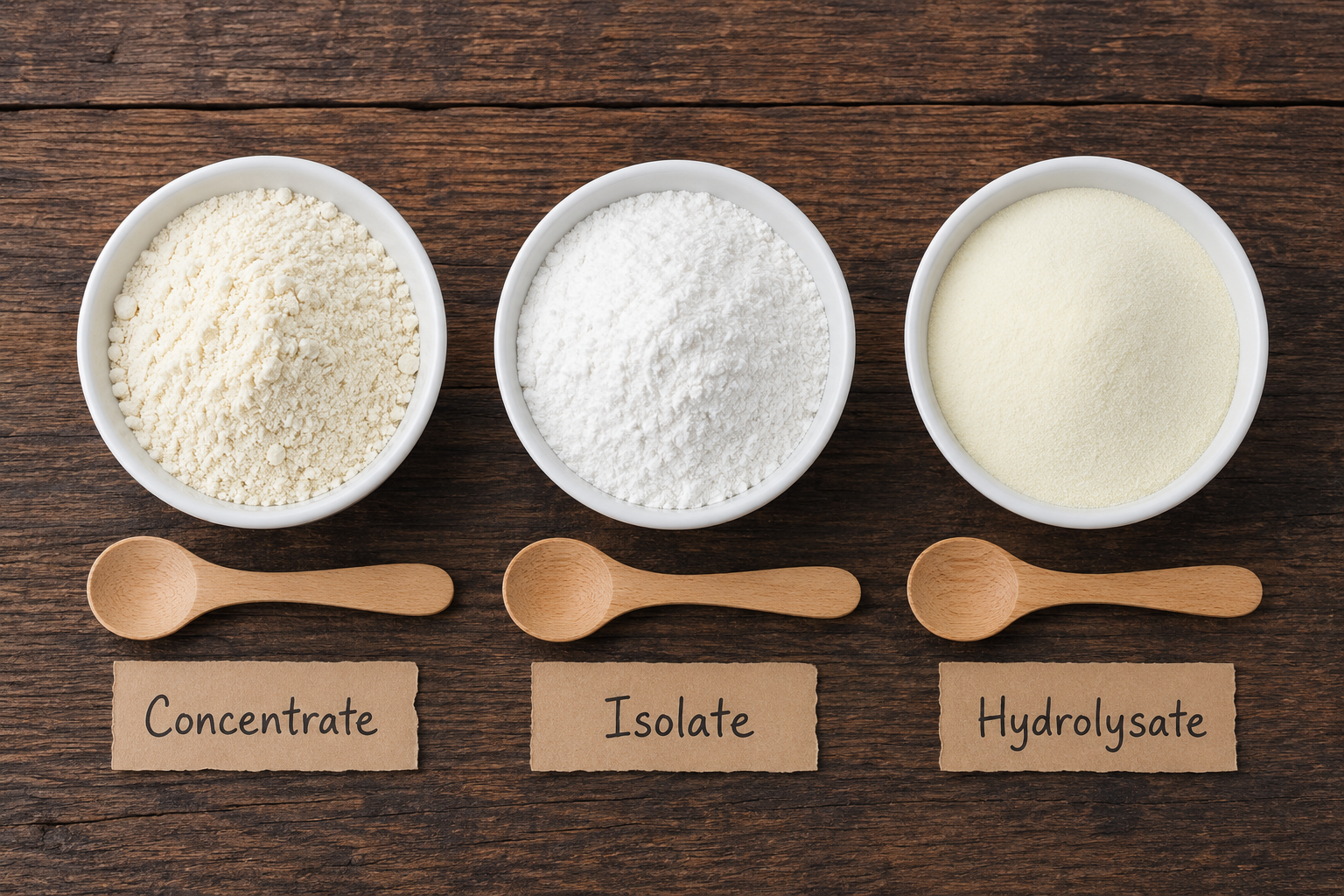
Not all whey is created equal. The manufacturing process determines lactose, fat, and peptide size, all of which influence gut comfort. Use the table below to understand the differences at a glance.
| Whey Type | Protein Content | Lactose per Serving | Digestibility & Tolerance | Ideal For |
|---|---|---|---|---|
| Whey Concentrate | 70–80% | ~3–4 g | Moderate; may cause issues in lactase-deficient individuals | Those with no dairy sensitivity looking for a budget option |
| Whey Isolate | 90%+ | <0.5 g | High; ultralow lactose, well tolerated in most sensitive guts | Older adults with mild to moderate digestive concerns |
| Whey Hydrolysate | 90%+ | Trace | Excellent; predigested peptides ease absorption, fastest gastric emptying | Severely sensitive stomachs, post-surgery, or clinical use |
| Clear Whey Isolate (Fruit-Based) | ~85% | 0 g | Very high; light, juice-like consistency avoids creamy mouthfeel | Those who dislike milky shakes and want rapid absorption |
Pro Tip: If you’re trying whey for the first time in years, start with a microdosed isolate—just 1/4 scoop (about 6–7 g of protein)—mixed in 4–6 ounces of water. This tiny dose lets your gut adapt without overwhelming it.
How to Safely Introduce Whey if You Have a Sensitive Stomach
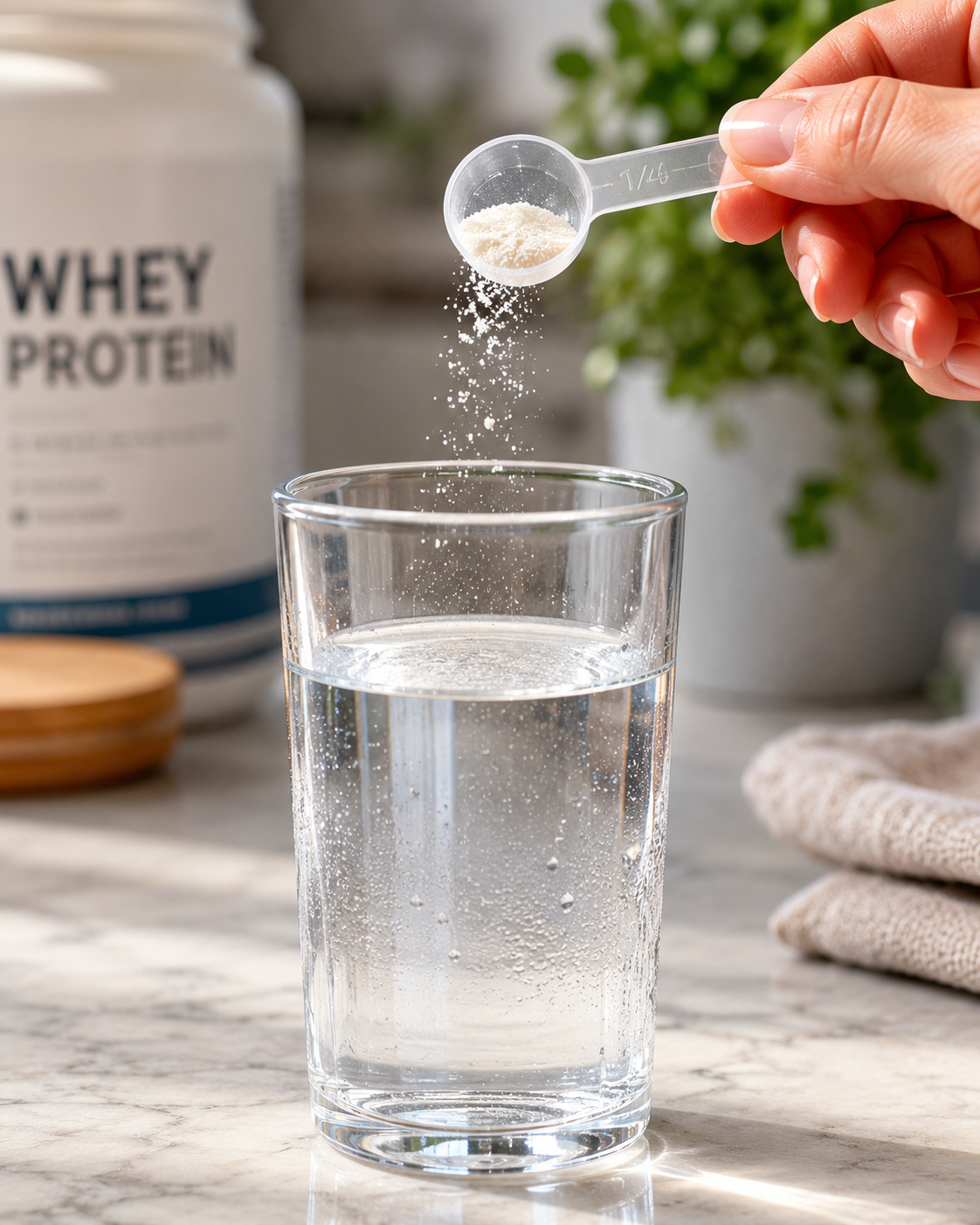
Even the cleanest isolate can cause bloating if the approach is too aggressive. Follow these evidence-based steps to train your digestive system:
- Start with a partial dose: 5–8 grams of protein is enough to test tolerance. Gradually increase by the same amount every 3–4 days.
- Pair with a small carbohydrate source: Half a banana or a plain rice cake slows gastric transit slightly, reducing rapid fermentation and bloating.
- Consume with food, not on an empty stomach: Mix your whey into oatmeal, yogurt (if tolerated), or a blended soup to buffer stomach acid interactions.
- Use room temperature or warm liquid: Cold shakes can shock a sensitive gut. Slightly warm water (30–35°C) improves mixability and may feel gentler.
- Consider digestive enzymes: A broad-spectrum enzyme blend with lactase and proteases, taken 5 minutes before your shake, can dramatically reduce discomfort (see table below).
- Track symptoms: Keep a simple food-symptom diary for two weeks to identify patterns and dial in your perfect dose.
Warning: If you have a history of chronic kidney disease, advanced liver disease, or cow’s milk protein allergy (not just lactose intolerance), whey protein may be contraindicated. Always obtain clearance from your nephrologist or gastroenterologist before supplementing.
Myths vs. Facts: Kidney Damage, Bone Loss, and More
“Whey protein will damage my kidneys at my age.”
Fact: A 2018 systematic review in Nutrients analyzed protein intakes up to 3.3 g/kg/day in healthy individuals and found no negative impact on renal function. The concern originates from outdated studies on patients with pre-existing kidney disease. For healthy older adults, whey protein within the recommended 1.2–1.5 g/kg total daily intake is safe.
“Protein makes your bones brittle.”
Fact: This myth comes from the “acid-ash hypothesis,” which has been debunked by modern research. A 2019 meta-analysis in Osteoporosis International showed that higher protein intakes are actually associated with higher bone mineral density and reduced hip fracture risk in the elderly. Whey’s rich content of amino acids like lysine enhances calcium absorption.
Supplement Support: Digestive Enzymes & Probiotics

For many older adults, adding a specific digestive aid can make the difference between abandoning protein supplements and thriving on them. The following table outlines the most relevant enzymes and supportive bacteria.
| Supplement | Mechanism | Suggested Dose & Timing |
|---|---|---|
| Lactase (β-galactosidase) | Breaks down residual lactose in whey concentrate or isolate | 500–1000 FCC units 5 min before shake |
| Protease (multi-spectrum) | Pre-digests whey peptides, easing the burden on stomach acid | 50,000–100,000 HUT with meal |
| Alpha-galactosidase | Reduces gas production from any fermentable carbohydrates | 300–450 GalU before shake |
| Lactobacillus acidophilus & Bifidobacterium lactis | Improve overall lactose metabolism and gut barrier integrity over time | 10 billion CFU daily with food |
Experience Note: In my coaching practice, clients over 70 with a decade of dairy avoidance often transition to a high-quality isolate paired with a lactase enzyme within two weeks, reporting zero bloat and improved energy levels.
Frequently Asked Questions
Is whey protein safe for a 75-year-old with acid reflux?
Generally yes, if you choose a non-acidic clear whey isolate or hydrolysate and take it with a small meal rather than on an empty stomach. Avoid chocolate-flavored variants—cocoa can relax the esophageal sphincter. A hydrolysate mixed in lukewarm oatmeal is often exceptionally well tolerated.
How can I tell if my whey protein contains hidden lactose?
Read the supplement facts panel. True whey isolate should contain less than 1 g of carbohydrate per serving, nearly all from trace sugars. If you see “whey protein blend” on the label, it often contains concentrate. Opt for products third-party tested for purity with a Certificate of Analysis.
Can I use whey protein if I take blood thinners?
Whey itself doesn’t interfere with warfarin or DOACs, but the vitamin K content is negligible. Still, always consult your prescribing doctor, as sudden changes in overall protein intake can alter albumin levels and subtly affect drug binding.
What is the best time of day for a senior to take whey for digestion?
Mid-morning or post-breakfast tends to be ideal. Avoid taking whey late at night when gastric motility is slowest; this can cause overnight reflux. Post-exercise dosing works well because increased blood flow to the gut can aid digestion.
Conclusion: Nourishing Your Golden Years with Confidence
Whey protein is not the enemy of an aging digestive system—outdated formulations and improper dosing are. By selecting a micro-filtered isolate or enzymatic hydrolysate, introducing it gradually, and leveraging targeted digestive support, older adults can unlock the muscle-preserving, immunity-enhancing, and vitality-boosting power of whey without gastric distress. Your golden years deserve the strength to stay active, independent, and pain-free. Start small, listen to your body, and give science-backed nutrition the chance to rebuild what time tries to take away.
If you found this guide helpful, share it with a loved one navigating their fitness journey after 60. Have a specific question about protein and digestion? Leave a comment below—I read every one and respond with personalized, evidence-based advice.
Disclaimer: This article is for educational and informational purposes only and does not constitute medical or dietary advice. Individual tolerances and health conditions vary. Always consult your primary care physician, gastroenterologist, or registered dietitian before introducing new supplements, especially if you have a diagnosed gastrointestinal disorder, kidney disease, or food allergy.
References
- Deutz NE, Bauer JM, Barazzoni R, et al. Protein intake and exercise for optimal muscle function with aging: recommendations from the ESPEN Expert Group. Clin Nutr. 2014;33(6):929-936.
- Paddon-Jones D, Rasmussen BB. Dietary protein recommendations and the prevention of sarcopenia. Curr Opin Clin Nutr Metab Care. 2009;12(1):86-90.
- Phillips SM, Chevalier S, Leidy HJ. Protein “requirements” beyond the RDA: implications for optimizing health. Appl Physiol Nutr Metab. 2016;41(5):565-572.
- Devries MC, McGlory C, Bolster DR, et al. Protein leucine content is a primary determinant of the anabolic response of skeletal muscle to protein ingestion in healthy older women. FASEB J. 2018;32(2):959-970.
- Van Elswyk ME, Weatherford CA, McNeill SH. A Systematic Review of Renal Health in Healthy Individuals Associated with Protein Intake above the US RDA. Nutrients. 2018;10(3):332.
- Darling AL, Millward DJ, Torgerson DJ, et al. Dietary protein and bone health: a systematic review and meta-analysis. Osteoporos Int. 2019;30(4):741-761.
Share