
Whey Protein for Children: Safety, Benefits, and Evidence-Based Guidelines
By Artemis_strength•6 min read
Whey Protein for Children: A Science-Backed Guide for Parents and Young Athletes
 Key Takeaways
- Whey protein is generally safe for children when used appropriately and under professional guidance.
- Most children meet their protein needs through a balanced diet; supplementation is not routinely required.
- Certain situations — high-intensity sports, picky eating, or medical conditions — may justify carefully dosed whey protein.
- Always prioritize whole foods and consult a pediatric dietitian or physician before introducing any supplement.
Understanding Whey Protein: What Exactly Is It?
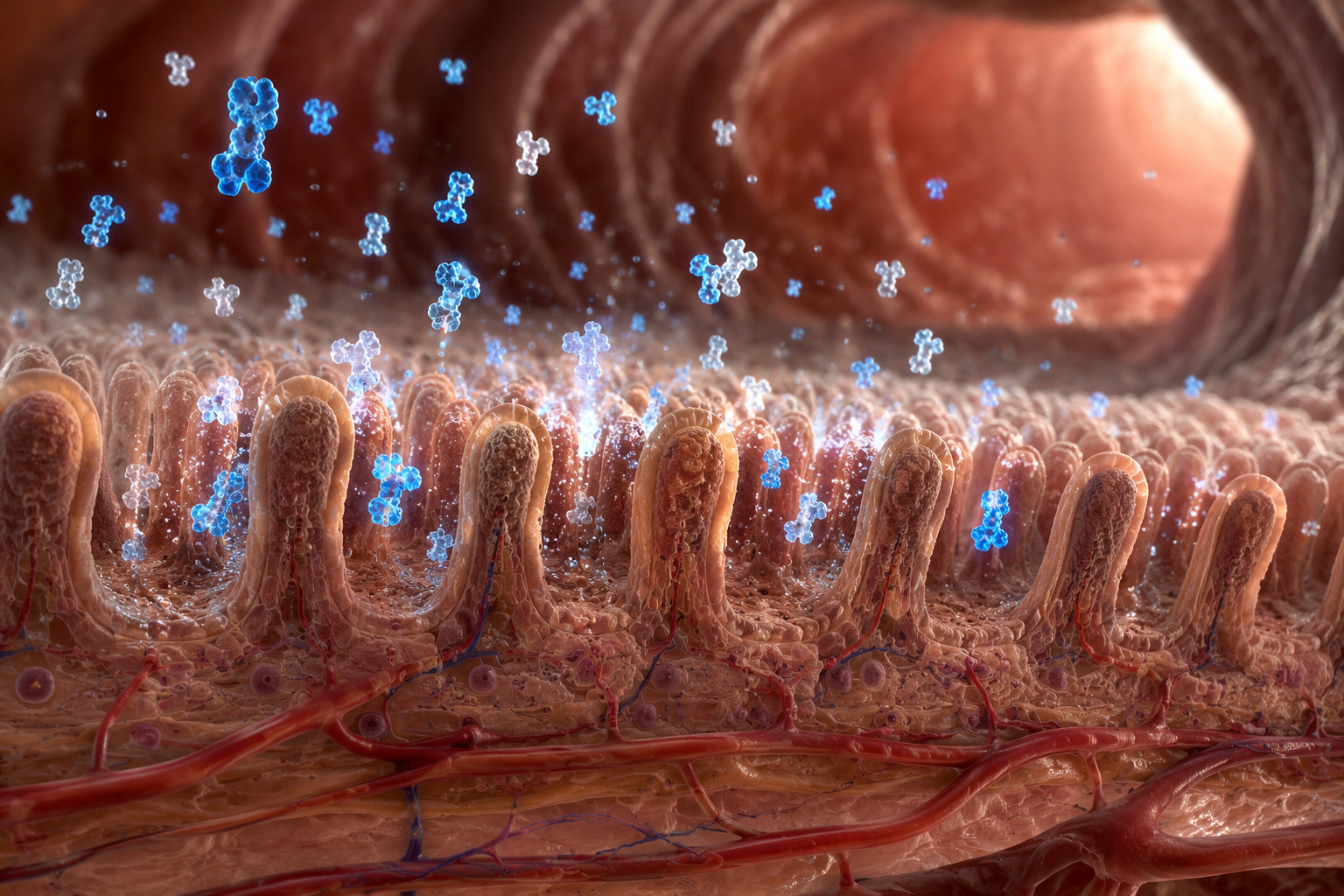
Whey protein is a high-quality, rapidly digestible protein derived from milk during the cheese-making process. It contains all nine essential amino acids and boasts the highest biological value of any protein — meaning the human body utilizes it with exceptional efficiency. Unlike casein (the other major milk protein), whey is rich in branched-chain amino acids (BCAAs), particularly leucine, which directly stimulate muscle protein synthesis. For decades, whey has been studied as an ergogenic aid in adults, but its application in pediatric populations demands a more nuanced perspective.
Is Whey Protein Safe for Children?
Safety is the foremost concern for any parent. The short answer is yes, whey protein is generally recognized as safe (GRAS) for children, provided it is used in appropriate amounts and does not replace whole food meals. However, safety hinges on three critical factors: dosage, product quality, and the child’s individual health profile.
Critical WarningNever give a child whey protein without first consulting a pediatrician or registered dietitian. Children with kidney disorders, liver conditions, or milk protein allergies must strictly avoid whey. Overconsumption can strain immature kidneys and displace nutrient-dense foods.
Multiple international health authorities, including the European Food Safety Authority (EFSA), have evaluated whey protein and found no inherent toxicity when consumed within recommended dietary limits. The key is moderation and medical oversight.
Nutritional Needs of Growing Children: Protein Requirements by Age
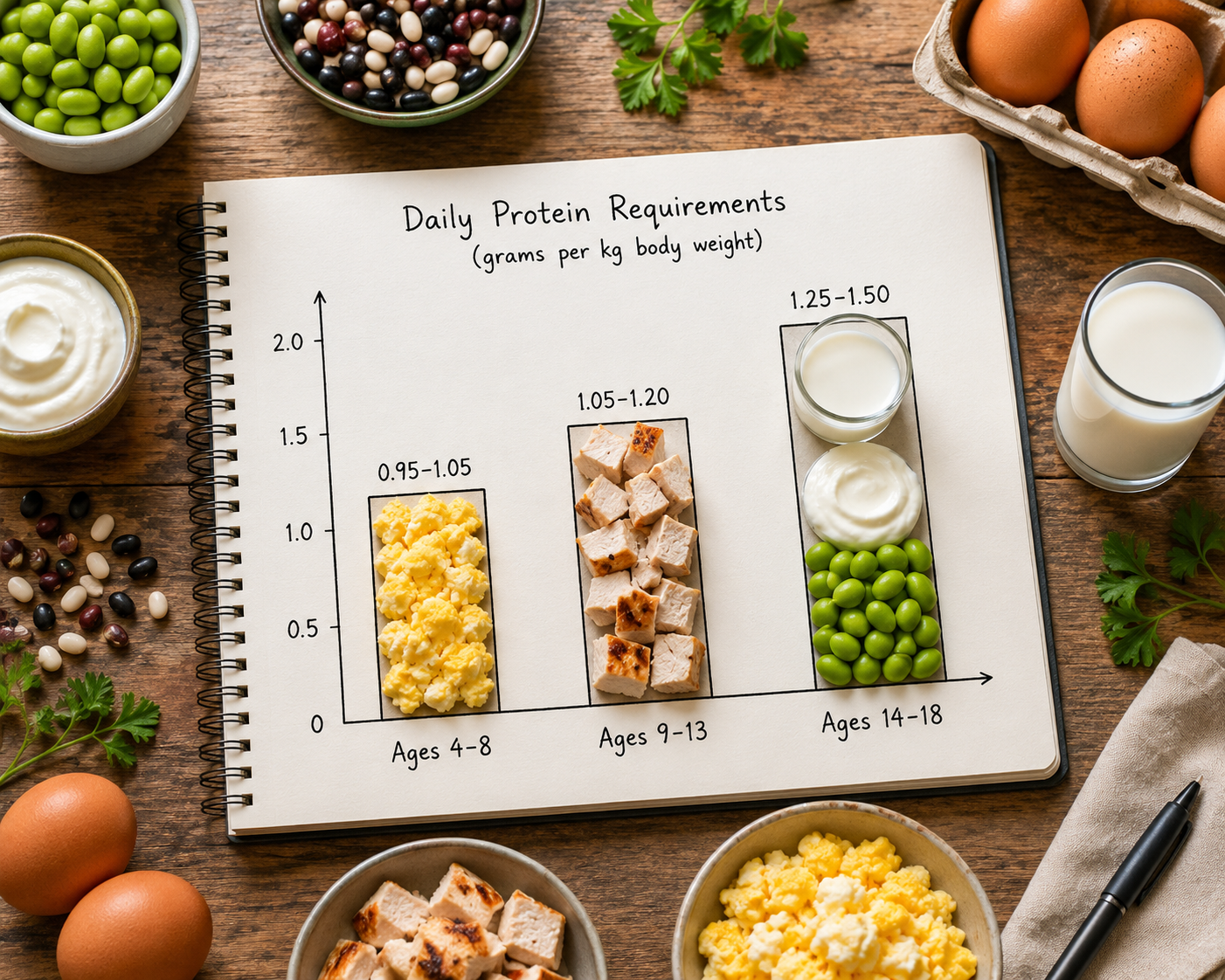
Before considering supplementation, parents should understand baseline protein requirements. The body uses protein to build tissues, enzymes, and hormones — demands that peak during growth spurts and puberty. The table below outlines the Recommended Dietary Allowance (RDA) for protein across childhood and adolescence.
| Age Group | Daily Protein RDA (grams) | Visual Food Equivalent |
|---|---|---|
| 4–8 years | 19 | 2 eggs + 1 cup milk |
| 9–13 years | 34 | 3 oz chicken breast + 1 cup yogurt |
| 14–18 years (Girls) | 46 | 5 oz salmon + 1 cup edamame |
| 14–18 years (Boys) | 52 | 6 oz lean steak + 2 glasses milk |
Data derived from the Institute of Medicine Dietary Reference Intakes. Active youth athletes may require slightly more — typically 1.2 to 1.5 grams of protein per kilogram of body weight per day — but these numbers are easily met with balanced meals.
When Might Whey Protein Be Beneficial for a Child?
Whole foods should always be the foundation of a child’s diet. Nonetheless, specific, real-world scenarios exist where a high-quality whey supplement can play a supportive role:
- Highly active young athletes: Adolescents engaged in intense daily training (swimming, gymnastics, soccer) may struggle to consume enough calories and protein from meals alone. A post-workout whey shake can accelerate recovery and support lean mass development.
- Picky eating or poor appetite: Children with sensory issues, selective eating disorders, or medically induced appetite suppression may fail to meet even basal protein needs. Whey offers a palatable, nutrient-dense option.
- Underweight or failure to thrive: Under strict medical supervision, whey protein can be incorporated into high-calorie smoothies to safely promote weight gain and linear growth.
- Vegetarian or vegan families: While whey is an animal product, lacto-vegetarian children sometimes use it to bridge amino acid gaps that may arise from plant-based diets lacking complementary proteins.
Transform a basic whey shake into a complete mini-meal: blend ½ scoop (10–12 g protein) unflavored whey isolate with 1 banana, a handful of spinach, 1 tablespoon almond butter, and 200 ml of milk or fortified oat milk. This provides fiber, healthy fats, and micronutrients while masking the protein taste.
Choosing the Best Whey Protein for Kids: A Quality Checklist
The supplement market is virtually unregulated in many countries, making label literacy non-negotiable. When selecting a whey product for a child, prioritize the following:
1. Type of Whey
| Whey Type | Protein Content | Lactose Level | Best For |
|---|---|---|---|
| Concentrate (WPC) | 70–80% | Moderate | General use if no lactose intolerance |
| Isolate (WPI) | 90–95% | Minimal (<1%) | Children with mild lactose sensitivity; purer protein |
| Hydrolysate (WPH) | ~90% | Very low | Medical-grade; partially pre-digested for severe allergies (rarely needed) |
2. Ingredient Simplicity
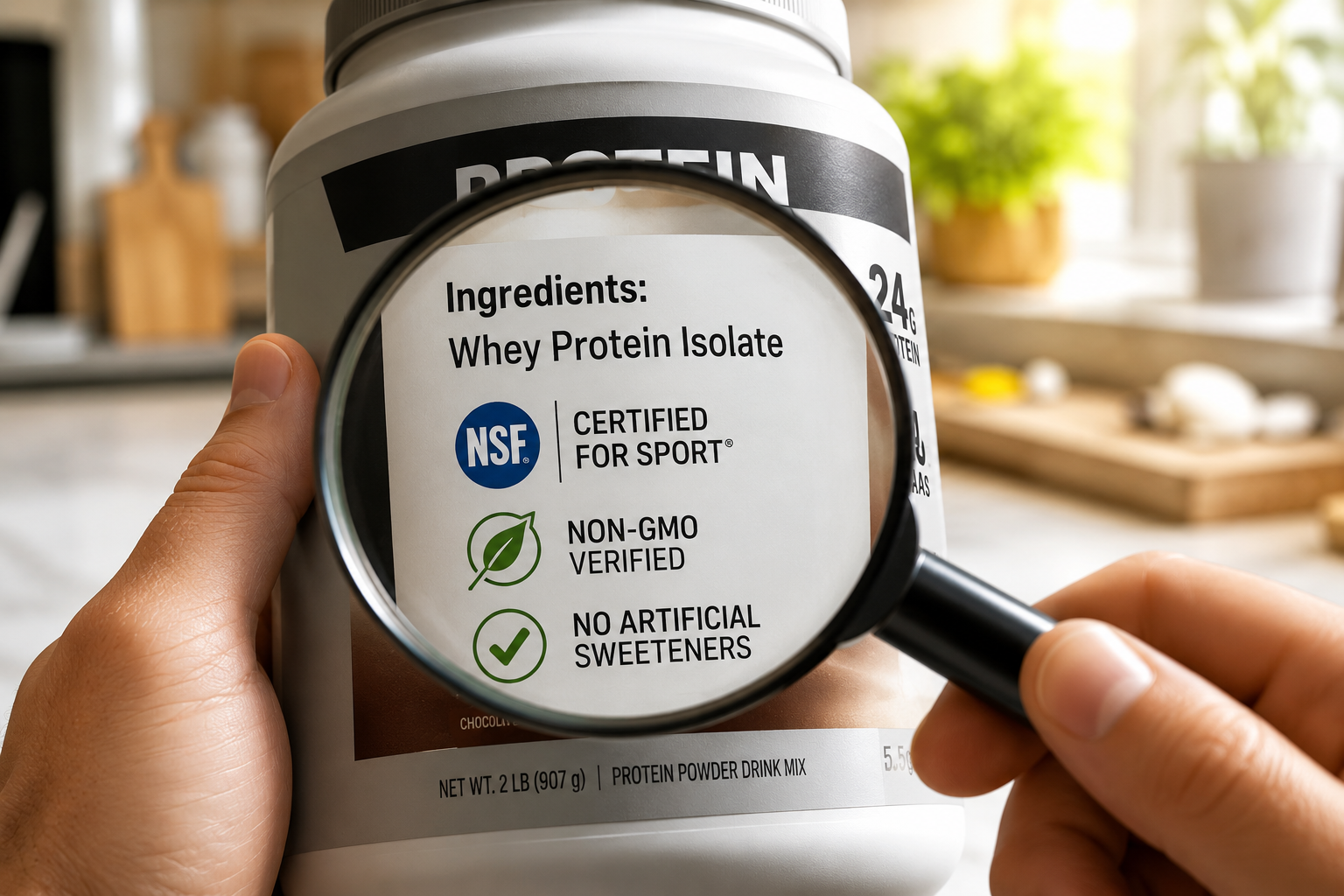
A clean label contains one ingredient: “whey protein isolate” or “whey protein concentrate.” Avoid products with artificial sweeteners (sucralose, aspartame), synthetic dyes, hydrogenated oils, and proprietary blends that obscure dosing.
3. Third-Party Testing
Look for seals from NSF International, Informed-Choice, or USP. These certifications ensure the product is free from heavy metals, pesticides, and banned substances — a crucial safeguard for children’s developing neurological and endocrine systems.
How Much Whey Protein Can a Child Safely Take?
Dosage is the pivot between benefit and harm. For children, the guiding principle is “less is more.” A safe daily supplementary dose typically falls between 10 and 20 grams of whey protein — never exceeding 0.5 grams per kilogram of body weight from supplements alone. To calculate an individual upper limit:
Child’s weight (kg) × 0.5 = maximum supplemental whey grams per day.
For example, a 30 kg (66 lbs) child should not receive more than 15 grams of whey protein from powder, and only on days when dietary intake is objectively insufficient. Whey must be integrated into the total daily protein count, not stacked on top of already adequate meals.
Timing Considerations
- Post-exercise: Consuming whey within 60 minutes of intense training enhances muscle repair. Mix with water or milk for rapid gastric emptying.
- Between meals: If used as a snack, combine with a fiber source to slow absorption and prolong satiety.
- Never before bed: Whey is rapidly absorbed; casein is a superior option for overnight amino acid delivery, but whole food cottage cheese or Greek yogurt is preferred for children.
Potential Risks and Side Effects
Though rare when guidelines are followed, adverse effects can arise. Awareness allows proactive mitigation.
Watch For These Reactions- Gastrointestinal distress: Bloating, cramping, or diarrhea — often due to lactose in whey concentrate or excessive dosage. Switching to isolate usually resolves symptoms.
- Allergic reactions: Hives, wheezing, or angioedema demand immediate cessation and medical evaluation. Whey is a milk derivative and contraindicated in IgE-mediated cow’s milk protein allergy.
- Renal overload: Chronically high protein intakes can increase glomerular pressure. Children with undiagnosed renal hypoplasia or a solitary kidney are at elevated risk.
- Unwanted weight gain: Liquid calories add up quickly. Use unflavored, unsweetened versions to avoid excess sugar.
Myths and Facts About Whey Protein and Children
Frequently Asked Questions
At what age can a child start taking whey protein?
There is no universal minimum age, but most pediatric dietitians advise waiting until at least 10–12 years old and only when a clear nutritional gap exists. Younger children rarely require it and should focus on food-based proteins.
Is whey protein safe for a 10-year-old?
It can be, if prescribed by a dietitian for a specific purpose (e.g., underweight, intense gymnastics training). The daily dose should not exceed 10–12 grams, and a pediatrician must monitor kidney function initially.
Can whey protein stunt growth?
No. This is a pervasive myth. Proper protein nutrition supports, not hinders, growth. Stunting is linked to chronic undernutrition, not to high-quality protein supplementation within safe limits.
How much whey protein can a child take per day?
As a general safety ceiling, 0.5 grams per kg of body weight from supplemental protein. For a 40 kg child, that’s 20 grams. However, the ideal dose is the smallest amount needed to bridge the dietary gap — often just 10–15 grams.
What are the side effects of whey protein in children?
Potential side effects include digestive discomfort, allergic reactions, and, with chronic overuse, possible kidney strain. These are largely preventable by choosing a clean isolate, dosing correctly, and ensuring adequate hydration.
What is the best type of whey protein for kids?
A cold-processed, microfiltered whey isolate with no artificial additives and third-party certification is the gold standard. It provides maximum protein purity with virtually no lactose, minimizing digestive issues.
Final Verdict: A Tool, Not a Crutch
Whey protein is neither a magic bullet nor a hidden danger. In the hands of informed parents and healthcare professionals, it can be a safe, effective tool to support a child’s athletic performance, recovery, or nutritional catch-up growth. However, the vast majority of children thrive on whole food alone. Before reaching for a tub of powder, audit your child’s weekly diet: are there three meals with a palm-sized portion of protein? Are dairy, eggs, lentils, poultry, and fish present? If the answer is yes, supplementation is likely unnecessary.
For those who do need it, treat whey protein with the same rigor as a medication — exact dosing, pure formulation, and professional supervision. Your child’s long-term health depends on this discipline.
Ready to optimize your child’s nutrition? Book a consultation with a pediatric sports dietitian through our network and get a personalized plan that respects both growth and performance.
Disclaimer: This article is for informational purposes only and does not constitute medical advice. Always consult a pediatrician or registered dietitian before introducing any supplement to your child’s diet. Individual needs vary based on health status, activity level, and age.
References
- Institute of Medicine. Dietary Reference Intakes for Energy, Carbohydrate, Fiber, Fat, Fatty Acids, Cholesterol, Protein, and Amino Acids. Washington, DC: National Academies Press; 2005.
- Aerenhouts D, Deriemaeker P, Hebbelinck M, et al. Protein intake and growth in adolescent sprint athletes: a longitudinal study. Pediatr Exerc Sci. 2013;25(3):384-394.
- Phillips SM, Van Loon LJ. Dietary protein for athletes: from requirements to optimum adaptation. J Sports Sci. 2011;29 Suppl 1:S29-S38.
- European Food Safety Authority (EFSA). Scientific Opinion on the safety of whey protein. EFSA Journal. 2010;8(10):1818.
- Rodriguez NR, DiMarco NM, Langley S. Position of the American Dietetic Association, Dietitians of Canada, and the American College of Sports Medicine: Nutrition and athletic performance. J Am Diet Assoc. 2009;109(3):509-527.
- Koletzko B, Demmelmair H, Grote V, et al. High protein intake in young children and increased risk of later obesity. Am J Clin Nutr. 2016;103(2):441-448.
Share