How to Improve Gut Health Naturally: The Complete Science-Backed Guide to a Stronger Microbiome
By Artemis_strength•May 27, 2026•9 min read
How to Improve Gut Health Naturally: The Complete Science-Backed Guide to a Stronger Microbiome
Medical Disclaimer: This article is for educational and informational purposes only and does not constitute medical advice. The gut health strategies discussed are based on current scientific literature and general wellness principles. They are not intended to diagnose, treat, cure, or prevent any disease. Always consult your physician or a qualified healthcare provider before making significant changes to your diet, supplement regimen, or lifestyle, especially if you have a pre-existing medical condition or are taking medications.
In the relentless pursuit of physical performance—more muscle, faster times, sharper focus—the gastrointestinal tract has long been the forgotten workhorse. Hidden beneath the abdominal wall, a sprawling ecosystem of 100 trillion microorganisms silently dictates how you absorb nutrients, fight inflammation, regulate mood, and defend against illness. This is the gut microbiome, and modern science now recognizes it as one of the most powerful levers for overall health and athletic performance. A compromised gut does not just cause bloating; it can rob you of amino acids, blunt your testosterone, fog your cognition, and leave you chronically inflamed despite perfect training and nutrition.
As a sports nutritionist who has guided hundreds of athletes from digestive distress to peak performance, I have seen the transformative power of a gut-first approach. Improving gut health naturally is not about chasing the latest probiotic fad or punishing yourself with restrictive elimination diets. It is about understanding the ecological principles that govern your inner garden and applying precise, evidence-based nutrition, supplementation, and lifestyle strategies to cultivate resilience. This guide is your complete blueprint. You will learn the core functions of a healthy microbiome, the warning signs of dysfunction, the dietary framework that feeds beneficial bacteria, the supplements that actually move the needle, and a daily routine that harmonizes gut health with your training goals. Everything is backed by peer-reviewed research and clinical experience, and nothing is a gimmick.
The Gut Microbiome: Your Body's Second Brain and Metabolic Command Center
The gut microbiome refers to the collective genomes of all microorganisms—bacteria, archaea, fungi, viruses—residing in the gastrointestinal tract. The bacterial contingent alone weighs roughly 1–2 kilograms and comprises over 1,000 species, with the dominant phyla being Firmicutes, Bacteroidetes, Actinobacteria, and Proteobacteria. [1] Far from passive passengers, these microbes function as a metabolically active organ. They break down dietary fibers into short-chain fatty acids (SCFAs) like butyrate, propionate, and acetate, which fuel the cells of the colon, regulate immune tolerance, and signal to the brain via the vagus nerve and endocrine pathways. [2]
For the athlete, the microbiome's role extends to synthesizing vitamins (K2, B12, biotin), modulating systemic inflammation through cytokine regulation, and influencing the bioavailability of amino acids and minerals. A dysbiotic gut—one with reduced diversity and an overgrowth of pathogenic species—produces endotoxins like lipopolysaccharide (LPS) that can enter the bloodstream, triggering low-grade chronic inflammation that impairs recovery, promotes insulin resistance, and even dampens muscle protein synthesis. [3] In short, your gut health is directly tied to your performance ceiling. Neglect it, and you are leaving muscle on the table and inviting injury and illness.
Key Functions of a Healthy Gut You Never Knew About
Before diving into interventions, it is critical to understand what a well-functioning gut actually delivers. This perspective transforms the goal from “no stomach pain” to “optimal physiological support.”
- Nutrient Absorption and Energy Extraction: A diverse microbial community maximizes the caloric harvest from complex carbohydrates and fibers, producing SCFAs that provide up to 10% of daily energy needs.
- Immune System Calibration: Approximately 70% of the immune system resides in gut-associated lymphoid tissue (GALT). The microbiome teaches immune cells to tolerate harmless antigens (food, commensals) while remaining vigilant against pathogens. [4]
- Neurotransmitter Production: Gut bacteria synthesize over 90% of the body's serotonin, along with dopamine, GABA, and norepinephrine. This biochemical output directly affects mood, motivation, and even pain perception during training.
- Metabolic Hormone Regulation: SCFAs stimulate the release of glucagon-like peptide-1 (GLP-1), which improves insulin sensitivity and appetite regulation—mechanisms now famous due to modern diabetes drugs.
- Detoxification and Barrier Integrity: A healthy microbiome maintains the tight junctions between intestinal epithelial cells, preventing “leaky gut” and the translocation of inflammatory endotoxins. [5]
Signs Your Gut Health Needs Immediate Attention
The symptoms of gut dysfunction often extend far beyond the digestive tract. Athletes may experience systemic issues that are misattributed to overtraining or hormonal problems. Use the table below to map your symptoms to potential gut-related causes. If you check multiple boxes, a gut-focused intervention is likely the missing piece.
| Symptom | Possible Gut-Related Mechanism | Performance Impact |
|---|---|---|
| Chronic bloating, gas, or irregular bowel movements | Dysbiosis, SIBO, low digestive enzyme output | Impaired nutrient absorption, discomfort during training |
| Unexplained fatigue and brain fog | Endotoxemia, systemic inflammation, poor neurotransmitter precursor absorption | Poor focus, reduced training intensity, slow reaction time |
| Frequent colds or slow wound healing | Immune dysregulation, compromised gut barrier | Missed training sessions, prolonged recovery |
| Food intolerances that are increasing | Loss of oral tolerance, intestinal permeability | Restricted diet variety, nutritional deficiencies |
| Stubborn joint pain or skin issues (eczema, acne) | Chronic low-grade inflammation, gut-skin axis disruption | Reduced mobility, discomfort, distraction |
| Mood swings, anxiety, or depression | Disrupted gut-brain axis, low serotonin production | Poor motivation, inconsistent training adherence |
The Gut-Brain Axis: How Your Microbiome Dictates Focus, Mood, and Drive
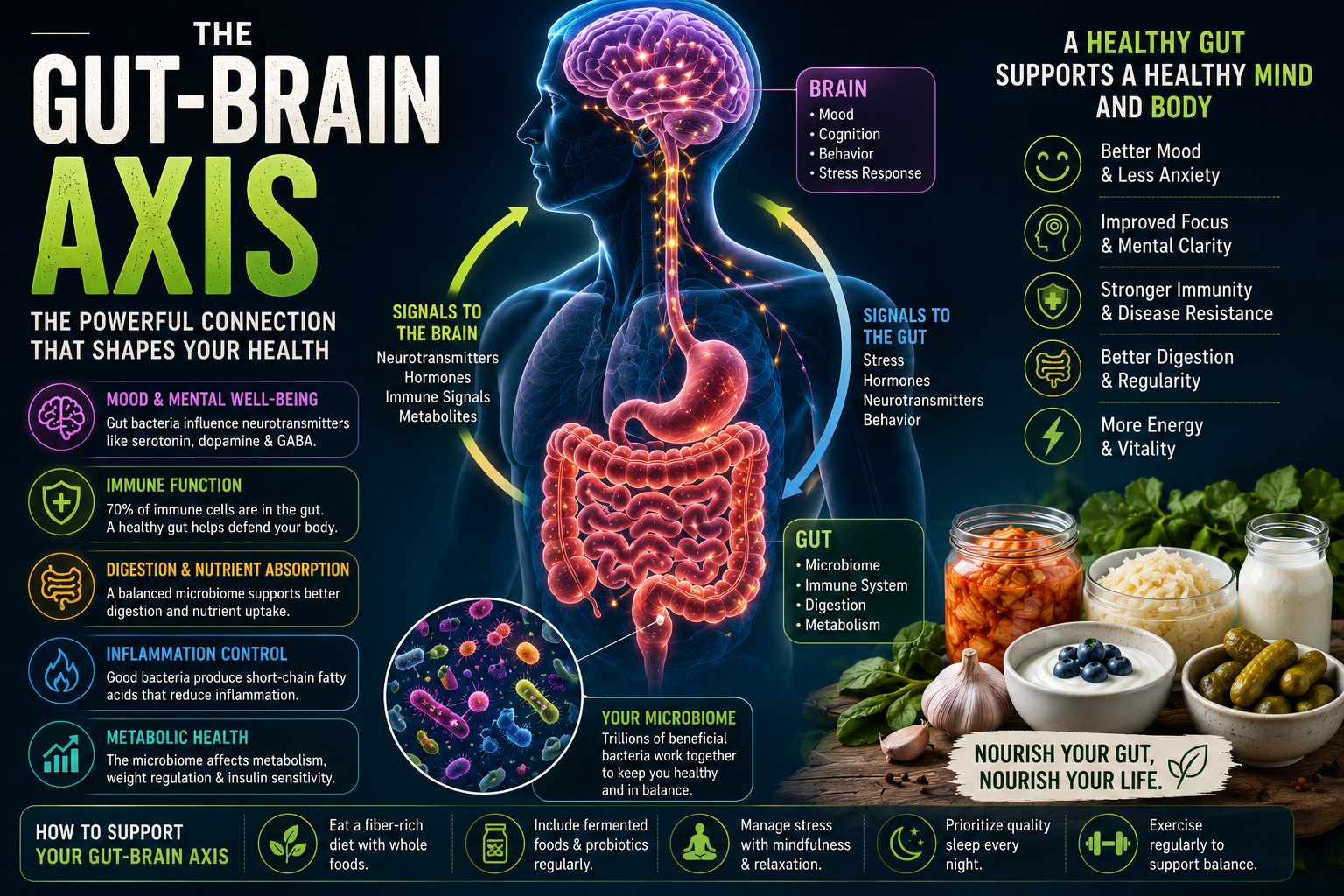
The biochemical highway connecting your gut to your brain is bidirectional and heavily trafficked. The vagus nerve serves as a direct hotline, while microbial metabolites enter the bloodstream and cross the blood-brain barrier. SCFAs like butyrate have been shown to upregulate brain-derived neurotrophic factor (BDNF), a protein critical for neuroplasticity, learning, and resilience to stress. [6] When the gut is inflamed, cytokine signals reach the brain and trigger sickness behavior: fatigue, social withdrawal, and reduced motivation—symptoms that can mimic overtraining syndrome.
For competitive athletes, the practical implication is that mental toughness may partly reside in the gut. A study published in Nature Microbiology found that elite athletes possessed a higher abundance of certain bacterial species associated with mental acuity and stress resilience. [7] Enhancing gut health through diet and lifestyle can therefore sharpen focus during competition and reduce the perception of effort during grueling sessions. The gut-brain axis also explains why chronic stress is a potent disruptor of digestive health, creating a vicious cycle where poor gut health increases anxiety, which further damages the gut. Breaking this cycle requires addressing both ends simultaneously.
Nutrition: The Most Powerful Lever for Gut Restoration
Food is the primary environmental signal that shapes the microbiome. Every meal is a vote cast for which bacterial populations will thrive. The framework for a gut-healing diet is not about restriction but about abundance—flooding the system with diverse plant fibers, fermented metabolites, and healing nutrients while eliminating the primary disruptors.
Prebiotics: The Fuel That Powers Your Good Bacteria
Prebiotics are non-digestible dietary fibers that selectively stimulate the growth of beneficial bacteria. The most researched are inulin-type fructans and galacto-oligosaccharides (GOS). Rich sources include chicory root, Jerusalem artichokes, garlic, onions, leeks, asparagus, underripe bananas, and cooked-then-cooled potatoes (resistant starch). A 2017 meta-analysis confirmed that prebiotic supplementation significantly increased Bifidobacteria and Lactobacilli abundance and improved bowel regularity. [8] Start with small doses (3–5 grams daily) to avoid gas and bloating, and gradually increase to 10–15 grams for full benefits.
Probiotics: Living Microbes That Colonize and Communicate
Probiotics are live microorganisms that confer health benefits when consumed in adequate amounts. While the supplement industry has exploded, the most bioavailable and ecologically compatible sources are traditional fermented foods. These provide a consortium of strains along with their metabolic byproducts and bacteriocins, which have a more profound impact than isolated freeze-dried powders.
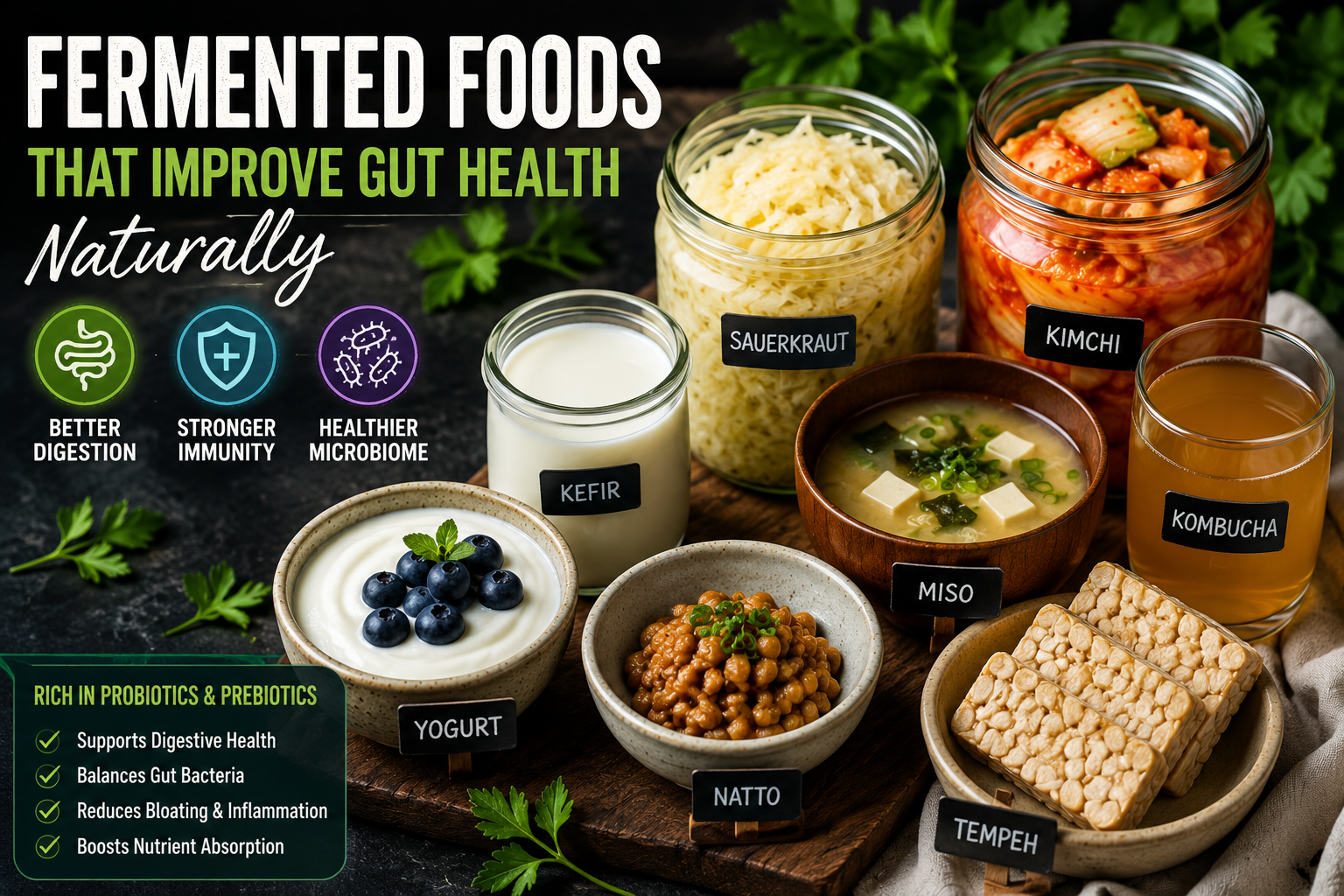
| Fermented Food | Key Microbial Strains | Additional Benefits | Serving Suggestion |
|---|---|---|---|
| Yogurt (live, active cultures) | Lactobacillus bulgaricus, Streptococcus thermophilus | High in protein and calcium | 1 cup daily, plain and unsweetened |
| Kefir | Lactobacillus, Lactococcus, Saccharomyces yeasts | More diverse than yogurt; partially digests lactose | 1 cup as a smoothie base or post-workout drink |
| Sauerkraut (raw, unpasteurized) | Leuconostoc, Pediococcus, Lactobacillus spp. | Rich in vitamin C and digestive enzymes | 2–3 tablespoons as a condiment with meals |
| Kimchi | Lactobacillus kimchii, other lactic acid bacteria | Contains capsaicin and antioxidant phytochemicals | 1–2 servings daily with rice or protein |
| Kombucha | Acetobacter, Saccharomyces, Lactobacillus | Low sugar when properly fermented; contains acetic acid | 4–8 oz as a soda alternative |
| Natto | Bacillus subtilis | Richest source of vitamin K2 MK-7; enzyme nattokinase | 1 tablespoon stirred into meals (acquired taste) |
Postbiotics and Polyphenols: The Overlooked Allies
Postbiotics are the metabolic byproducts of fermentation—SCFAs, peptides, and bacterial fragments—that directly exert health effects. While produced internally from prebiotics, they are also present in fermented foods. Additionally, dietary polyphenols from berries, green tea, dark chocolate, and extra virgin olive oil are not well absorbed in the small intestine and reach the colon, where gut bacteria metabolize them into bioactive compounds with anti-inflammatory and gut-barrier-protective properties. [9] This dual benefit makes a colorful, plant-rich diet the cornerstone of gut healing.
Supplement Strategy: Evidence-Based Gut Health Aids
While food is foundational, targeted supplementation can accelerate repair in cases of dysbiosis, antibiotic recovery, or high athletic stress. The following table outlines supplements with the strongest evidence, their mechanisms, and optimal use. Always source from third-party tested manufacturers.
| Supplement | Mechanism & Evidence | Typical Dose | Best For |
|---|---|---|---|
| Probiotic blend (Lactobacillus, Bifidobacterium, Saccharomyces boulardii) | Strain-specific benefits: improve barrier function, reduce antibiotic-associated diarrhea, modulate immunity. [10] | 5–50 billion CFU daily, depending on strain | Post-antibiotic recovery, IBS, traveler's diarrhea |
| L-Glutamine | Primary fuel for enterocytes; repairs tight junctions and reduces intestinal permeability. [11] | 5–10 grams, 2–3 times daily on empty stomach | Leaky gut, intense training recovery |
| Partially Hydrolyzed Guar Gum (PHGG) | Soluble prebiotic fiber that increases Bifidobacteria and butyrate production, gentle on digestion. [12] | 5 grams daily, slowly titrated up | Constipation, IBS-C, gentle prebiotic support |
| Digestive enzymes (protease, lipase, amylase, lactase) | Assist breakdown of macronutrients, reducing undigested food particles that feed pathogenic bacteria. | Take with meals as directed | Bloating, post-meal discomfort, pancreatic insufficiency |
| Zinc carnosine | Stabilizes gastric mucosa, promotes healing of gut lining, antioxidant effects. [13] | 75 mg twice daily (providing 34 mg zinc total) | Gastric ulcers, chronic gastritis, leaky gut |
| Omega-3 fatty acids (EPA/DHA) | Resolve inflammation, improve gut barrier integrity, increase bacterial diversity. [14] | 2–4 grams combined EPA/DHA daily | Inflammatory bowel conditions, systemic inflammation |
Important: Probiotics are not a one-size-fits-all solution. In some individuals with severe dysbiosis or small intestinal bacterial overgrowth (SIBO), certain probiotics can worsen symptoms. Always work with a knowledgeable practitioner for targeted strain selection. Do not self-supplement blindly.
Lifestyle Practices That Heal the Gut from the Outside In
The enteric nervous system is exquisitely sensitive to stress, circadian disruption, and physical activity. These lifestyle factors are as influential as diet.
Stress Management: Cortisol Kills the Microbiome
Psychological stress activates the hypothalamic-pituitary-adrenal (HPA) axis, releasing cortisol and catecholamines that directly alter gut motility, increase intestinal permeability, and reduce microbial diversity. A landmark study showed that academic stress in students significantly reduced fecal Lactobacilli levels within days. [15] Countermeasures include daily mindfulness meditation (10–20 minutes), deep diaphragmatic breathing before meals, and ensuring adequate leisure and social connection. These are not soft recommendations; they are physiological interventions.
Sleep: The Nocturnal Microbial Reset
The microbiome follows circadian rhythms, with composition and function shifting between day and night. Sleep deprivation reduces microbial diversity, increases the Firmicutes-to-Bacteroidetes ratio (associated with obesity), and promotes endotoxemia. [16] Prioritize 7–9 hours of quality sleep, with a consistent sleep-wake schedule. Avoid late-night eating, which disrupts the normal nocturnal fasting period that allows gut repair.
Exercise: The Dose-Dependent Microbial Enhancer
Regular moderate exercise independently increases microbial diversity and butyrate-producing bacteria. However, excessive endurance training without adequate recovery leads to gut ischemia, increased permeability, and endotoxemia—the “leaky gut” of marathon runners. [17] The sweet spot is consistent, varied training with full recovery days. Incorporate low-intensity movement like walking after meals, which aids digestion and blood sugar control.
Your Daily Gut Health Routine: A Practical Template
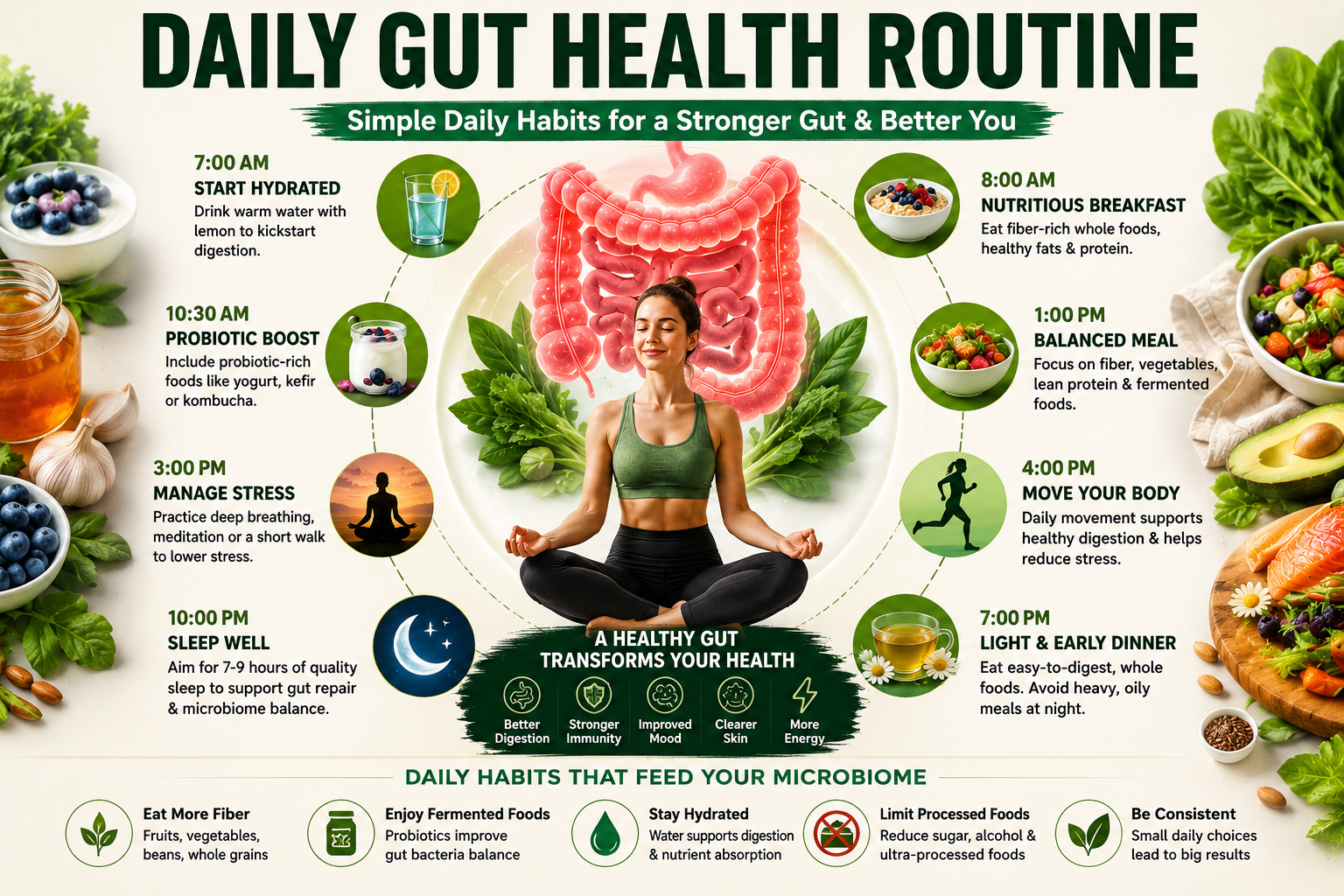
The following daily protocol integrates all the elements into a seamless, sustainable rhythm that does not conflict with athletic training.
- Upon Waking: Drink 16 oz of room-temperature water with a squeeze of lemon (optional). This rehydrates and stimulates gastric secretions. Take a 5-minute diaphragmatic breathing session to activate the vagus nerve before the day's stress begins.
- Breakfast (within 2 hours of waking): Include a fermented food (plain yogurt or kefir) with a prebiotic source like oats and berries. A smoothie with kefir, banana, spinach, and flaxseed covers protein, probiotics, and fiber.
- Mid-Morning: If using L-glutamine, take 5 grams in water on an empty stomach. Sip green tea for polyphenols and mild caffeine.
- Lunch: Build a plate with a diverse salad base (mixed greens, cruciferous vegetables, colorful peppers), a lean protein, and a whole grain (quinoa, brown rice). Top with 2 tablespoons of sauerkraut or kimchi.
- Afternoon Snack: Apple slices with almond butter and a small piece of dark chocolate (85%+ cocoa). The apple pectin is a prebiotic; the polyphenols in cocoa feed beneficial bacteria.
- Pre-Workout: Avoid heavy meals within 2 hours. If needed, a small banana or rice cake. Consider digestive enzymes with your last meal if training in a fed state.
- Post-Workout: Replenish with a protein shake and carbohydrate. If using a probiotic supplement, take it with this meal or in the evening, whichever your protocol specifies.
- Dinner (3+ hours before bed): Focus on a warm, cooked meal: salmon or other fatty fish, roasted vegetables (asparagus, carrots, onions), and a small portion of cooled potatoes for resistant starch. Avoid excessive raw salads at night, which can be harder to digest.
- Before Bed: Take zinc carnosine if prescribed. Wind down without screens. A cup of chamomile or peppermint tea can ease digestion. Aim to be asleep by 10–11 PM to align with circadian microbial cycles.
- Weekly Additions: Incorporate at least 30 different plant species across the week (herbs, spices, vegetables, fruits, nuts, seeds) to maximize microbial diversity. A “diversity challenge” can be a fun way to track this.
Myths That Keep Your Gut Sick
Myth 1: “You Must Take Probiotics Every Day Forever”
Probiotics often do not permanently colonize the gut; they exert transient effects. The goal is to create an environment where your native microbes thrive. Long-term reliance on high-dose supplements without dietary prebiotics is like planting seeds in concrete. Focus on fermented foods and fiber, and use targeted probiotics for specific periods or conditions.
Myth 2: “A Cleanse or Juice Fast Will Reset My Gut”
Aggressive cleanses and prolonged juice fasts strip the mucus layer, starve beneficial bacteria of fiber (since juice lacks fiber), and can cause electrolyte imbalances that disrupt gut motility. The gut “resets” with consistent, gentle, nutrient-dense feeding, not deprivation. [18]
Myth 3: “All Bacteria Are Bad and Need to Be Killed”
Antibacterial hand sanitizers and broad-spectrum herbal “gut killers” cannot distinguish friend from foe. Indiscriminate eradication decimates diversity and allows opportunistic pathogens like C. difficile to flourish. The objective is to cultivate a robust ecosystem that suppresses pathogens naturally, not to sterilize the gut.
Myth 4: “If I Have No Digestive Symptoms, My Gut Is Healthy”
Systemic inflammation, autoimmune markers, skin conditions, and mental health struggles can all originate from a gut that produces no local pain. A truly healthy gut is defined by metabolic output and immune regulation, not just comfort.
Frequently Asked Questions
How long does it take to improve gut health naturally?
Microbial shifts can begin within days of dietary change. However, lasting improvements in gut barrier integrity, immune function, and clinical symptoms typically require 4–12 weeks of consistent effort. Severe dysbiosis may take 6 months or longer. Patience and consistency are non-negotiable.
Can I improve gut health without giving up foods I love?
Yes. The emphasis should be on inclusion and diversity, not elimination. Unless you have a diagnosed allergy or intolerance, you do not need to permanently remove gluten, dairy, or nightshades. A 2–3 week structured elimination diet can identify triggers, but the long-term goal is to restore tolerance to a wide range of foods.
Is bone broth a gut-healing superfood?
Bone broth contains collagen, gelatin, and amino acids like glycine and proline that support the gut lining. While clinical trials are sparse, the theoretical basis and traditional use are strong. It is a nourishing, easily digested addition to a gut-health diet, but it is not a standalone cure.
How does alcohol affect the gut microbiome?
Chronic alcohol consumption disrupts the gut barrier, increases endotoxin translocation, and reduces microbial diversity. Even moderate intake can impair gut-liver axis function. If gut health is a priority, limit alcohol to occasional use, and when you do drink, choose options with lower sugar and avoid carbonated mixers that can exacerbate bloating.
Can my gut health affect my testosterone levels?
Indirectly, yes. Chronic gut inflammation raises cortisol and systemic inflammatory cytokines, which can suppress the hypothalamic-pituitary-gonadal axis and reduce testosterone production. Additionally, poor nutrient absorption can deplete zinc, magnesium, and vitamin D—cofactors essential for testosterone synthesis. Optimizing gut health is a foundational step in natural hormone balance.
Conclusion: Your Gut Is the Bedrock of Your Physical Potential
Improving gut health naturally is not a fringe wellness trend; it is the most scientifically grounded investment you can make in your athletic longevity and overall vitality. A robust microbiome enhances every aspect of performance—from the absorption of the protein that builds your muscle, to the mental clarity that gets you through the hardest sets, to the immune resilience that keeps you off the sidelines. The path forward does not require expensive testing, extreme restrictions, or a cabinet of supplements. It requires a return to dietary diversity, the daily inclusion of living fermented foods, strategic use of evidence-based aids, and respect for the circadian and emotional rhythms that your gut bacteria feel as keenly as you do.
Start where you are. Add one fermented food daily. Increase your plant variety by three species this week. Chew your food thoroughly and eat without screens. Go to bed an hour earlier. These micro-changes, consistently applied, compound into a transformed internal ecosystem. Your gut is listening, and when you treat it well, it rewards you with energy, clarity, and a body that performs at its peak. Take this guide, implement the daily routine, and watch as your digestion—and your performance—begin to thrive from the inside out.
For more science-backed nutrition, recovery, and performance optimization guides, explore our complete library. Your journey to a stronger, healthier body begins in the gut.
References
- Sender, R. et al. "Revised Estimates for the Number of Human and Bacteria Cells in the Body." PLoS Biology, vol. 14, no. 8, 2016, e1002533.
- Koh, A. et al. "From Dietary Fiber to Host Physiology: Short-Chain Fatty Acids as Key Bacterial Metabolites." Cell, vol. 165, no. 6, 2016, pp. 1332–1345.
- Moreira, A. P. B. et al. "Influence of a high-fat diet on gut microbiota, intestinal permeability and metabolic endotoxaemia." British Journal of Nutrition, vol. 108, no. 5, 2012, pp. 801–809.
- Honda, K. & Littman, D. R. "The microbiota in adaptive immune homeostasis and disease." Nature, vol. 535, no. 7610, 2016, pp. 75–84.
- Bischoff, S. C. et al. "Intestinal permeability – a new target for disease prevention and therapy." BMC Gastroenterology, vol. 14, 2014, p. 189.
- Stilling, R. M. et al. "The neuropharmacology of butyrate: The bread and butter of the microbiota-gut-brain axis?" Neurochemistry International, vol. 99, 2016, pp. 110–132.
- Barton, W. et al. "The microbiome of professional athletes differs from that of more sedentary subjects in composition and particularly at the functional metabolic level." Gut, vol. 67, no. 4, 2018, pp. 625–633.
- So, D. et al. "Dietary fiber intervention on gut microbiota composition in healthy adults: a systematic review and meta-analysis." American Journal of Clinical Nutrition, vol. 107, no. 6, 2018, pp. 965–983.
- Cardona, F. et al. "Benefits of polyphenols on gut microbiota and implications in human health." Journal of Nutritional Biochemistry, vol. 24, no. 8, 2013, pp. 1415–1422.
- Hempel, S. et al. "Probiotics for the prevention and treatment of antibiotic-associated diarrhea: a systematic review and meta-analysis." JAMA, vol. 307, no. 18, 2012, pp. 1959–1969.
- Wang, B. et al. "Glutamine and intestinal barrier function." Amino Acids, vol. 47, no. 10, 2015, pp. 2143–2154.
- Giannini, E. G. et al. "Partially hydrolyzed guar gum in the treatment of irritable bowel syndrome with constipation: effects on symptoms and colonic transit time." Journal of Clinical Gastroenterology, vol. 40, no. 3, 2006, pp. 236–240.
- Mahmood, A. et al. "Zinc carnosine, a health food supplement that stabilises small bowel integrity and stimulates gut repair processes." Gut, vol. 56, no. 2, 2007, pp. 168–175.
- Costantini, L. et al. "Impact of Omega-3 Fatty Acids on the Gut Microbiota." International Journal of Molecular Sciences, vol. 18, no. 12, 2017, p. 2645.
- Knowles, S. R. et al. "Investigating the role of perceived stress on the composition of the gastrointestinal microbiota: a systematic review." Psychosomatic Medicine, vol. 81, no. 1, 2019, pp. 1–13.
- Poroyko, V. A. et al. "Chronic Sleep Disruption Alters Gut Microbiota, Induces Systemic and Adipose Tissue Inflammation and Insulin Resistance in Mice." Scientific Reports, vol. 6, 2016, p. 35405.
- Mach, N. & Fuster-Botella, D. "Endurance exercise and gut microbiota: A review." Journal of Sport and Health Science, vol. 6, no. 2, 2017, pp. 179–197.
- Obert, J. et al. "Popular Weight Loss Strategies: a Review of Four Weight Loss Techniques." Current Gastroenterology Reports, vol. 19, no. 12, 2017, p. 61.
Share