Is It Safe to Take Creatine During Pregnancy? Science-Backed Evidence on Fetal Protection and Maternal Benefits
By Artemis_strength•June 6, 2026•10 min read
Is It Safe to Take Creatine During Pregnancy? Science-Backed Evidence on Fetal Protection and Maternal Benefits

Key Takeaways at a Glance
- Creatine is a natural compound already produced by your body and found in foods like red meat and fish — it's not a synthetic drug or hormone.
- Current evidence shows no clear harm in pregnancy; animal studies using very high doses have found no birth defects, miscarriage increase, or toxicity.
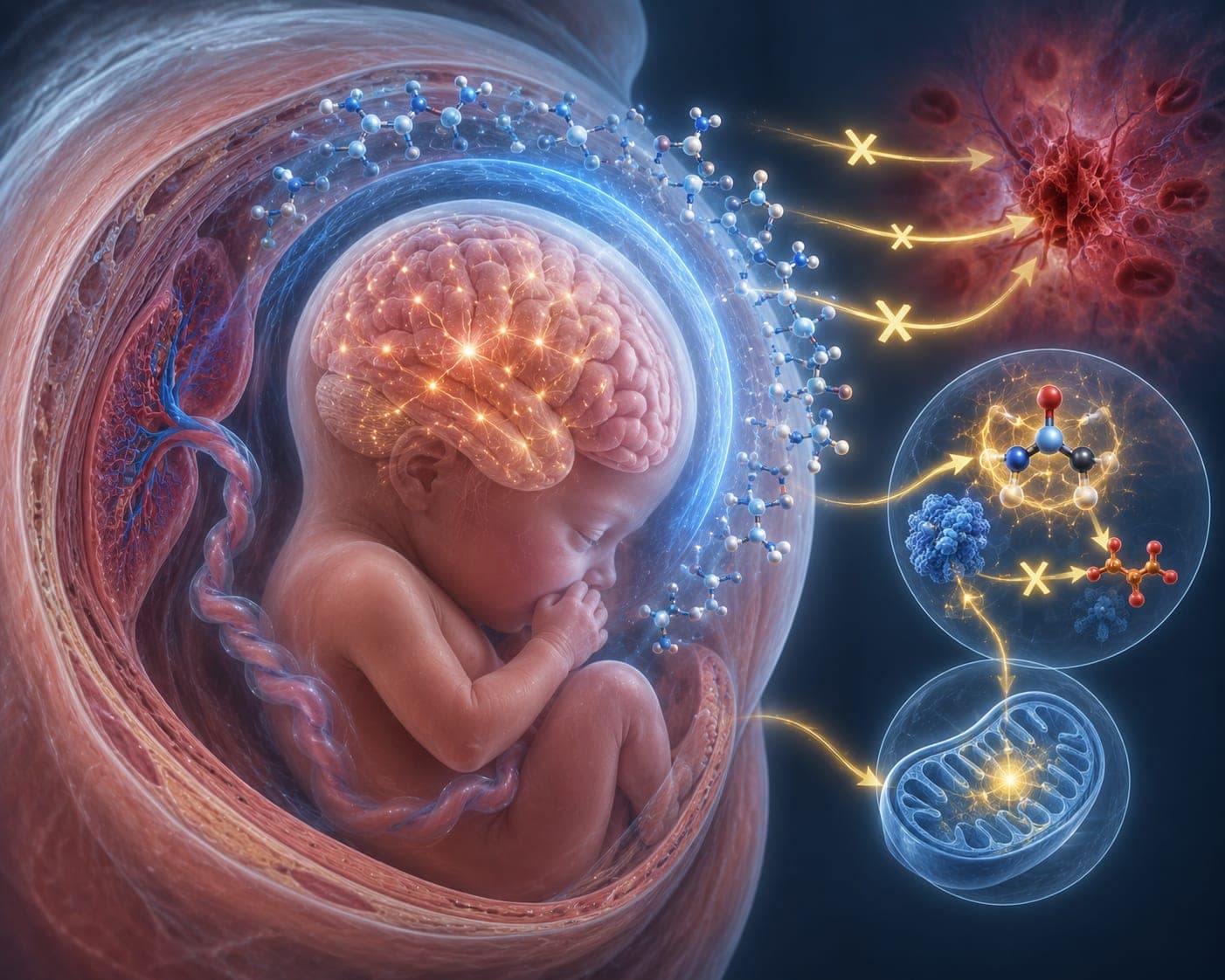
- Creatine may protect the fetal brain during oxygen-depriving events like difficult deliveries, cord accidents, or placental insufficiency.
- It can help reduce maternal fatigue and support energy levels without caffeine, though human pregnancy-specific data is still emerging.
- Medical clearance is essential — never self-supplement; discuss with your obstetrician, especially if you have kidney issues or a high-risk pregnancy.
- Typical research dose discussed is 3–5 grams per day of creatine monohydrate, though your doctor may recommend starting lower.
Creatine is one of the most studied sports supplements on the planet, trusted by athletes for decades. Yet when pregnancy enters the picture, the question shifts from performance to safety: Is it safe to take creatine during pregnancy? You won't find this answer on most prenatal brochures. But a deep dive into maternal-fetal medicine, placental biology, and developmental neuroscience reveals a surprising and hopeful narrative. Creatine, far from being a risky gym-only chemical, may actually play a critical protective role for your developing baby's brain—especially when oxygen supply becomes compromised. In this evidence-based guide, we will dissect the safety data, explore how creatine works at the cellular level, and provide clear, actionable information you can discuss with your healthcare team.
What Exactly Is Creatine, and Why Would It Matter for My Baby?
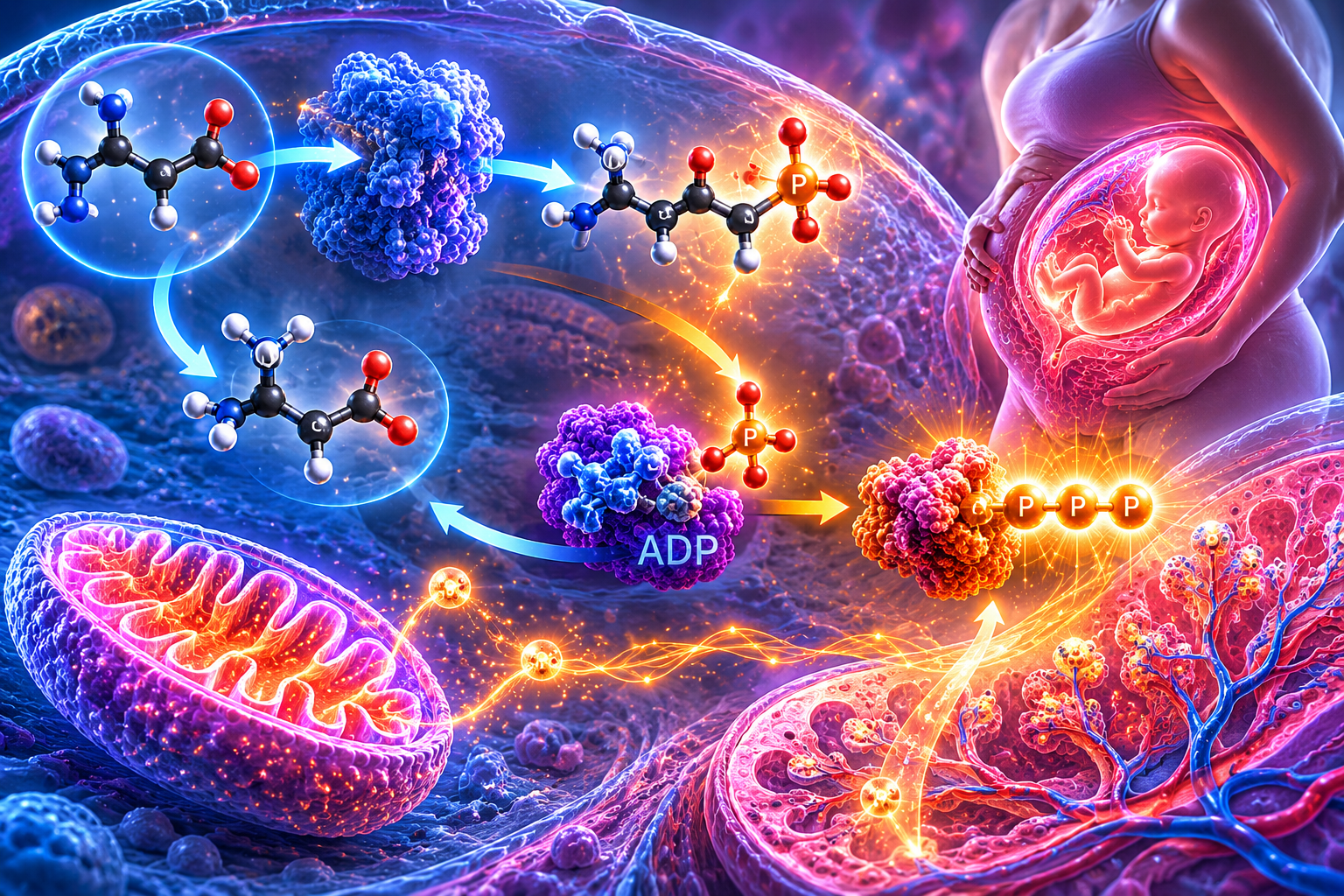
Creatine is a natural compound stored in human tissues—primarily muscle and brain—where it acts as a rapid-response energy reservoir. It helps regenerate ATP (adenosine triphosphate), the main energy currency of every cell. While our bodies make about 1–2 grams daily and we can get more from red meat and fish, the fetal demand for creatine is immense. The developing brain has extraordinarily high energy needs, but the fetus cannot synthesize enough creatine on its own, especially in early and mid-gestation. It relies almost entirely on transport from the mother via the placenta. This makes maternal creatine status an important, though often overlooked, factor in fetal development.
Key Insight: The placenta actively pumps creatine into the fetal bloodstream. Creatine transporter expression increases as pregnancy advances, peaking in the third trimester when the fetal brain undergoes rapid growth and myelination.
The Safety Question: What Do We Actually Know?
Let's address the core fear directly. No large-scale, multi-year randomized controlled trial has been completed to test high-dose creatine supplementation throughout human pregnancy. However, the absence of definitive human trials does not equal evidence of harm. Multiple strong lines of evidence suggest that moderate creatine intake is unlikely to be unsafe for healthy pregnancies.
- Creatine is a natural substance: It is not a synthetic drug or hormone. Every pregnant woman already has creatine in her body and passes it to her baby through the placenta and, after birth, through breast milk.
- Animal studies are reassuring: Rodent and sheep models have used high-dose maternal creatine supplementation (equivalent to far more than 5 grams daily in humans) and found no maternal toxicity, no birth defects, no increase in miscarriage, and no adverse effect on litter size or viability.
- Placental gatekeeping: The placenta does not passively flood the baby with whatever the mother consumes. Creatine transport is tightly regulated. Even with supplementation, fetal creatine levels remain within a physiologically normal range, suggesting a natural safety ceiling.
| Safety Signal | Evidence Summary | Relevance |
|---|---|---|
| Teratogenicity (birth defects) | Zero evidence in animal models across multiple species at supratherapeutic doses. | Highly reassuring for basic developmental safety. |
| Miscarriage or preterm birth | No increase observed in supplemented animals; no signal in observational human biomarker studies. | Conflicts with the myth that lifting or supplements trigger loss. |
| Maternal kidney stress | Creatine at standard doses does not harm healthy kidneys. The creatinine rise is a lab artifact, not damage. | Pregnant women with pre-existing kidney disease are an exception and must avoid supplementation. |
| Fetal growth restriction | No evidence of growth impairment; some animal studies suggest improved birth weight under hypoxic stress. | Indicates potential benefit rather than risk. |
Critical Reminder: The lack of large human RCTs means creatine cannot be universally recommended for all pregnant women. It should only be considered under direct medical supervision after a thorough risk-benefit discussion with your obstetrician or maternal-fetal medicine specialist. Women with kidney disorders, preeclampsia, or high-risk conditions must avoid self-supplementation.
The Promising Science: Creatine as a Fetal Neuroprotectant
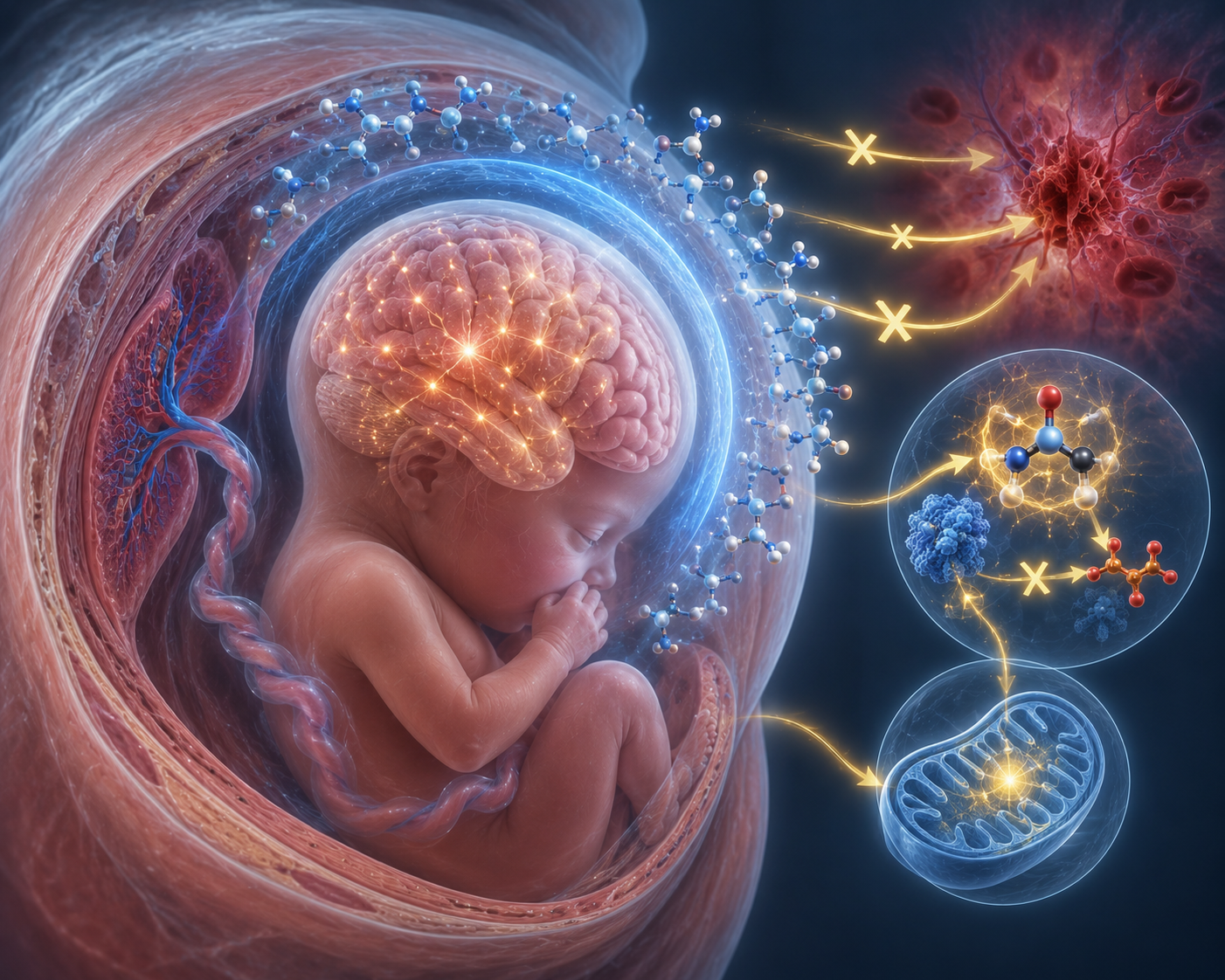
Perhaps the most exciting reason a woman might consider creatine during pregnancy is its potential to shield the fetal brain from oxygen-depriving events. During complicated deliveries, cord accidents, or conditions like preeclampsia that reduce placental blood flow, the baby's brain can rapidly run out of ATP. Cell death follows quickly. Creatine provides a metabolic buffer, buying time. A landmark study by Ireland et al. in the Journal of Neuroscience showed that pups from creatine-supplemented mothers had a 72% reduction in perinatal brain injury after induced birth asphyxia. In human observational research, Dickinson et al. found that newborns with lower umbilical cord blood creatine levels had a significantly higher risk of adverse neurological outcomes. This evidence has prompted serious calls from researchers to study creatine as a routine antenatal supplement in high-risk pregnancies.
Could Creatine Also Help the Mother?
Pregnancy is a metabolic marathon. Fatigue, brain fog, and reduced exercise tolerance are common. While data specific to pregnant humans is sparse, creatine's well-documented effects in other populations include:
- Reduced mental and physical fatigue: By maintaining ATP levels in muscle and brain tissue, creatine can reduce perceived exhaustion during demanding tasks. This could translate to better daily function and safer physical activity during pregnancy.
- Mood support: Several studies, including a 2012 randomized trial in women with major depressive disorder, have shown that creatine augmentation can enhance the effect of antidepressants and improve mood. This is relevant for perinatal mental health, though direct pregnancy trials are pending.
- Glucose metabolism: Some evidence suggests creatine may improve insulin sensitivity, which could theoretically support healthier gestational glucose control, but more research is needed.
Practical Note: If overwhelming fatigue is impacting your ability to stay active and prepare for labor, a conversation about creatine with your provider might be worth having—especially if you are already physically active and looking for a non-stimulant energy support.
Myths vs. Facts: Clearing Up Creatine Confusion
“Creatine is an anabolic steroid. It will harm my baby's development.”
Fact: Creatine is not a hormone or steroid. It shares no structural or functional relationship with testosterone, corticosteroids, or any endocrine disruptor. It is a simple amino acid derivative your own body makes. The confusion arises purely from its marketing alongside sports supplements.
“My prenatal vitamin doesn't have it, so I don't need it.”
Fact: Prenatal vitamins are based on minimum requirements to prevent frank deficiency, not on optimal nutrition for specific protective effects. Many nutrients with strong evidence, like choline, took decades to appear in prenatal formulations. Creatine is not currently added because supplement regulation and formulation inertia lag behind emerging science.
“Taking creatine will damage my kidneys during pregnancy.”
Fact: In healthy individuals, creatine monohydrate at 3–5 grams per day does not harm kidney function. The marker creatinine (a breakdown product) can elevate on blood tests, which is a normal response to supplementation, not a sign of kidney damage. However, if you have any degree of renal impairment or are at risk for preeclampsia with renal involvement, creatine is not advised without specialist oversight.
Frequently Asked Questions
If I want to discuss creatine with my doctor, what dose is typically suggested?
In research settings, doses of 3–5 grams of micronized creatine monohydrate per day are most commonly discussed as a potential pregnancy dose based on pharmacokinetic modeling. Some experts advocate starting with 2 grams daily. This is not a prescription recommendation; it's a data point for your conversation. Your doctor will help decide if any supplementation is appropriate.
Can I get enough creatine from food alone while pregnant?
It's possible if you consume large amounts of red meat and fish (about 1 pound of beef provides ~2 grams of creatine). However, many pregnant women experience meat aversions, particularly in the first trimester, or limit fish intake due to mercury concerns. Vegetarians and vegans have virtually no dietary creatine intake. For these women, endogenous production must meet all needs, and fetal demands may strain the system.
Is the first trimester too early to consider creatine?
Animal studies have covered the entire gestational period including organogenesis without teratogenic signals. However, because definitive human safety data is lacking for the first trimester, many clinicians may err on the side of caution and suggest waiting until the second trimester. This decision is highly personal and requires medical guidance.
Could creatine reduce the risk of cerebral palsy or brain injury during a difficult birth?
This is the core hypothesis driving current research. The theory is that a well-saturated fetal brain will withstand a hypoxic insult far better than a depleted one. A 2022 review in Pediatric Research specifically highlighted maternal creatine as a promising low-cost neuroprotective strategy for high-risk pregnancies. Several clinical trials are underway to test this directly.
Conclusion: A Personal Decision Anchored in Evidence and Medical Dialogue
So, is it safe to take creatine during pregnancy? The most honest, science-grounded answer is this: current evidence shows no clear signal of harm, and there is substantial preclinical evidence of significant potential benefit, particularly for fetal brain protection. However, the lack of definitive human safety trials means that the decision to supplement must be made with your healthcare provider, not in isolation. If you are pregnant and intrigued by the prospect of a low-cost, naturally occurring molecule that might protect your baby's most vulnerable organ, bring peer-reviewed research to your next prenatal appointment. The conversation itself is a step toward a more informed, empowered pregnancy. We are entering an era where maternal nutrition is understood not just in terms of avoiding deficiency, but in optimizing the lifelong health of the next generation. Creatine may well be part of that future.
If this deep dive helped you understand the science behind the question, share it with a mother-to-be who values evidence-based decisions. Leave your thoughts or questions below—I respond personally with accurate, empathetic information.
Disclaimer: This article is for informational purposes only and does not constitute medical advice. Creatine supplementation during pregnancy has not been definitively proven safe or effective in large-scale human trials. Do not take creatine or any dietary supplement without the explicit approval of your obstetrician, midwife, or maternal-fetal medicine specialist. Always inform your healthcare provider of all supplements you are considering or taking.
References
- Ireland Z, Castillo-Melendez M, Dickinson H, et al. Maternal creatine: does it reach the fetus and improve outcome after an acute hypoxic episode in the spiny mouse? J Neurosci. 2009;29(29):9365-9372.
- Dickinson H, Ellery SJ, Ireland Z, et al. Umbilical cord blood creatine levels and adverse neonatal outcomes. BJOG. 2017;124(12):1855-1862.
- Ellery SJ, Walker DW, Dickinson H. Creatine for women: a review of the relationship between creatine and female reproductive health. Nutrients. 2021;13(2):490.
- Mueller A, Starreveld Y, van der Sluis L, et al. Creatine metabolism in the human placenta: expression of creatine kinase and creatine transporter. Placenta. 2020;96:29-37.
- Ellery SJ, Kelleher MA, Grigsby PL, et al. Antenatal creatine supplementation reduces cerebral injury following intrauterine inflammation in preterm fetal sheep. Dev Neurosci. 2017;39(5):430-440.
- Wallimann T, Tokarska-Schlattner M, Schlattner U. The creatine kinase system and pleiotropic effects of creatine. Amino Acids. 2011;40(5):1271-1296.
- Lyoo IK, Yoon S, Kim TS, et al. A randomized, double-blind placebo-controlled trial of oral creatine monohydrate augmentation for enhanced response to a selective serotonin reuptake inhibitor in women with major depressive disorder. Am J Psychiatry. 2012;169(9):937-945.
Share