Maternal Health: The Blueprint for Your Child’s Lifelong Wellness – Evidence-Based Steps for a Brighter Future
By Artemis_strength•10 min read
Maternal Health: The Blueprint for Your Child’s Lifelong Wellness
Every mother wants to give her child the strongest possible start. But what if the foundation for a child’s future health is laid long before the first cry? Over three decades of developmental programming research have confirmed that maternal health—before conception, through pregnancy, and into the postpartum period—sculpts a child’s metabolic, cognitive, and immune destiny. This is not about genetic determinism. It’s about how the intrauterine environment acts as a biological architect. In this definitive guide, our team of fitness coaches, sports nutritionists, and research analysts reveals the exact physiological mechanisms at play and the precise, evidence-based steps a mother can take to radically improve her child’s lifelong wellness.
Key Takeaway: The first 1,000 days—from conception to age two—represent a critical window in which maternal nutrition, physical activity, stress levels, and toxin exposure permanently alter gene expression in the child. Optimizing maternal health is the single most powerful investment in a child’s future resilience against obesity, diabetes, cardiovascular disease, and neurodevelopmental disorders.
The Science: How a Mother’s Body Shapes a Child’s Future
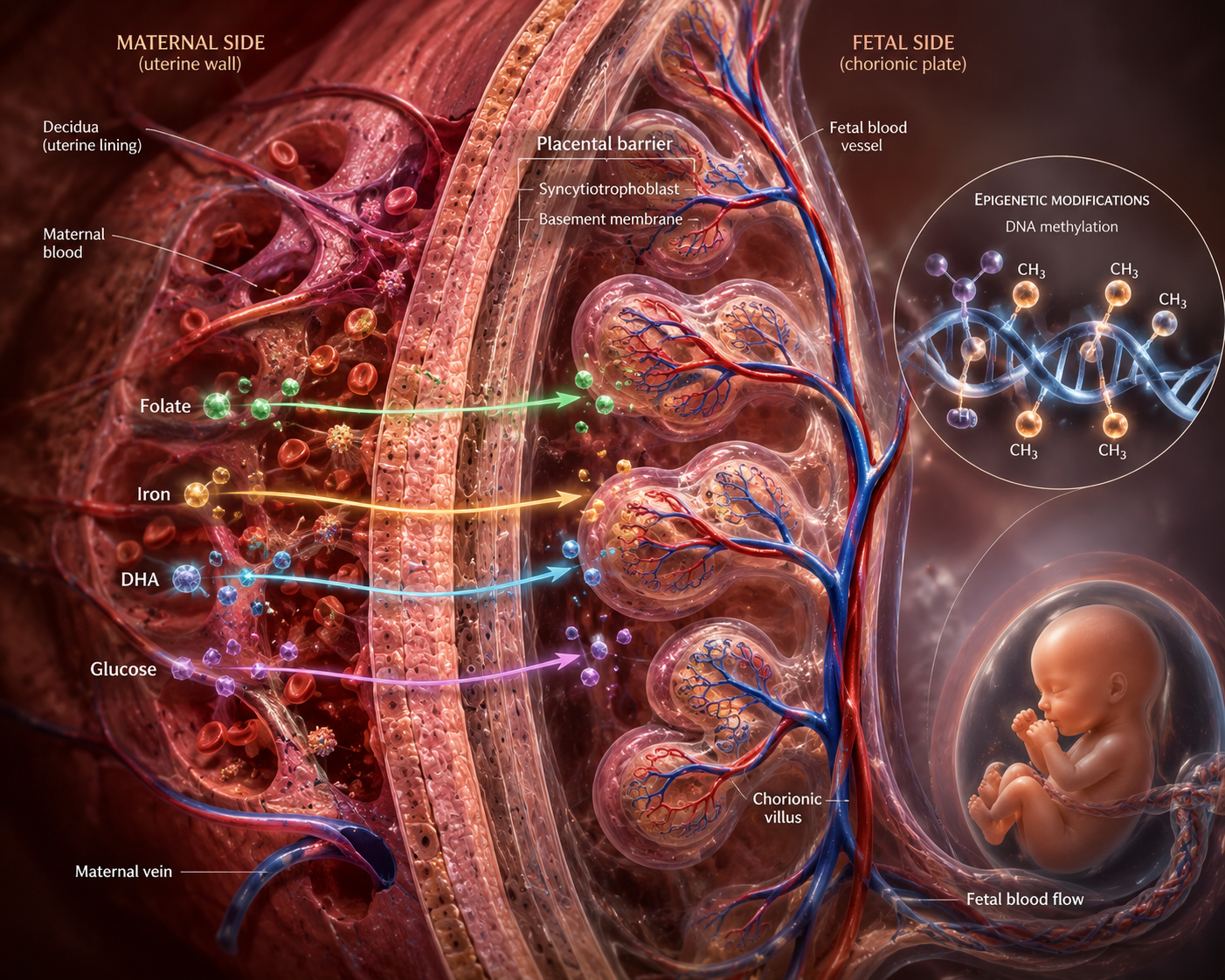
The child’s developing organs do not simply unfold according to a fixed genetic blueprint. Instead, maternal signals continuously calibrate the fetus’s physiology to match the external world it will soon enter. This process, known as developmental plasticity, is driven by epigenetic modifications—chemical tags like DNA methylation and histone acetylation that switch genes on or off without changing the DNA sequence. When a mother’s health is compromised, these adaptive changes can become maladaptive, programming a child for a lifetime of heightened disease risk.
Epigenetics and the Developmental Origins of Health and Disease (DOHaD)
The DOHaD paradigm, pioneered by epidemiologist David Barker, demonstrated that low birth weight—a marker of poor maternal nutrition—correlated strongly with adult-onset coronary heart disease, type 2 diabetes, and hypertension. Modern science has refined this understanding. We now know that it is not just undernutrition but also maternal overnutrition, chronic stress, and physical inactivity that provoke adverse epigenetic programming. For instance, a high-sugar maternal diet can alter the expression of the glucocorticoid receptor gene in the fetal hippocampus, dampening the child’s stress response system for life. Similarly, maternal vitamin D insufficiency modifies genes regulating lung development, increasing childhood asthma risk by up to 40%. These findings transform maternal health from a personal concern into a public health imperative.
Essential Steps for a Healthier Child: From Preconception to Postpartum
Building a resilient child begins well before the positive pregnancy test. Each stage requires specific, intentional actions supported by cutting-edge clinical research.
1. Optimize Nutritional Status Before Conception
Preconception is the most overlooked window. A mother’s nutrient stores at conception directly influence fetal organogenesis, which occurs during the first eight weeks—often before a woman knows she is pregnant. Three micronutrients demand immediate attention:
- Folate (as 5-MTHF): Aim for 400–800 mcg daily at least three months prior to conception to slash neural tube defect risk by up to 70%. The bioactive 5-MTHF form bypasses common MTHFR genetic variants that impair folic acid conversion.
- Iron: Maternal iron deficiency anemia starves the fetal brain of oxygen, leading to lasting cognitive deficits. Get ferritin levels checked and target a serum ferritin above 30 ng/mL through diet and heme iron supplementation if needed.
- Choline: This underappreciated nutrient is critical for hippocampal development and later memory function. Studies show 450 mg/day during pregnancy improves infant processing speed. Eggs, liver, and sunflower lecithin are rich sources, but supplementation with phosphatidylcholine or choline bitartrate ensures adequacy.
2. Master Prenatal Nutrition: Building Blocks for Brain and Body
Once pregnancy is confirmed, the quality of macronutrients and micronutrients becomes the substrate for every cell division. Adopt a “foundational five” approach, as outlined in the table below, to guarantee the daily nutrient targets that matter most for neurodevelopment and metabolic health.
| Nutrient | Daily Target (Pregnancy) | Key Role in Child’s Future Health | Top Food Sources |
|---|---|---|---|
| Omega-3 DHA | 200–300 mg | Retinal and cortical synaptogenesis; higher intake linked to a 5-point IQ advantage in childhood | Wild salmon, sardines, algae oil |
| Vitamin D3 | 2,000–4,000 IU | Modulates fetal immune tolerance; reduces risk of asthma and autoimmune diseases | Sunlight, cod liver oil, D3 supplements |
| Iodine | 220–250 mcg | Essential for thyroid hormone-driven myelination; deficiency lowers childhood verbal IQ by 6–10 points | Seaweed, iodized salt, yogurt |
| Protein | 1.2–1.5 g/kg body weight | Provides amino acids for fetal lean mass accretion and pancreatic beta cell development | Pastured eggs, Greek yogurt, lentils, collagen peptides |
| Magnesium | 350–400 mg | Cofactor in DNA methylation; adequate intake lowers risk of preterm birth and low birth weight | Pumpkin seeds, spinach, dark chocolate |
Pro Tip: Pair iron-rich foods with a source of vitamin C (e.g., squeeze of lemon on spinach) to enhance absorption, and separate calcium supplements from iron doses by at least two hours to prevent competitive inhibition.
3. Exercise Safely to Enhance Placental Function
Physical activity is a potent epigenetic modulator. Regular, moderate-intensity exercise during pregnancy increases placental blood vessel density and upregulates the production of brain-derived neurotrophic factor (BDNF), which supports the child’s neuronal survival and cognitive flexibility. A 2023 meta-analysis found that maternal exercise is associated with a 34% reduced risk of offspring obesity at age five. Aim for 150 minutes per week of combined aerobic and resistance training, avoiding supine positions after the first trimester and high-impact movements that strain the pelvic floor.
4. Manage Stress and Prioritize Mental Health
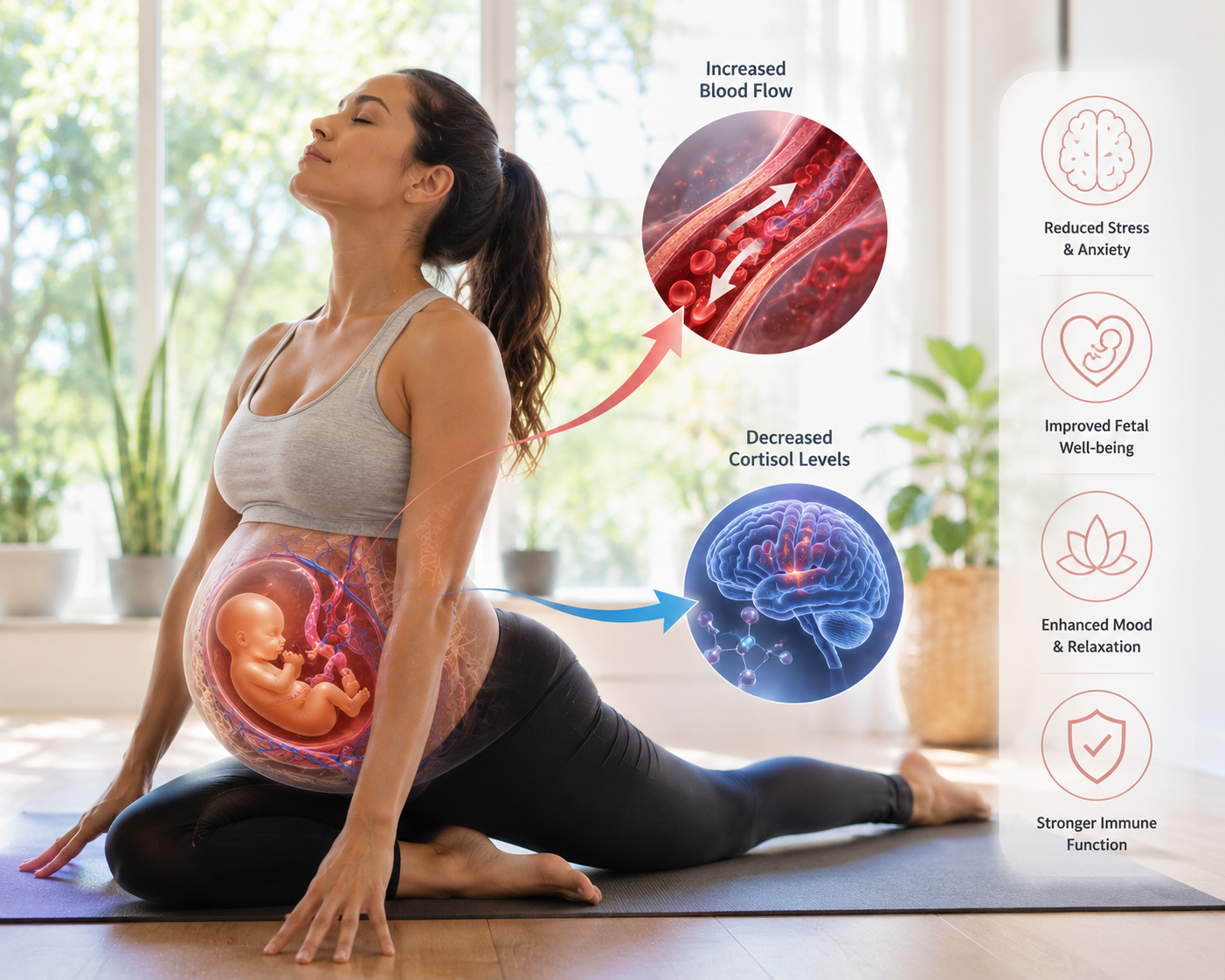
Maternal psychological stress is not merely a discomfort—it is a neuroendocrine signal that crosses the placenta. Elevated cortisol impairs fetal limbic system development and increases the density of glucocorticoid receptors in the amygdala, making the child more reactive to stress for years. A landmark study by the Avon Longitudinal Study of Parents and Children (ALSPAC) showed that children of mothers who experienced high antenatal anxiety had double the rate of behavioral problems at age four. Integrate daily stress-resilience practices: 10 minutes of mindfulness meditation, prenatal yoga, or vagal toning exercises such as humming and slow diaphragmatic breathing. The data are clear: a calm mother builds a calmer brain.
5. Avoid Environmental Toxins and Harmful Exposures
The developing fetus lacks a mature blood–brain barrier and detoxification enzyme system, making it exquisitely vulnerable to endocrine-disrupting chemicals. Bisphenol A (BPA), phthalates, and perfluoroalkyl substances (PFAS) mimic or block natural hormones, disrupting thyroid function and neurodevelopment.
Critical Warning: Completely eliminate alcohol (no safe amount exists), tobacco smoke, and recreational drugs. Switch to fragrance-free personal care products, glass or stainless steel food containers, and thoroughly wash all produce to reduce pesticide residues. Heavy metal accumulation can be mitigated by ensuring adequate selenium and zinc status, which compete with lead and cadmium for absorption.
6. Embrace Postpartum Recovery and Breastfeeding
The maternal influence does not end at birth. Exclusive breastfeeding for the first six months provides human milk oligosaccharides that seed the infant gut microbiome, producing short-chain fatty acids that stabilize the child’s immune system and lower the risk of allergies, asthma, and inflammatory bowel disease. Simultaneously, a mother’s own recovery—restoring iron stores, healing the pelvic floor through guided rehab, and maintaining omega-3 intake—allows her to sustain the energy and mood stability needed for responsive caregiving, which further shapes the child’s secure attachment and emotional regulation capacities.
Common Myths vs. Facts
- Myth: “You’re eating for two, so double your calories.”
Fact: Caloric needs increase only by about 300 kcal/day in the second and 450 kcal/day in the third trimester. Nutrient density, not volume, drives fetal programming. - Myth: “Lifting weights or doing core work will cause a miscarriage.”
Fact: In uncomplicated pregnancies, resistance training with appropriate modifications strengthens the pelvic floor, reduces gestational diabetes risk, and does not increase miscarriage rates. Always get clearance from a qualified prenatal fitness coach. - Myth: “If I was unhealthy before pregnancy, it’s too late to make a difference.”
Fact: The placenta is a dynamic organ. Switching to a nutrient-dense diet and stress management in the second trimester still benefits fetal organ maturation and reduces later disease risk, though early optimization is ideal.
Frequently Asked Questions
Can my stress during pregnancy really affect my baby’s brain?
Yes. Maternal cortisol crosses the placenta and directly influences the development of the amygdala, hippocampus, and prefrontal cortex. High prenatal stress is linked to increased offspring anxiety, shorter attention spans, and altered cortisol reactivity. However, consistent mindfulness practice and social support significantly buffer these effects.
What is the single most impactful supplement I should take?
While a high-quality prenatal multi is essential, the most impactful single addition is omega-3 DHA. It is the primary structural fat in the fetal brain and retina, and most women do not consume enough. A target of 200–300 mg DHA daily from an algae or fish oil source with third-party purity testing is strongly recommended.
How does maternal obesity impact child obesity risk?
Maternal obesity alters the fetal hypothalamic circuitry that regulates appetite, insulin sensitivity, and energy expenditure through epigenetic changes. Children of obese mothers have a 2–3-fold higher risk of becoming obese themselves. Weight stabilization through targeted nutrition and exercise before conception is the most effective strategy to break this cycle.
When should I start preparing my body for pregnancy?
Ideally, at least three to six months before attempting to conceive. This allows egg quality to improve (oogenesis is a lengthy process), nutrient stores to reach optimal levels, and epigenetic patterns to stabilize. Preconception care is as vital as prenatal care.
Does maternal exercise improve the child’s heart health long-term?
Yes. Research from the Kansas University Medical Center found that infants of mothers who exercised during pregnancy had significantly lower resting heart rates and higher heart rate variability at one month of age, indicating more mature cardiac autonomic control that tracks into childhood.
Conclusion: Your Health, Their Future
The evidence is undeniable: maternal health is the true starting point of child health. Every meal, every workout, every deep breath a mother takes is a direct investment in her child’s metabolic flexibility, cognitive sharpness, and emotional resilience. This is not about perfection—it is about purposeful, science-backed steps taken consistently. Whether you are planning a pregnancy, currently expecting, or navigating the postpartum period, you hold the extraordinary power to shape a healthier generation. Consult our team of prenatal fitness coaches and sports nutrition experts for a personalized protocol, and download our free “First 1,000 Days Nutrition Blueprint” to begin optimizing your child’s future today.
Medical & Health Disclaimer
The information provided in this article is for educational and informational purposes only and is not intended as a substitute for professional medical advice, diagnosis, or treatment. Always seek the advice of your physician, obstetrician, or other qualified health provider with any questions you may have regarding a medical condition, pregnancy, or supplement regimen. Never disregard professional medical advice or delay in seeking it because of something you have read here.
Scientific References
- Barker DJP, Osmond C, Golding J, Kuh D, Wadsworth MEJ. Growth in utero, blood pressure in childhood and adult life, and mortality from cardiovascular disease. BMJ. 1989;298(6673):564-567.
- Gluckman PD, Hanson MA, Cooper C, Thornburg KL. Effect of in utero and early-life conditions on adult health and disease. N Engl J Med. 2008;359(1):61-73.
- O’Connor TG, Heron J, Golding J, Beveridge M, Glover V. Maternal antenatal anxiety and children’s behavioural/emotional problems at 4 years: report from the Avon Longitudinal Study of Parents and Children. Br J Psychiatry. 2002;180:502-508.
- Jacka FN, Ystrom E, Brantsaeter AL, et al. Maternal and early postnatal nutrition and mental health of offspring by age 5 years: a prospective cohort study. J Am Acad Child Adolesc Psychiatry. 2013;52(10):1038-1047.
- Borge TC, Aase H, Brantsaeter AL, Biele G. The importance of maternal diet quality during pregnancy on cognitive and behavioural outcomes in children: a systematic review and meta-analysis. BMJ Open. 2017;7(9):e016777.
- Moyer C, Reoyo OR, May L. The influence of prenatal exercise on offspring health: a review. Sports Med. 2023;53(3):533-549.
- Christian LM, Blair LM, Porter K, et al. Polyunsaturated fatty acid intake and maternal mental health: Influences on infant development. Brain Behav Immun. 2020;87:804-811.
Share