Can Pregnant Women Do Strength Training? Safe, Science-Backed Guide to Lifting While Expecting
By Artemis_strength•9 min read
Can Pregnant Women Do Strength Training? A Complete Evidence-Based Guide
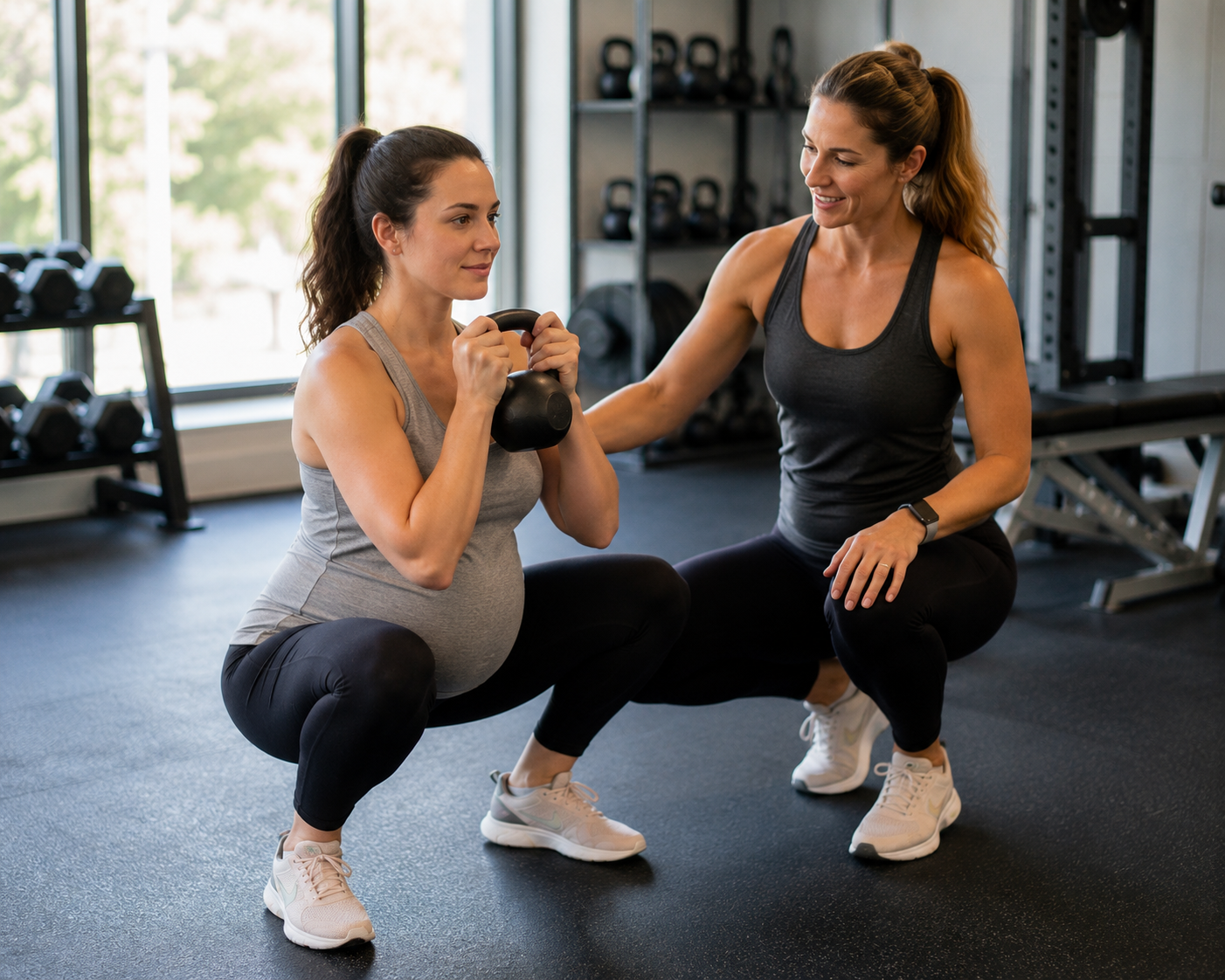
For decades, pregnant women were told to keep their heart rate under 140 beats per minute and avoid lifting anything heavier than a purse. Today, the evidence tells a dramatically different story. Strength training during pregnancy is not only safe for most healthy women but is actively recommended by leading obstetrics organizations. It builds the physical resilience needed for pregnancy, childbirth, and postpartum recovery. Whether you are a seasoned lifter or a complete beginner cleared for exercise, this comprehensive, science-backed guide will walk you through exactly how to lift safely, trimester by trimester, and why the old myths no longer hold up.
The Science-Backed Benefits of Strength Training While Pregnant
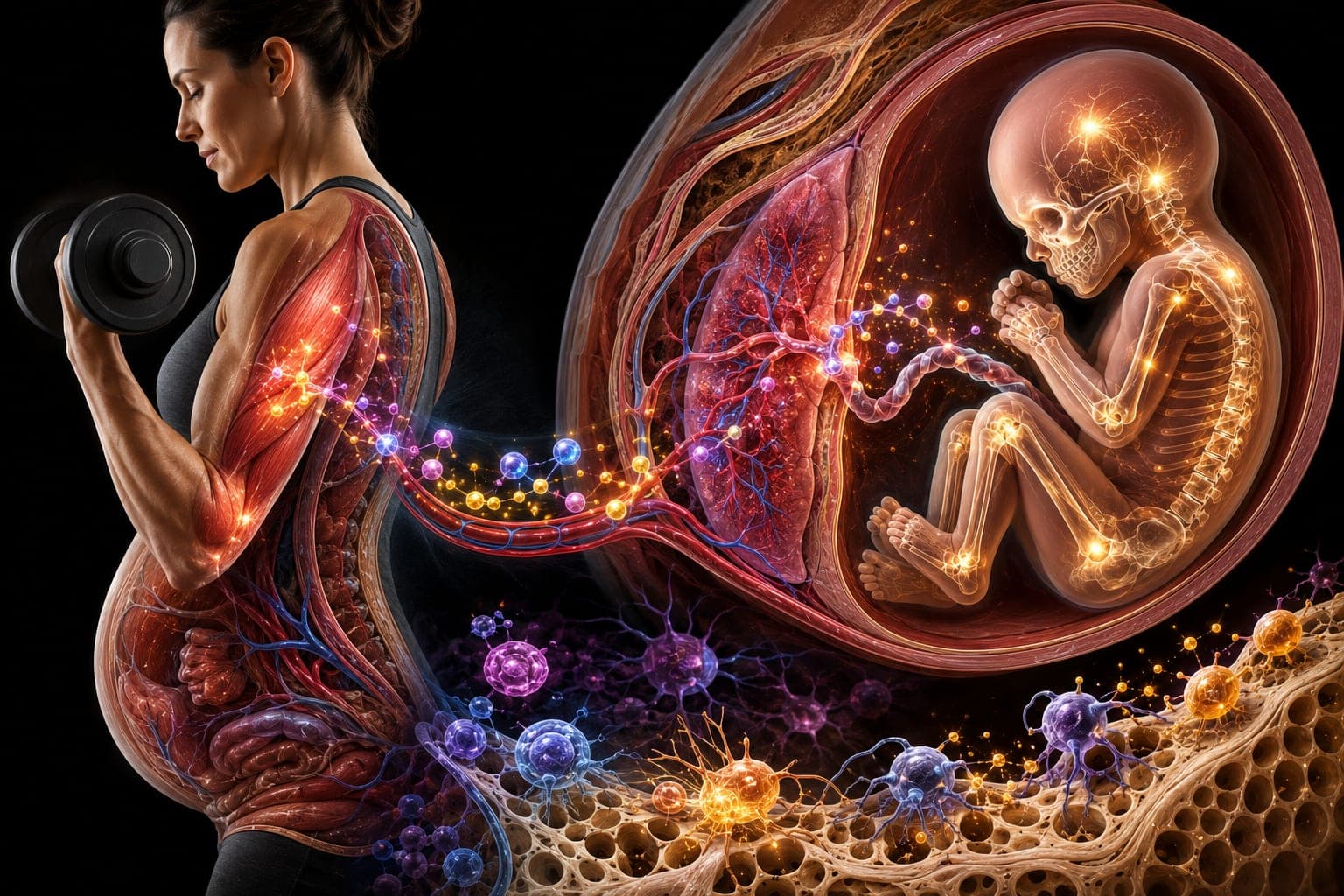
Research consistently demonstrates that appropriately dosed resistance exercise offers profound advantages that go far beyond maintaining muscle tone. A 2020 Committee Opinion from the American College of Obstetricians and Gynecologists (ACOG) confirms that regular exercise, including strength training, reduces the risk of gestational diabetes, preeclampsia, and excessive gestational weight gain. Additional benefits include:
- Reduction in low back and pelvic girdle pain – targeted strengthening of the posterior chain and gluteals supports the shifting center of gravity.
- Improved psychological well-being – resistance training is linked to lower rates of prenatal depression and anxiety.
- Enhanced labor and delivery outcomes – women who maintain muscular strength often experience shorter active labor and fewer interventions, according to a randomized trial by Barakat et al.
- Faster postpartum recovery – preserving lean mass makes it easier to regain pre-pregnancy function and meet the physical demands of caring for a newborn.
Key Insight: A 2009 landmark study in American Journal of Obstetrics & Gynecology found that light-to-moderate resistance training throughout pregnancy did not negatively affect birth weight and may improve neonatal outcomes, firmly challenging the outdated "rest is best" dogma.
Understanding Your Changing Body: Hormones, Joints, and Center of Gravity
Pregnancy rewrites the rules of biomechanics. The hormone relaxin increases ligamentous laxity, making joints—especially the sacroiliac joint and pubic symphysis—more vulnerable to strain. Meanwhile, the growing uterus shifts your center of gravity forward, increasing lumbar lordosis and loading the spine in new ways. Blood volume rises by approximately 50%, altering heart rate response and tolerance to positional changes. These physiological realities do not make strength training dangerous; they simply demand smarter programming.
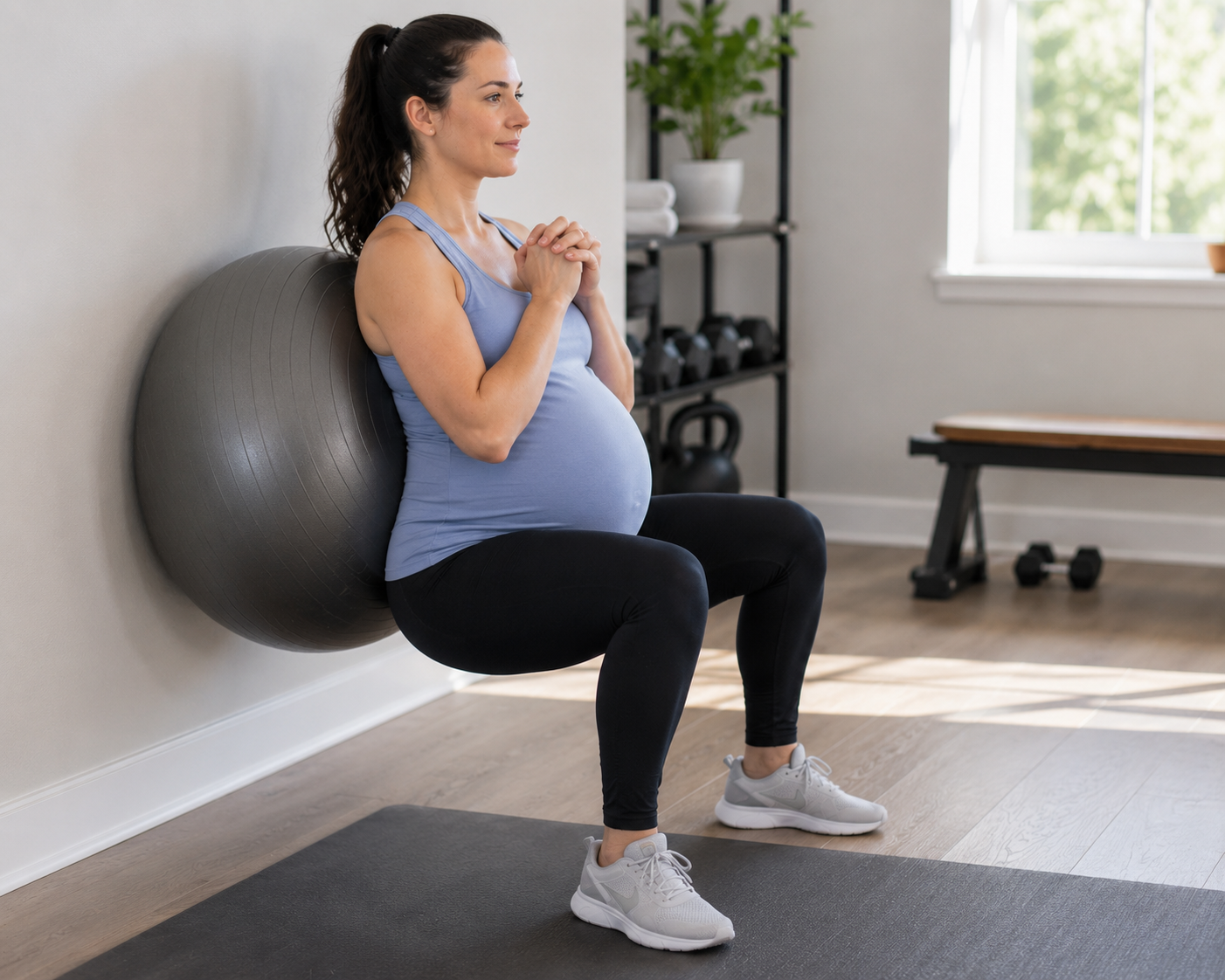
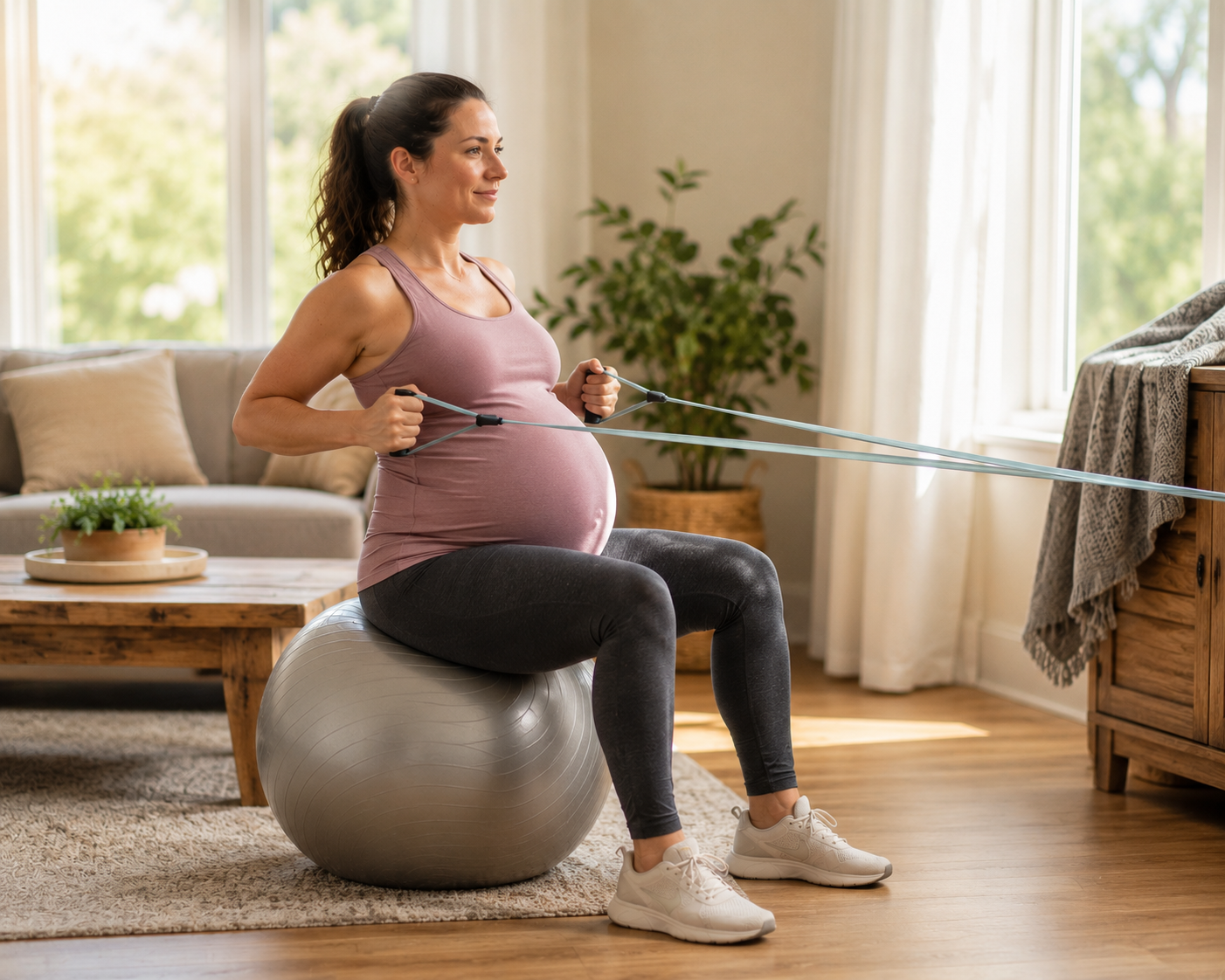
Respecting joint laxity means opting for controlled tempos (3-1-3 counts), avoiding ballistic movements, and incorporating stability props like a wall or Swiss ball when needed. The goal is not to push maximal loads but to preserve movement integrity and tissue resilience.
Safety First: Clearance, Red Flags, and Professional Guidance
Absolute Contraindications to Exercise During Pregnancy (per ACOG): Hemodynamically significant heart disease, restrictive lung disease, incompetent cervix or cerclage, multiple gestation at risk for preterm labor, persistent second- or third-trimester bleeding, placenta previa after 26 weeks, premature labor during the current pregnancy, ruptured membranes, severe anemia, or severe preeclampsia. Always obtain written clearance from your obstetrician or midwife before beginning any new exercise program.
Even with a low-risk pregnancy, you must stop immediately and contact your provider if you experience vaginal bleeding, regular painful contractions, amniotic fluid leakage, dyspnea before exertion, dizziness, headache, chest pain, calf pain or swelling, or muscle weakness affecting balance. Listening to your body's cues is non-negotiable—this is the ultimate safety net.
Trimester-Specific Modifications for Safe Strength Training
| Trimester | Key Physiological Changes | Recommended Exercise Strategies | Exercises to Modify or Avoid |
|---|---|---|---|
| First (weeks 1–12) | Fatigue, nausea, ligament changes begin; blood volume starts expanding. | Maintain pre-pregnancy routine if tolerated; focus on foundational movements (squats, rows, hip hinges); use RPE 5–7 scale. | Heavy Valsalva maneuvers; extreme overheating; high-impact plyometrics if pelvic floor symptoms present. |
| Second (weeks 13–26) | Visible bump emerges; center of gravity shifts; greater joint laxity; blood pressure often lowest. | Widen stance in squats; introduce incline or side-lying positions; incorporate seated row and supported glute bridge variations; limit supine floor work to brief intervals. | Full supine exercises beyond 2–3 minutes after week 20; unsupported overhead lifts that strain the lower back; maximal unilateral loading that torques pelvis. |
| Third (weeks 27–40+) | Significant weight of uterus; diaphragm elevated; possible pelvic girdle discomfort; increased risk of dizziness from positional changes. | Prioritize upright and seated positions; use wall-supported squats, resistance band clamshells, light dumbbell rows, and gentle core activation (seated pelvic tilts); reduce load by 30–50% of pre-pregnancy working weight. | Any exercise causing coning or doming of the abdominal midline; traditional crunches and full planks; deep hip adductor stretches that overstress the pubic symphysis; exercises in hot, humid environments. |
Myths vs. Facts: Debunking Common Fears
“Lifting weights will cause a miscarriage or harm the baby.”
Fact: There is no credible evidence linking appropriately prescribed strength training to miscarriage, preterm birth, or fetal distress in uncomplicated pregnancies. Early miscarriages are overwhelmingly due to chromosomal anomalies, not maternal physical activity. ACOG emphasizes that continuing resistance exercise does not increase adverse neonatal outcomes.
“You must keep your heart rate under 140 beats per minute.”
Fact: This rule is obsolete. Modern guidelines use the Rating of Perceived Exertion (RPE) and the “talk test” as superior, individualized measures. On a 1–10 scale, most pregnant women should work at an RPE of 5–7, where they can comfortably hold a conversation but cannot sing. Heart rate variability during pregnancy is too broad for a one-size-fits-all number.
“Strength training will make my pelvic floor too tight or damage it.”
Fact: When paired with proper breathing and pelvic floor awareness, resistance training can actually improve pelvic floor function. The key is avoiding excessive intra-abdominal pressure through breath-holding and preventing downward bearing during lifts. A pelvic health physiotherapist can provide individualized guidance on coordinating deep core engagement with movement.
Pro Tip: Practice diaphragmatic inhalation with pelvic floor relaxation and gentle core activation on the exhale. This “blow before you go” technique—exhaling during the effort phase—helps maintain safe intra-abdominal pressure and protects the pelvic structures.
Your Prenatal Strength Training Blueprint: Practical Guidelines
Based on the latest clinical recommendations, here is a starting framework. Adapt it to your energy levels and always prioritize form over load.
- Frequency: 2–3 non-consecutive days per week, combined with cardiovascular activity for a total of 150 minutes of moderate-intensity exercise weekly.
- Intensity: RPE 5–7. You should feel challenged but never breathless or dizzy.
- Volume: 2–3 sets of 8–15 controlled repetitions. Rest 60–90 seconds between sets.
- Essential Movement Patterns: Goblet squat (or bodyweight box squat), single-arm dumbbell row, glute bridge (or supported hip thrust), resistance band pull-apart, seated dumbbell shoulder press, and side-lying leg lift.
- Core Work: Seated pelvic tilts, side-lying thoracic rotations, and gentle transverse abdominis drawing-in exercises. Avoid any movement that causes visible coning along the midline of the abdomen.
- Avoid: Prone positions after the first trimester, supine exercise after brief periods beyond 20 weeks, loaded deep twisting movements, and any exercise that causes pain, leaking, or a feeling of pelvic heaviness.
Frequently Asked Questions
Can I start strength training during pregnancy if I was completely sedentary before?
Yes, but start with very gentle bodyweight and resistance band exercises under professional supervision. After obtaining medical clearance, begin with 15–20 minute sessions, twice a week. Focus on movement confidence before adding any external load. Research shows that previously inactive women can safely derive significant health benefits from initiating light-to-moderate resistance training during pregnancy.
What about abdominal exercises—are planks safe?
After the first trimester, standard planks and crunches can place excessive strain on the linea alba, increasing the risk of diastasis recti. Replace them with seated core activations, side-lying pallof presses with a light band, or standing cable anti-rotation movements that maintain abdominal engagement without increasing intra-abdominal pressure. Monitor for any doming; if it appears, regress the exercise immediately.
Is it safe to lift weights above my head?
Overhead lifts like a dumbbell shoulder press are generally safe, especially when performed seated with back support. However, avoid heavy overhead loading in the third trimester because it can exacerbate lumbar extension and strain the already stressed sacroiliac joints. Use lighter weights and higher repetitions, and keep the rib cage stacked over the pelvis.
When should I stop strength training altogether?
There is no mandatory stop date for low-risk pregnancies. Many women continue training right up to their due date with appropriate modifications. The decision to stop should be guided by your body signals and your healthcare provider. Red flags—such as persistent contractions, bleeding, or reduced fetal movement—always warrant immediate cessation and medical review.
Conclusion: Empower Your Pregnancy Through Safe, Informed Strength
Strength training during pregnancy is not about chasing personal records; it is about preserving the muscular armor that supports your changing body, your growing baby, and your postpartum recovery. By staying informed, modifying wisely, and listening to your body, you can lift with confidence and experience a stronger, more resilient pregnancy. If you have more questions about specific exercises or need reassurance, speak with a prenatal exercise specialist and your maternity care team. Your journey to motherhood can be powerful, safe, and unapologetically strong.
If this guide helped you feel more confident, share it with another expectant mother navigating fitness myths. Drop your questions in the comments—I read every one and respond with evidence-based, empathetic advice.
Disclaimer: This article is for educational and informational purposes only and does not constitute medical advice. Every pregnancy is unique. Before starting or continuing any strength training program, you must obtain explicit clearance from your obstetrician, midwife, or licensed healthcare provider. If you experience any pain, bleeding, dizziness, or unusual symptoms, stop exercising immediately and seek medical attention.
References
- American College of Obstetricians and Gynecologists. Committee Opinion No. 804: Physical Activity and Exercise During Pregnancy and the Postpartum Period. Obstet Gynecol. 2020;135(4):e178-e188.
- Barakat R, Ruiz JR, Stirling JR, Zakynthinaki M, Lucia A. Resistance exercise training during pregnancy and newborn's birth weight: a randomised controlled trial. Am J Obstet Gynecol. 2009;200(2):117.e1-117.e7.
- Davenport MH, Ruchat SM, Poitras VJ, et al. Prenatal exercise for the prevention of gestational diabetes mellitus and hypertensive disorders of pregnancy: a systematic review and meta-analysis. Br J Sports Med. 2018;52(21):1367-1375.
- Mottola MF, Davenport MH, Ruchat SM, et al. 2019 Canadian guideline for physical activity throughout pregnancy. Br J Sports Med. 2018;52(21):1339-1346.
- White E, Pivarnik JM, Pfeiffer K. Resistance training during pregnancy and perinatal outcomes. J Phys Act Health. 2014;11(6):1141-1148.
- Petrov Fieril K, Glantz A, Fagevik Olsen M. The efficacy of moderate-to-vigorous resistance exercise during pregnancy: a randomized controlled trial. Acta Obstet Gynecol Scand. 2015;94(1):35-42.
Share